

 Current Families


 Inquire
 Visit
Visit Give
Give









- Our School
- Our Advantage
- Admission
- Elementary•Middle School
- High School
- Summer
- Giving
- Parent Resources
- For Educators
- Alumni







Landmark 360 Blog
Practical, informative resources, tips, tools, and strategies for parents of children with learning disabilities written by experts in the fields of Learning, Learning Disabilities, Social & Emotional Topics, College Prep, and Teaching.
Now viewing articles in the category Teaching.
AI Can Help Reading Instruction
March 6th, 2024

AI can finally give students with dyslexia and other learning differences the personalized lessons needed to help them work with — instead of work around — their disability. Used strategically, AI can help teachers design for students’ many different learning styles.
Posted in: TeachingJust Effective Teaching
December 15th, 2023
This article refreshed from a 2013 version. Although it was a long time ago, I can still remember the feeling I had entering my first public school teaching job. I was hired to teach four sections of 9th grade Civics classes and one section of an 11th grade honors US history class. Mainstream ...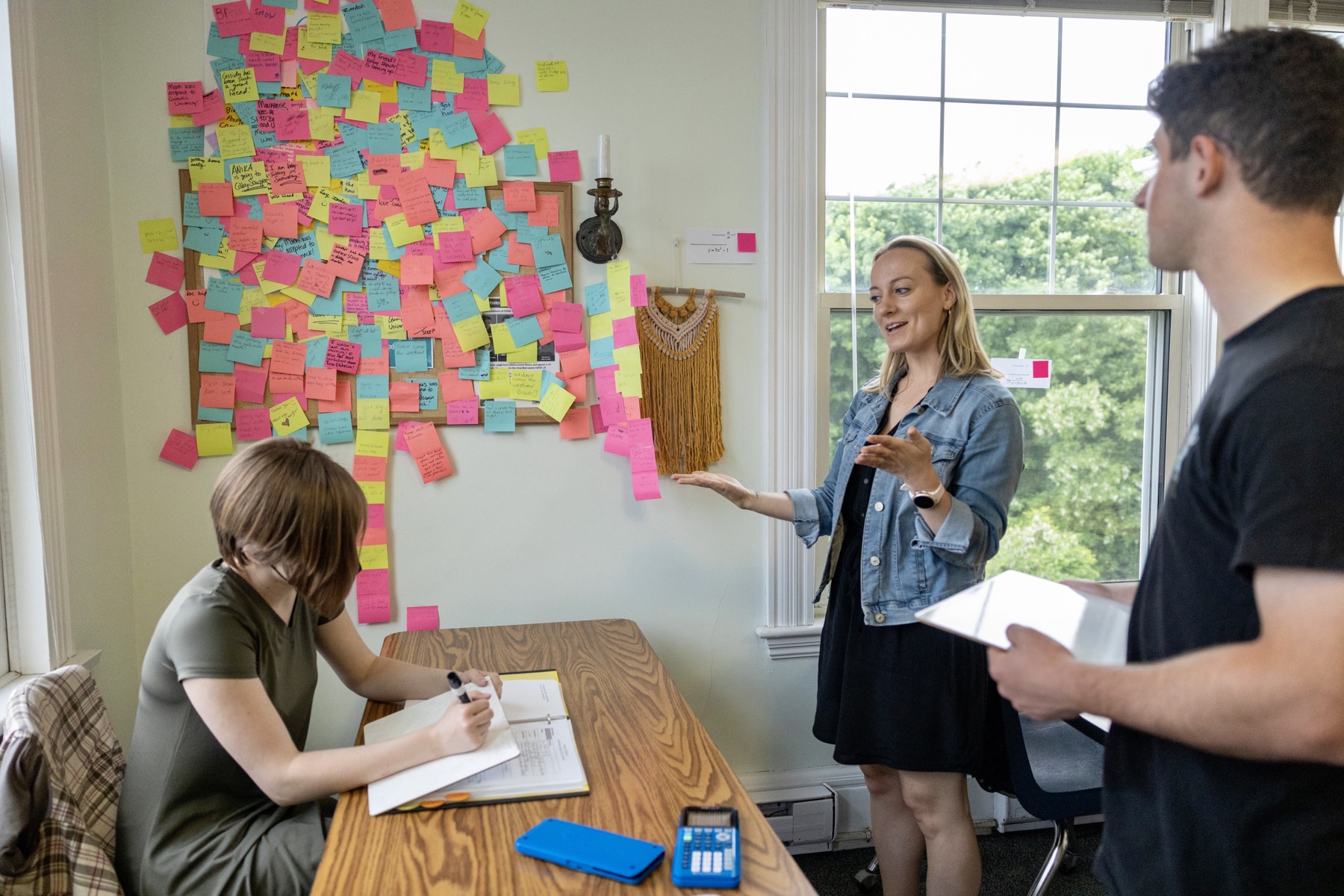 Posted in: Teaching
Landmark’s Founding Principles: Part Three
March 15th, 2023

Learn about Landmark School's founding principles in Part Three of this series by Bob Broudo.
Posted in: TeachingLandmark's Founding Principles: Part Two
December 13th, 2022

Learn about Landmark School's founding principles and the birth of the Outreach program.
Posted in: TeachingLandmark's Founding Principles: Part One
November 8th, 2022
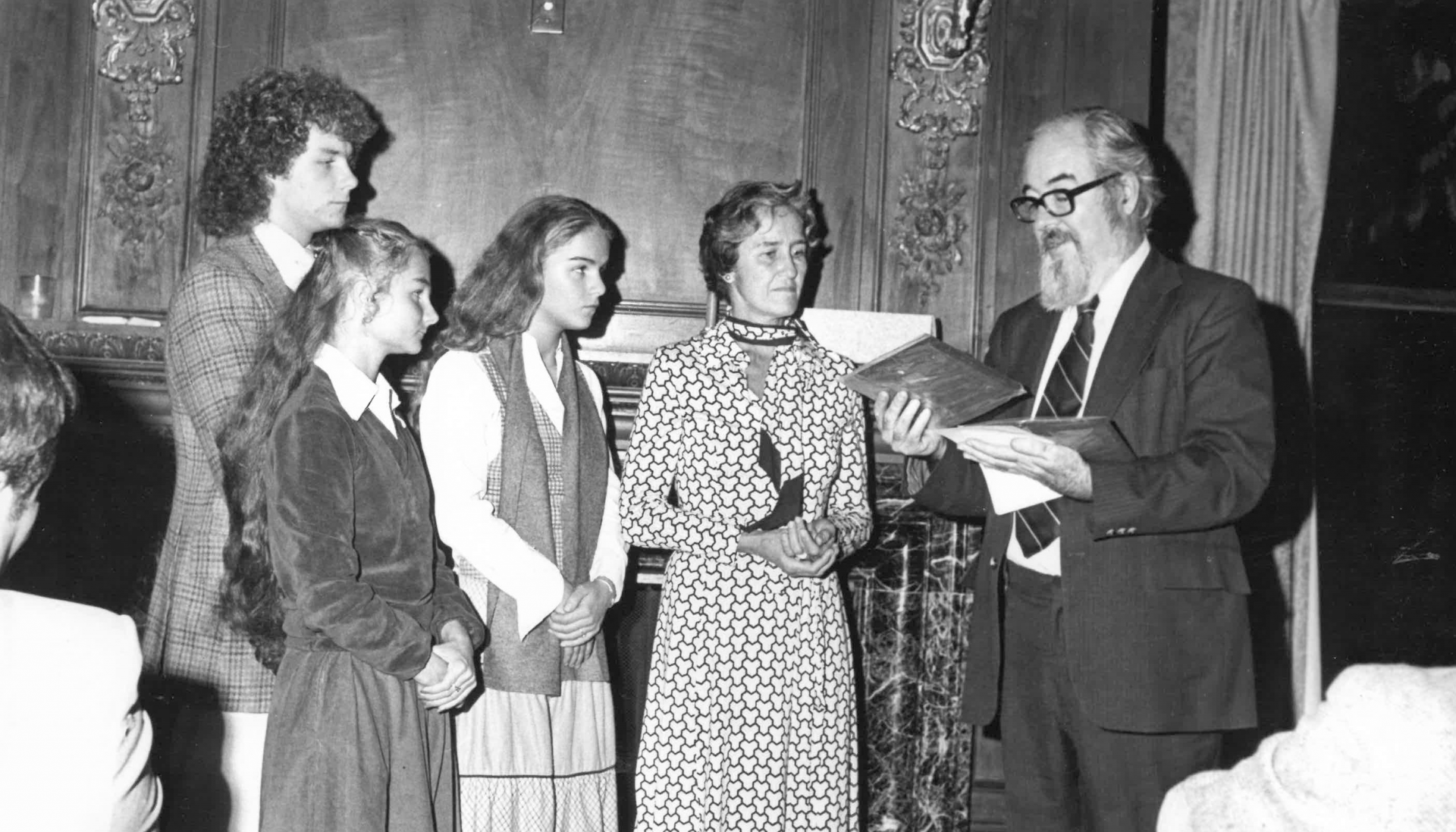
Learn about Landmark School's founding principles.
Posted in: TeachingTeaching Reading
October 31st, 2022
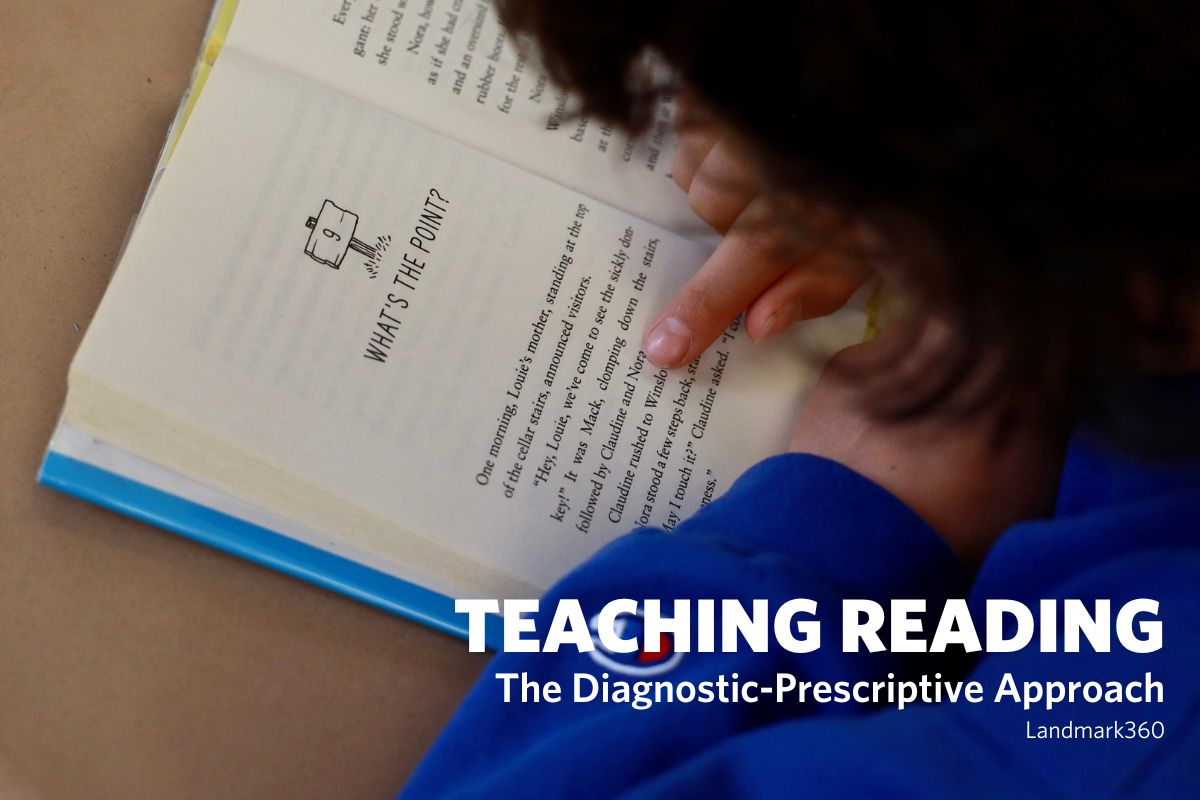
The Diagnostic-Prescriptive Approach. Reading is a complex neurological process—a highly-valuable cultural invention that must be deliberately and systematically taught to each generation.
Posted in: TeachingSix Teaching Principles: #6 Include Students in the Learning Process
May 29th, 2021
DEFINITIONStudents are not passive receptacles to fill with information. They come to class with their own frames of reference.Their unique experiences and knowledge affect them as learners and should be taken into account. Therefore, during every exercise, teachers should accept student input as mu...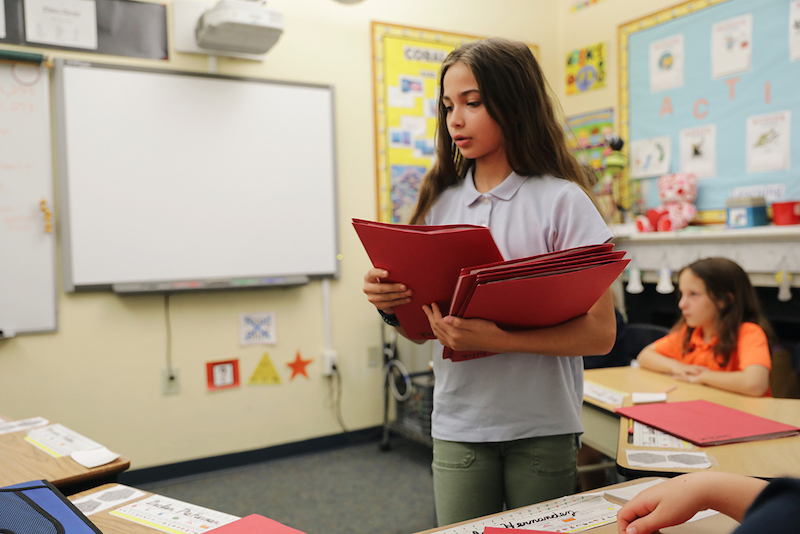 Posted in: Teaching
Six Teaching Principles: #5 Provide Models
May 28th, 2021
DefinitionProviding models is simple, yet very important. It is one of the most effective teaching techniques.Models are concrete examples of what teachers expect. They do not mean that teachers are doing assignments for students. They are standards to which students can compare their own work. A mo...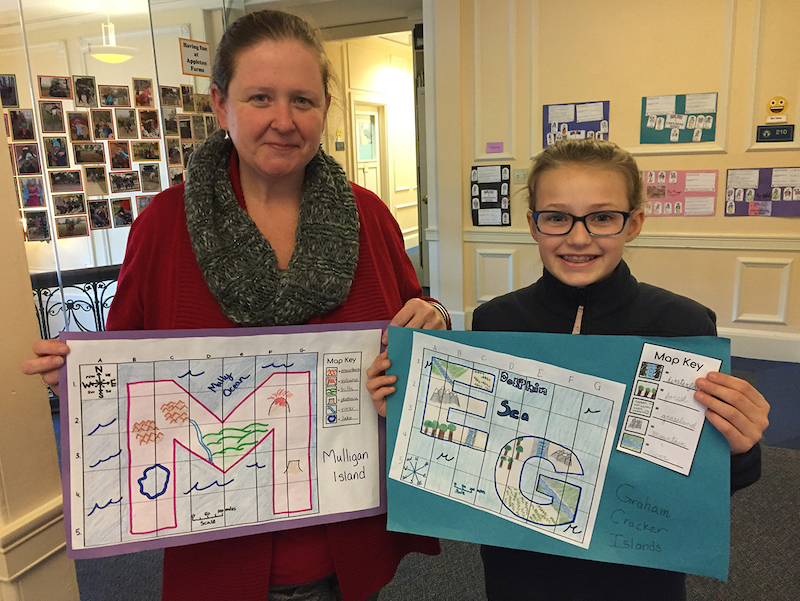 Posted in: Teaching
Six Teaching Principles: #4 Ensure Automatization Through Practice and Review
May 27th, 2021
DefinitionAutomatization is the process of learning and assimilating a task or skill so completely that it can be consistently completed with little or no conscious attention.Repetition and review (spiraling) are critical. Sometimes students appear to understand a concept, only to forget it a day, ...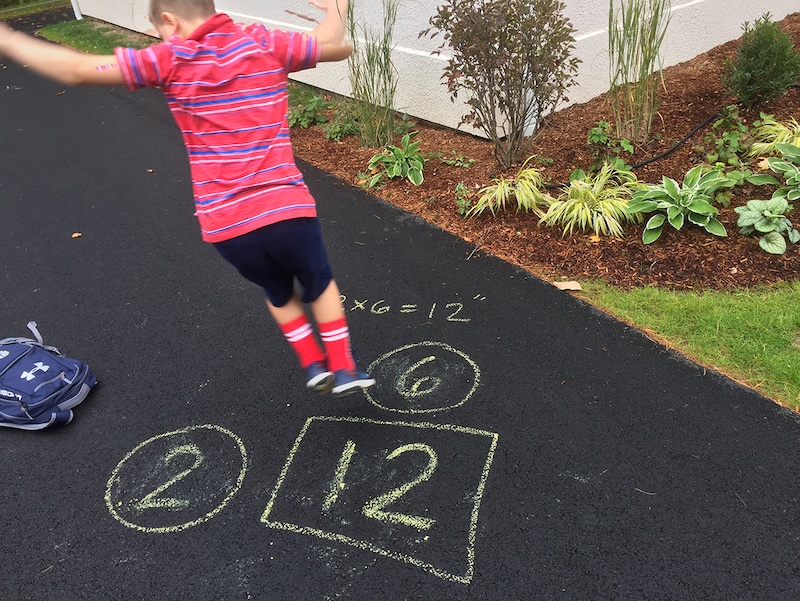 Posted in: Teaching
Six Teaching Principles: #3 Micro-Unit and Structure Tasks
May 26th, 2021
DefinitionEffective teaching involves breaking information down into its smallest units and providing clear guidelines for all assignments.This is especially important for students with learning disabilities. Micro-uniting and structuring are elements of directive teaching, which Landmark consistent...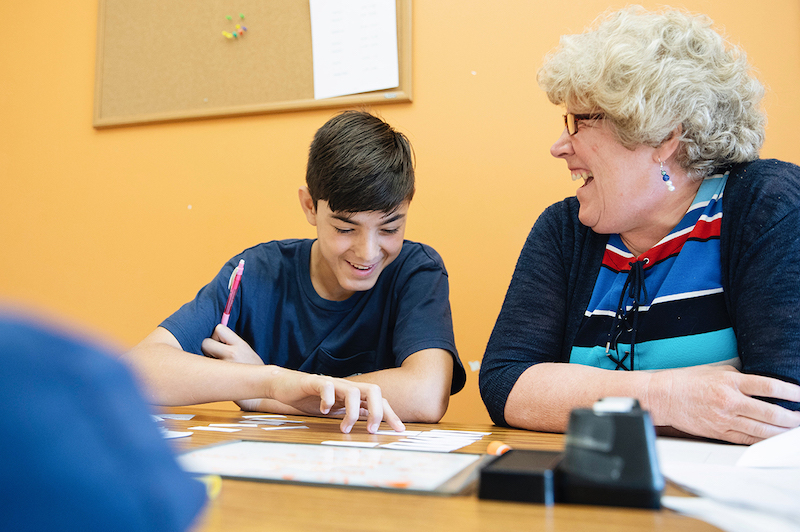 Posted in: Teaching
Six Teaching Principles: #2 Use Multisensory Approaches
May 25th, 2021
DefinitionMultisensory teaching is effective for all students. In general, it means presenting all information to students via three sensory modalities: visual, auditory, and tactile.Visual presentation techniques include graphic organizers for structuring writing and pictures for reinforcing instru... Posted in: Teaching
Six Teaching Principles: #1 Provide Opportunities for Success
May 24th, 2021
DefinitionProviding students with opportunities for success is key. Failure and poor self-esteem often result when teachers challenge students beyond their ability.Landmark begins teaching students at their current level of ability. This approach improves basic skills and enhances confidence. As Lan... Posted in: Teaching
Landmark's Six Teaching Principles
May 23rd, 2021
By Rob KahnMany professional visitors to Landmark wrap up their visits by observing: “It’s really remarkable to see the same materials and methods used by teachers in many different classes.” That’s no accident. Visualize Landmark as an inverted pyramid. The pyramid’s wide base is 475 stud... Posted in: Teaching
The Whole Language vs Phonics Controversy Rages On
June 4th, 2019
By Donna J. Sullivan, M.A.What a surprise it was to learn that controversy regarding the teaching of beginning reading is still alive and well! Specifically, I recently learned that what is known as the whole language philosophy is still alive and breathing, despite the large body of highly scie... Posted in: Teaching
Synthetic Phonics Accelerates Reading and Writing in Young Students
September 26th, 2018
By Jennie Smith-Brock, M.S. It’s day eight of kindergarten in a public school in New England and the students are putting out their arms like the wings of airplanes " /nnnnnnnnn/," whisking ants off their arms " /aaaaa/," and puffing out candles (their fingers) "/p/." “Nap!,” call out s... Posted in: Teaching
Executive Function 101: Balance
May 1st, 2018
This is the fifth post in a five-part series about Executive Function. Each post includes downloadable templates to use at home and in the classroom. The first article is about managing time, the second addresses managing materials, the third discusses managing information, and the fourth achieving ... Posted in: Teaching
Executive Function 101: Independence
April 22nd, 2018
This is the fourth post in a five-part series about Executive Function. Each post includes downloadable templates to use at home and in the classroom. The first article is about managing time. The second addresses managing materials, the third addresses managing information, and the fifth finding ba... Posted in: Teaching
Executive Function 101: Information
April 10th, 2018
This is the third post in a five-part series about Executive Function. Each post includes downloadable templates to use at home and in the classroom. The first article is about managing time. The second addresses managing materials, the fourth achieving independence, and the fifth finding balance b... Posted in: Teaching
Executive Function 101: Materials
April 3rd, 2018
This is the second post in a five-part series about Executive Function. Each post includes downloadable templates to use at home and in the classroom. The first article is about managing time, the third addresses managing information, the fourth achieving independence, and the fifth finding balance... Posted in: Teaching
Executive Function 101: Time
March 27th, 2018
This is the first post in a five-part series about Executive Function. Each post includes downloadable templates to use at home and in the classroom. The second article is about managing materials. The third addresses managing information, the fourth achieving independence, and the fifth finding bal... Posted in: Teaching
Executive Function 101
February 25th, 2018
Executive function deficits are very common among young people, especially those with ADHD, dyslexia, and other learning differences. These challenges show up as weaknesses in getting and staying organized, managing time, planning and prioritizing, and initiating tasks.Sound familiar?It should becau... Posted in: Teaching