

 Current Families

 Inquire
 Visit
Visit Give
Give



- Our School
- Our Advantage
- Admission
- Elementary•Middle School
- High School
- Summer
- Giving
- Parent Resources
- For Educators
- Alumni

“Timing Matters”: Landmark School at the intersection of research, instruction, and reflection.
February 11th, 2026


Landmark School has long relied on research studies to inform our approach to educating students with language-based learning disabilities. Now, we've conducted a study in our own community with the goal of better understanding reading trajectories for Landmark students. We leveraged 10 years of school-based data and collaborated with Dr. Joanna Christodoulou's Lab (called Brain, Education, and Mind, or BEAM, Lab) at the MGH Institute of Health Professions to offer new insights directly about Landmark students that may also be informative more broadly for specialized schools and students with reading challenges in different settings.
In the fall of 2025, Landmark School's collaborative project with the BEAM Lab was published. The research uniquely highlights contexts related to 'when,' or which windows of time we use to look at reading progress, specifically in students with reading difficulties. Prior research has mostly focused on reading development in the general population, while this work uniquely emphasizes trajectories and intervention impacts over time for students with reading disabilities. The publication addresses how reading skills change over time for students with reading challenges. Next, the authors discuss what we know about reading progress after interventions end, including the extent to which gains 'fade-out.' Third, the article discusses how reading progress is impacted by extended pauses in formal schooling, such as during the summer vacation or the pandemic shutdown.
The unique contribution from Landmark School was a self-study of reading progress among our students. The authors examined the learning trajectories of students at Landmark School, thinking about how evidence-based, intensive, and child-centered support can narrow achievement gaps. The data from Landmark School showed impressive growth over elementary school through high school years, with matched or faster growth among Landmark students compared to a prototypically average norm sample.
Let’s dig into highlights from the article:
Timing and Duration
The timing and duration of educational experiences is a critical lens for interpreting reading progress. It determines when skills are acquired, practiced, and retained versus when they may decline due to interrupted instruction. For students with reading disabilities, understanding these time-based frameworks is essential for distinguishing between expected and unexpected shifts in students' performance.
Learning Trajectories
Learning trajectories provide a foundation for understanding whether a student’s progress aligns with expectations for their specific learning profile.
The trajectories revealed robust reading progress for students at Landmark School, which specializes in serving students with language-based learning disabilities. Notably, the data showed that Landmark School achieved growth in both real-word and pseudo-word reading that matched or exceeded rates of prototypically average norm sample students.
Effects of Disruptions
Summer breaks are a significant factor to consider for reading progress. The research suggests that accumulated summer lag—the regression or slowing of growth during the 8-12 weeks of summer—appears to drive a major portion of the achievement gap for students receiving special education services. But this can also inform how we design summer reading opportunities for students.
The COVID-19 pandemic had a disproportionately negative impact on students with reading disabilities compared to readers without learning challenges.
Best Timing Is Now
Grade-level timing and growth are generally non-linear, meaning that word reading scores increase more during elementary school than high school. It is never too late to improve reading skills—the best time to intervene is early elementary school, and the next best time is now.
Retention
While many intervention effects tend to "fade out" over time, readers identified as at-risk or disabled actually show greater retention of intervention gains compared to their typical-reading peers. This difference in retention and long-term progress can be influenced by several factors within the student’s “intervention ecosystem,” including the timing of support, the nature of the instruction, and the consistency of reinforcement.
Long-term Outcomes
For students with dyslexia, the specific pattern of reading growth from first to fifth grade is a stronger predictor of adult reading comprehension than it is for typical readers. Interestingly, students with dyslexia show more variation in their reading progress during these early years than their typical-reading peers, making this developmental window essential for forecasting long-term outcomes.
Landmark School is beyond grateful for its collaboration with both Dr. Christodoulou and Dr. Mesite and the contributions this work has made to the field of reading instruction. Specifically, we are indebted to the works’ contributions to our understanding of the relationship between time and intervention on our students’ abilities to reach their academic potential. This school-researcher partnership has been another example of how Landmark School is at the frontier of using best evidence, and also creating it.
Read the full paper here.
Christodoulou, J.A., Mesite, L. and Hickey, J.A. (2025), Timing Matters: Leveraging Temporal Contexts for Interpreting Reading Progress. Mind, Brain, and Education. https://doi.org/10.1111/mbe.70020
About the Author
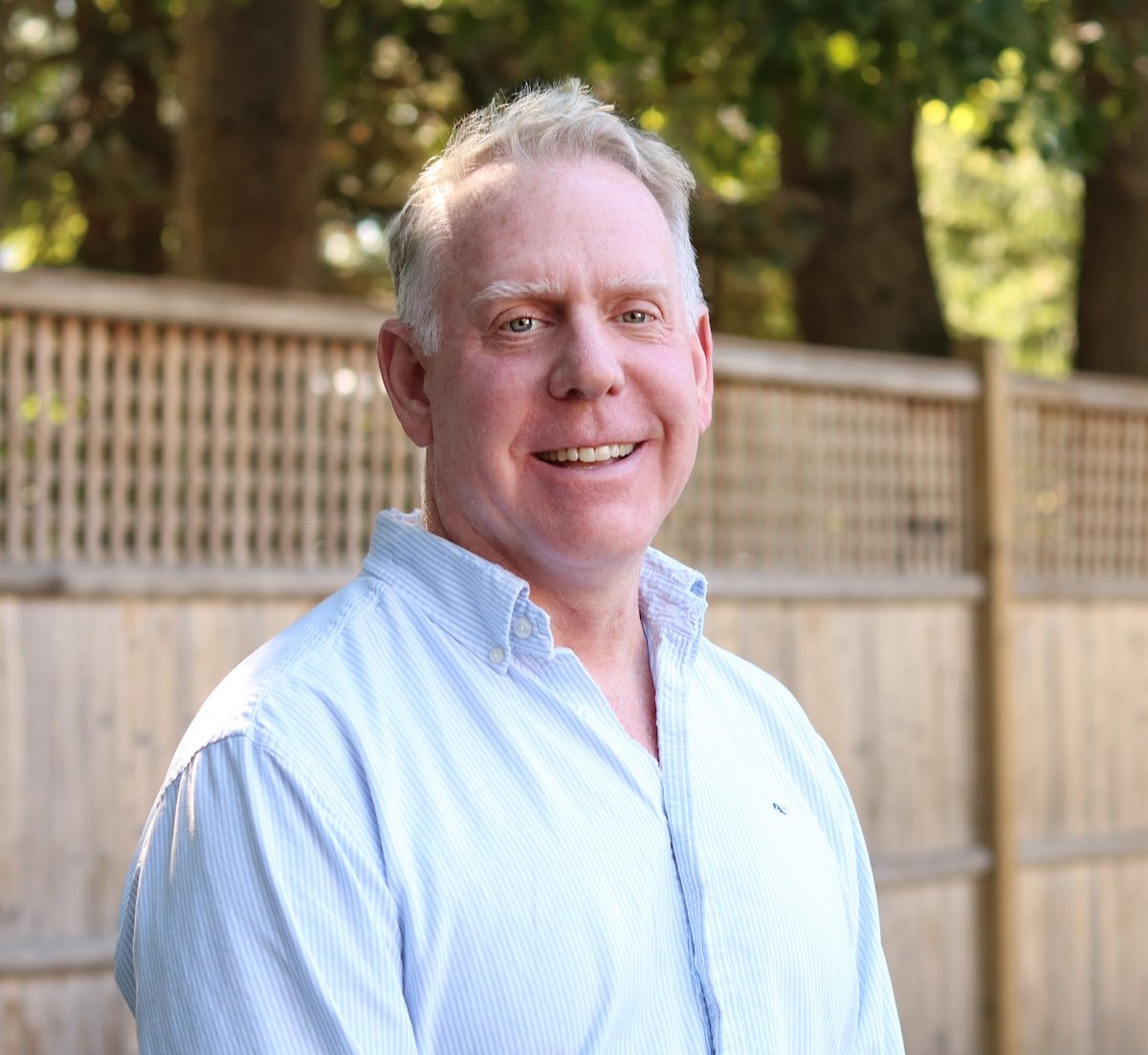
Adam Hickey is currently the Landmark School research coordinator and a Landmark Outreach lead faculty member. Previously, Adam taught American literature in addition to his administrative role as an academic advisor at Landmark High School. Adam is a graduate of the Harvard Graduate School of Education where he studied language and literacy development. While studying at Harvard, he taught at the Maria L. Baldwin School in Cambridge as a reading specialist and explored the influence of early intervention on struggling readers at the elementary level. He also holds an M.S. Ed. in education from Simmons University. Adam is a licensed reading specialist and moderate special needs educator.
Posted in the category Learning Disabilities.