

 Current Families

 Inquire
 Visit
Visit Give
Give




- Our School
- Our Advantage
- Admission
- Elementary•Middle School
- High School
- Summer
- Giving
- Parent Resources
- For Educators
- Alumni
Cultivating Deep Learning: Where Inquiry Meets Structured Literacy
November 4th, 2025


Structured literacy and inquiry-based learning might seem like opposites—one emphasizing systematic, explicit instruction and the other celebrating curiosity, exploration, and discovery. At Mount Vernon School, where I serve as Chief Learning Officer, and through our partnership with Landmark School, we are learning that the two can beautifully coexist. When integrated thoughtfully, they bring out the best in one another—especially in a community designed to nurture students with language-based learning differences. They create a powerful harmony, challenging us as educators to blend intentional design with genuine curiosity.
Structured Literacy Meets Inquiry-Based Learning
Structured literacy provides direct and systematic instruction to build a strong foundation for reading and writing. Inquiry-based learning invites wonder, creativity, and ownership. When we combine the precision of literacy instruction with the deep engagement and agency of students’ wonders, they not only gain the skills to decode text but also the confidence to interpret, imagine, and create meaning from it.
The Power of Dyslexic Thinking
“Dyslexic Thinking” is a term that is taking off in the workplace and in many educational settings. It represents a cluster of cognitive strengths often found in learners with dyslexia. In my work with Landmark teachers, I’ve seen these strengths shine through: a student who visualizes an idea before putting it into words, another who imagines a new way to solve a problem, or one whose empathy turns a book discussion into a shared human experience.
These learners often excel in exploring, imagining, visualizing, communicating, reasoning, and connecting—skills that mirror the very dispositions of powerful inquirers. When we design instruction that honors both precision and play—explicit phonics lessons leading into exploration—we amplify those innate gifts. We help students move beyond overcoming barriers to discovering what propels them forward.
“In inquiry, we are all better together.”
—Trevor MacKenzie
Ask More. Discover More
Questions sit at the heart of inquiry. They launch learning, frame thinking, and invite students to move beyond surface understanding toward meaning-making and discovery. When teachers intentionally model curiosity and create space for students to generate their own questions, learning transforms from something delivered to something co-constructed—guided by skill, yet driven by wonder.
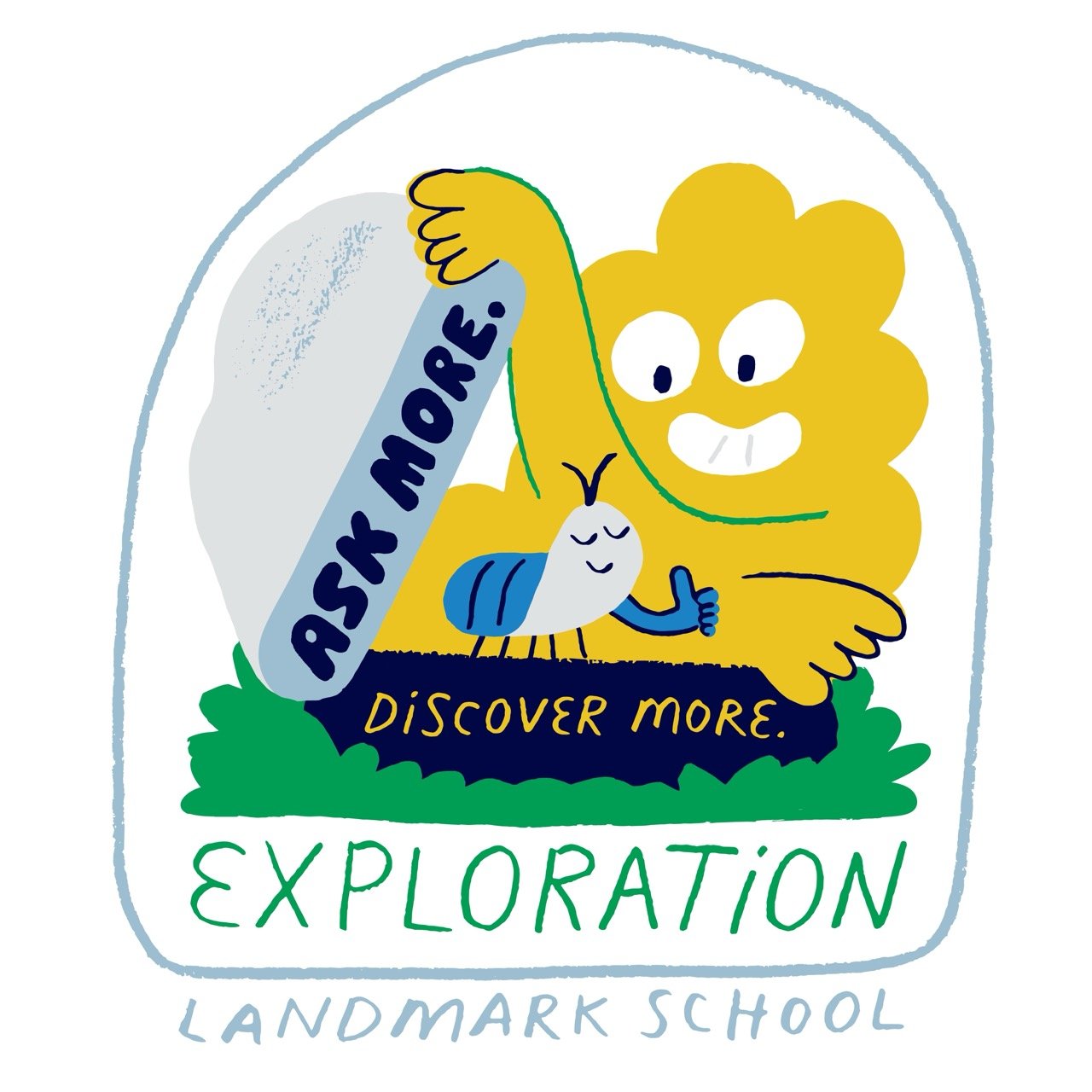
This idea comes to life in Landmark’s cultural norm of Exploration: “Ask more. Discover more.” Similarly, it’s found in Mount Vernon’s Mantra “Start with Questions.” These are simple phrases that capture the heart of what inquiry-based learning can be—an intentional blend of structure and curiosity. I’ve seen how structure sparks—not stifles—curiosity. Each time a student asks a deeper question about a story, a pattern, or a word, they’re building toward independent application of skills. Precision gives them the tools. Inquiry gives them the purpose.

Rigor and joy are not opposites—they are partners. Precision invites confidence; curiosity sparks purpose. Together, they cultivate learners who read the world with both discipline and delight.
*if you'd like to learn more about dyslexic learning strengths, explore Made By Dyslexia.
About the Author
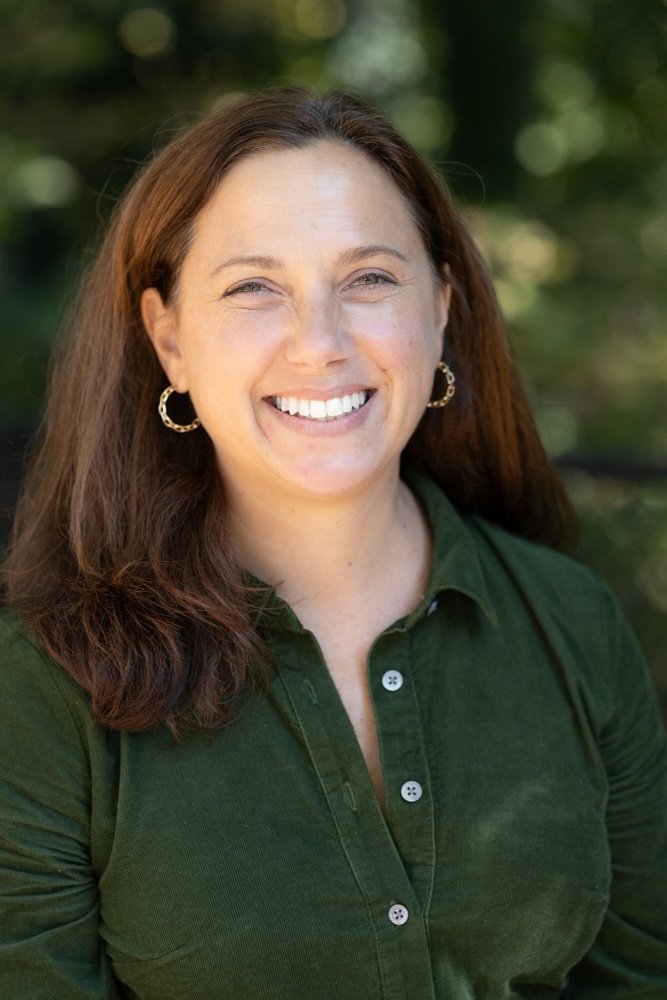
Nicole Martin, Ed.S., is the Chief Learning Officer at The Mount Vernon School in Atlanta, Georgia, where she has served for over 15 years. She leads the vision and implementation of innovative, inquiry-based practices across Preschool through Grade 12, including competency-based learning, instructional rounds, authentic assessment, and professional growth systems. Before joining Mount Vernon, Nicole served as a learning and reading specialist and taught middle and high school English at several Atlanta-area schools. She has presented nationally at conferences including SAIS, NCTE, ERB, and Harvard’s Project Zero.
Posted in the category Learning.