
 Current Families
 Inquire
 Give
Give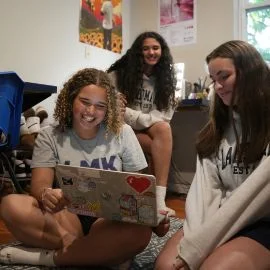
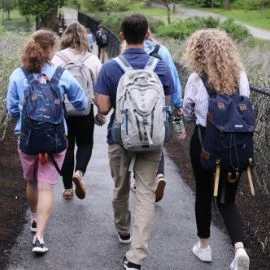
Dyslexic minds deserve an education as remarkable as their thinking. Students thrive in Landmark School’s literacy ecosystem designed just for them—in every class, with every teacher, every day.
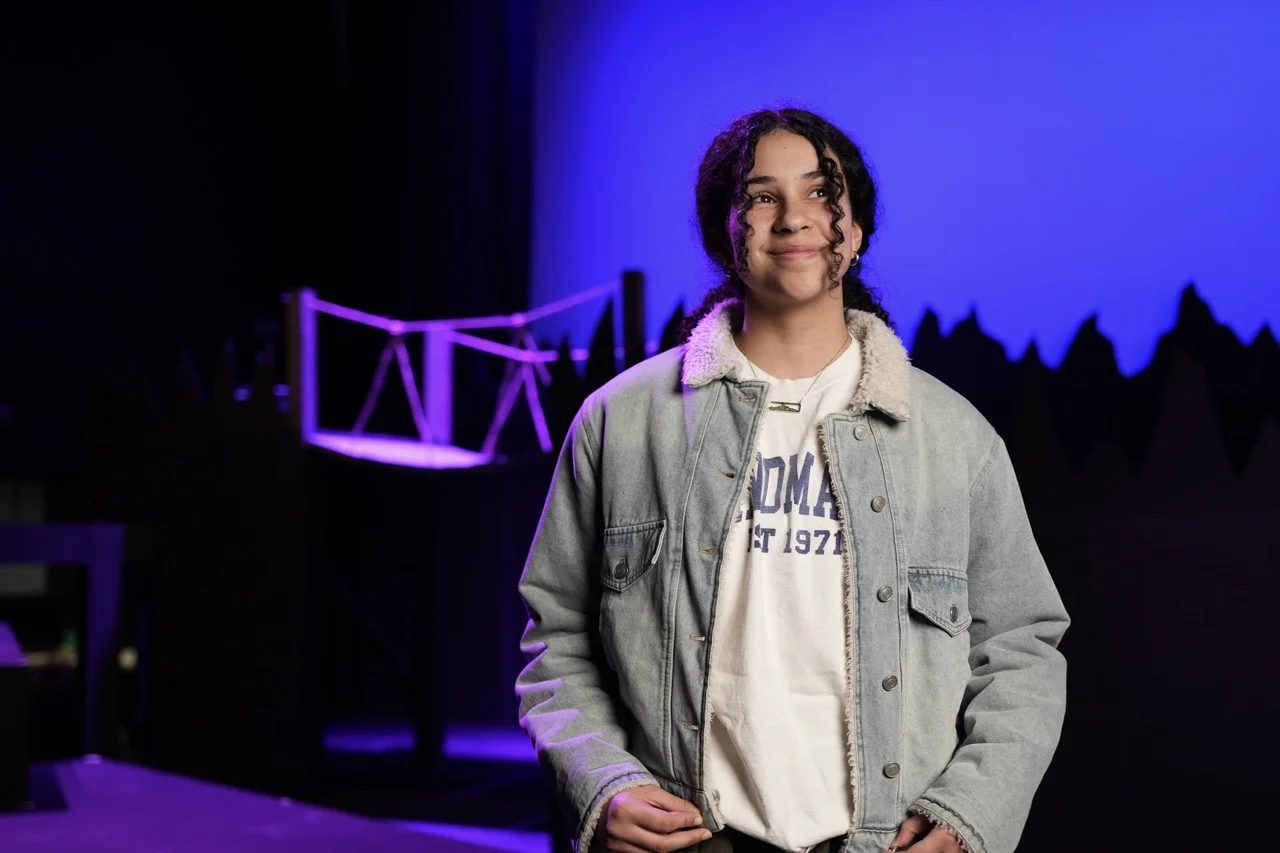
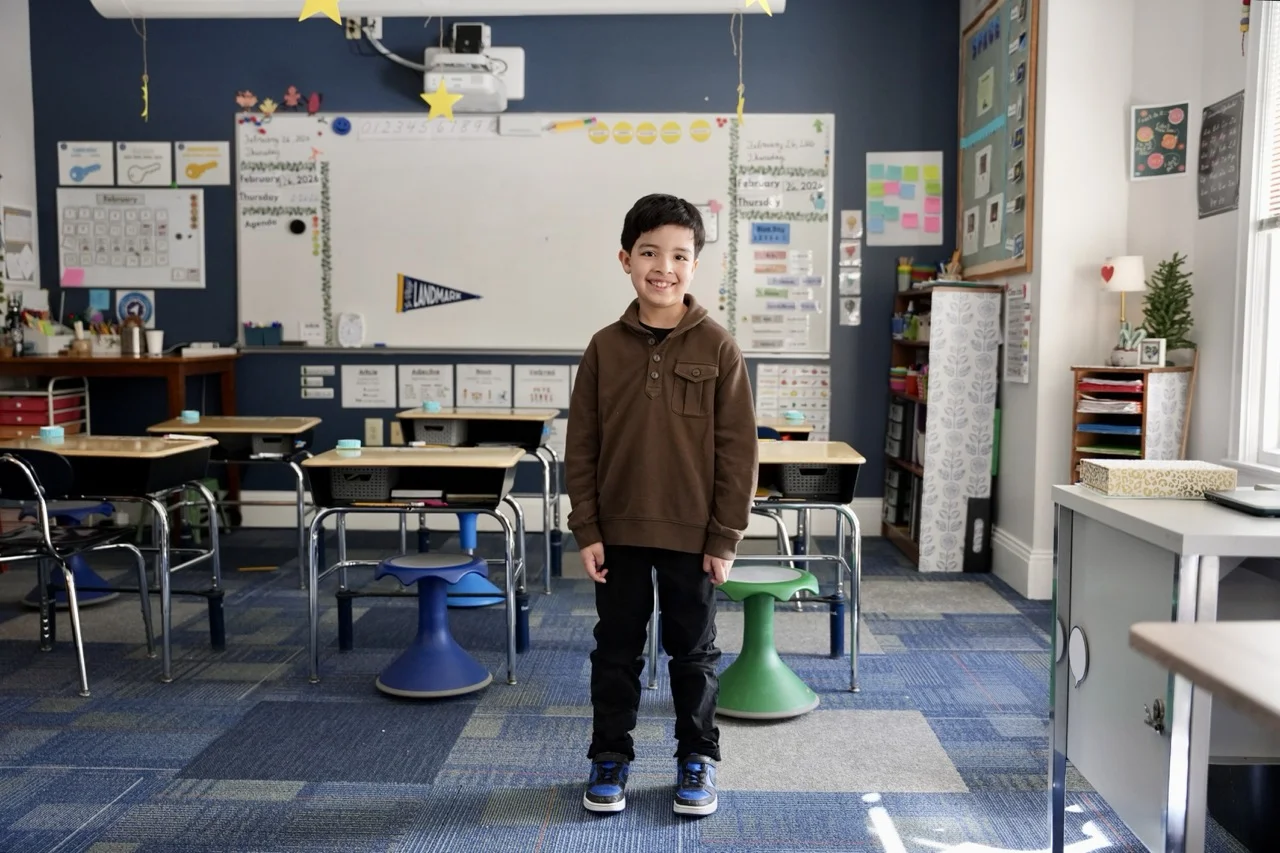
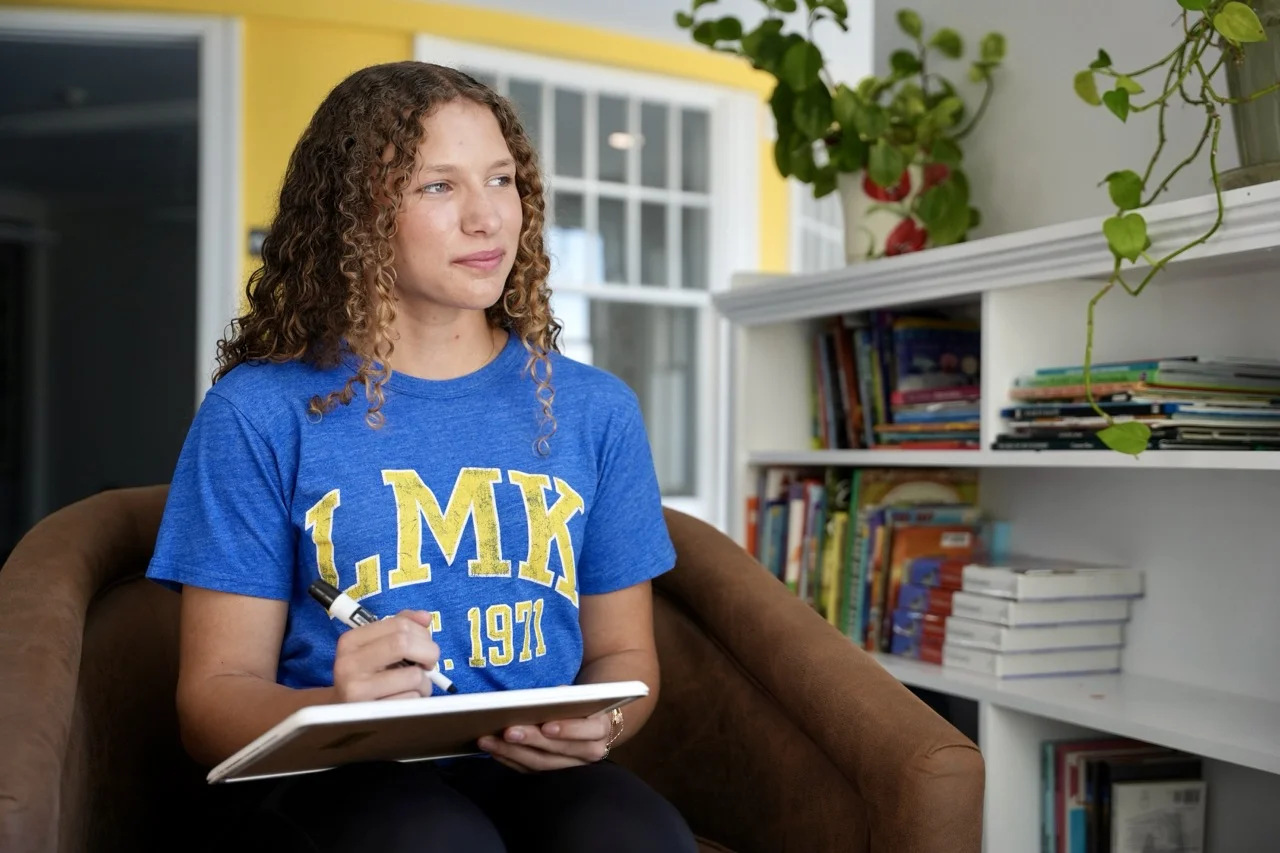
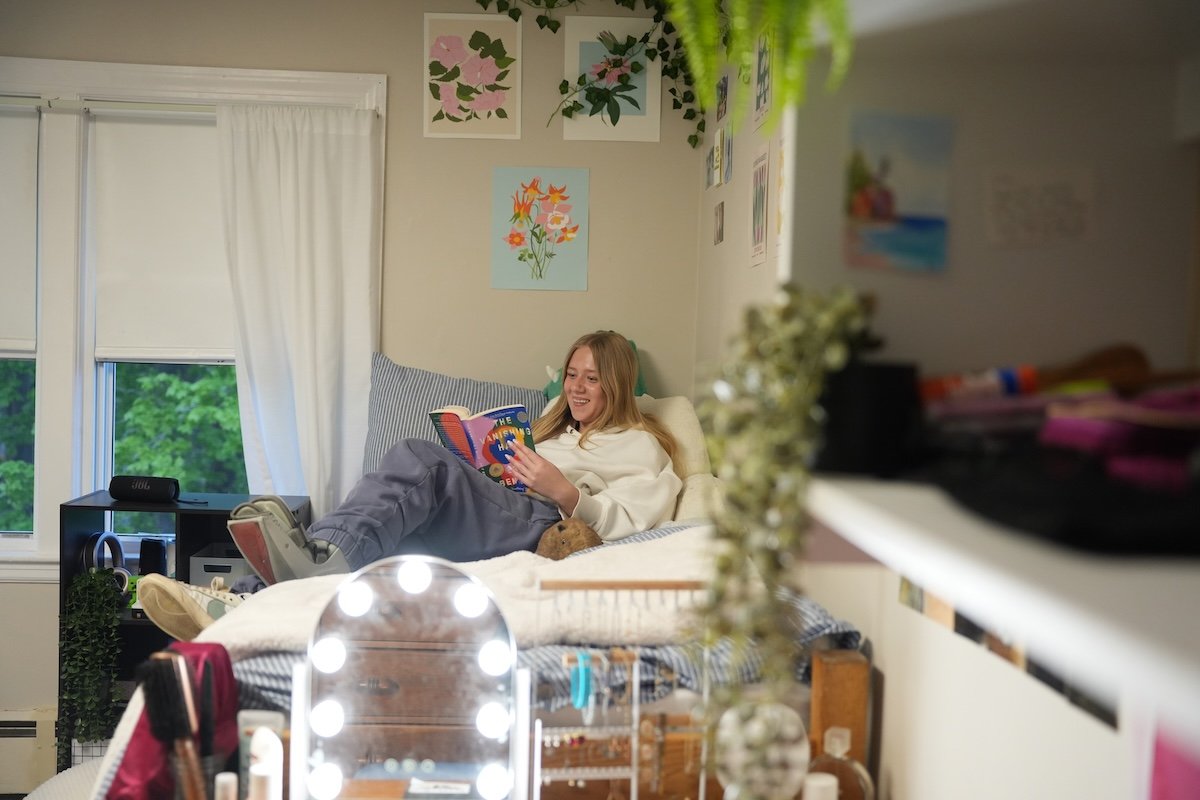
Angelina
HOMETOWN:
Swansea, MA
LANDMARK DORM:
Campus Cottage
FAVORITE CLASS:
Algebra—Loves exploring the puzzle-like side of mathematics.
PASSIONS:
Technical Theater, taking walks with her dog, rollerblading, going on spontaneous car rides to discover fun new places to explore
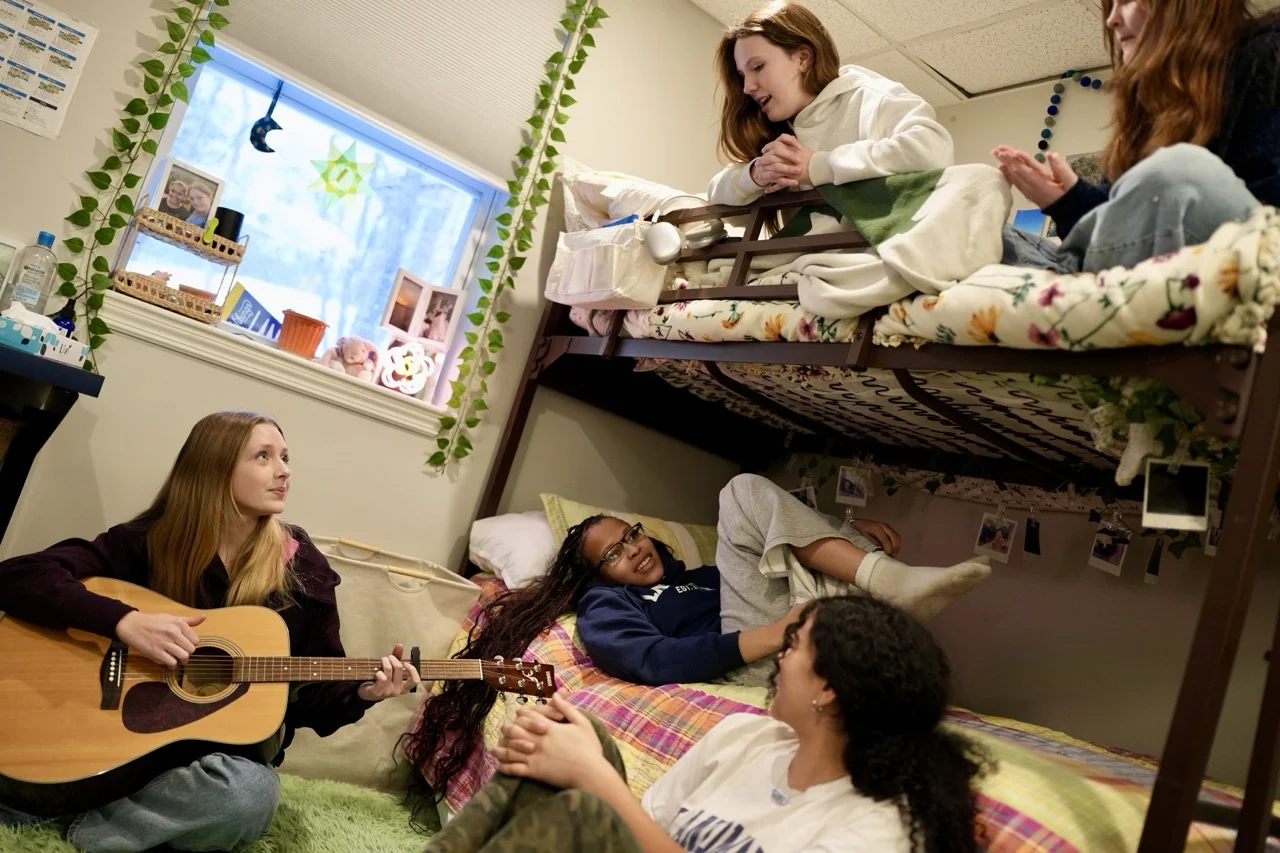
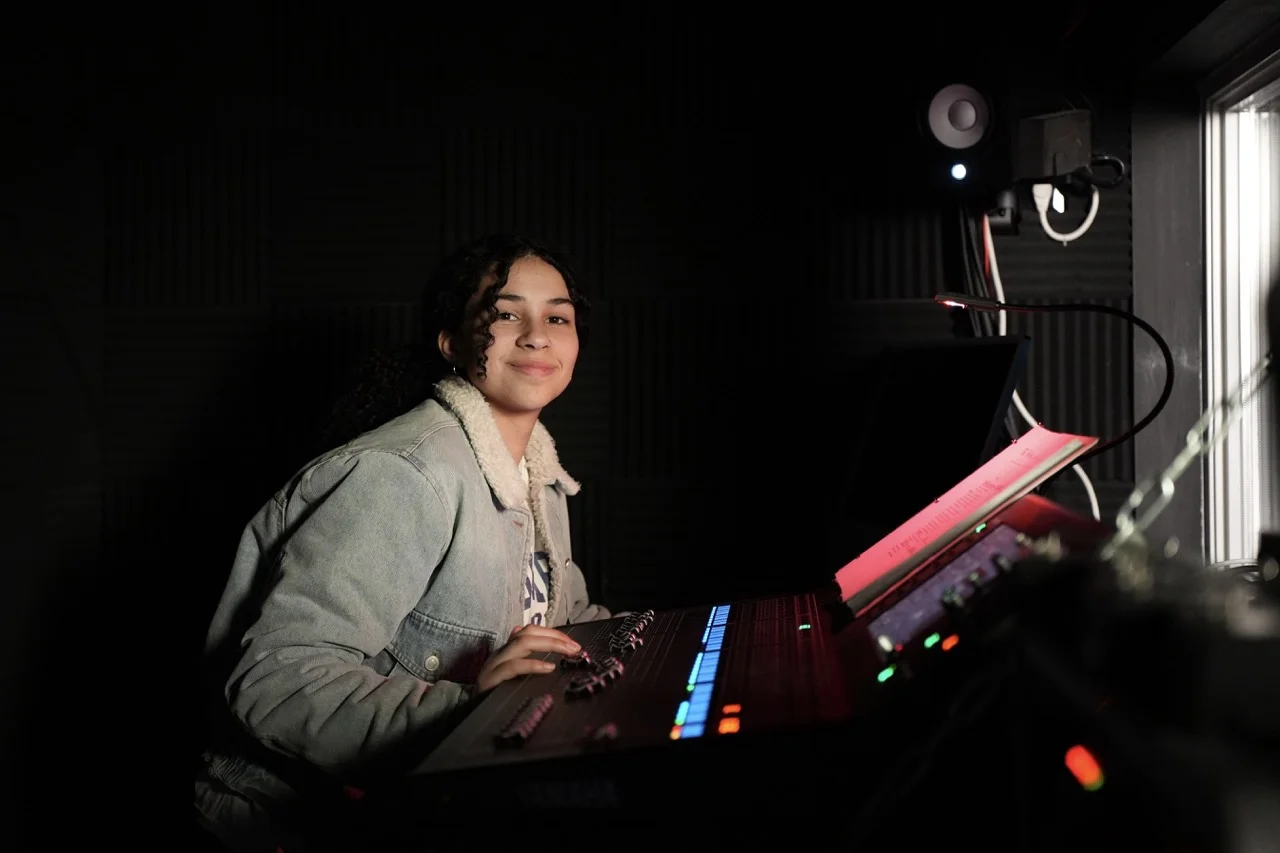
"One of the most valuable parts of my Landmark experience has been living in the dorm. Sharing a home with other girls has helped me become more confident, independent, and comfortable being myself."
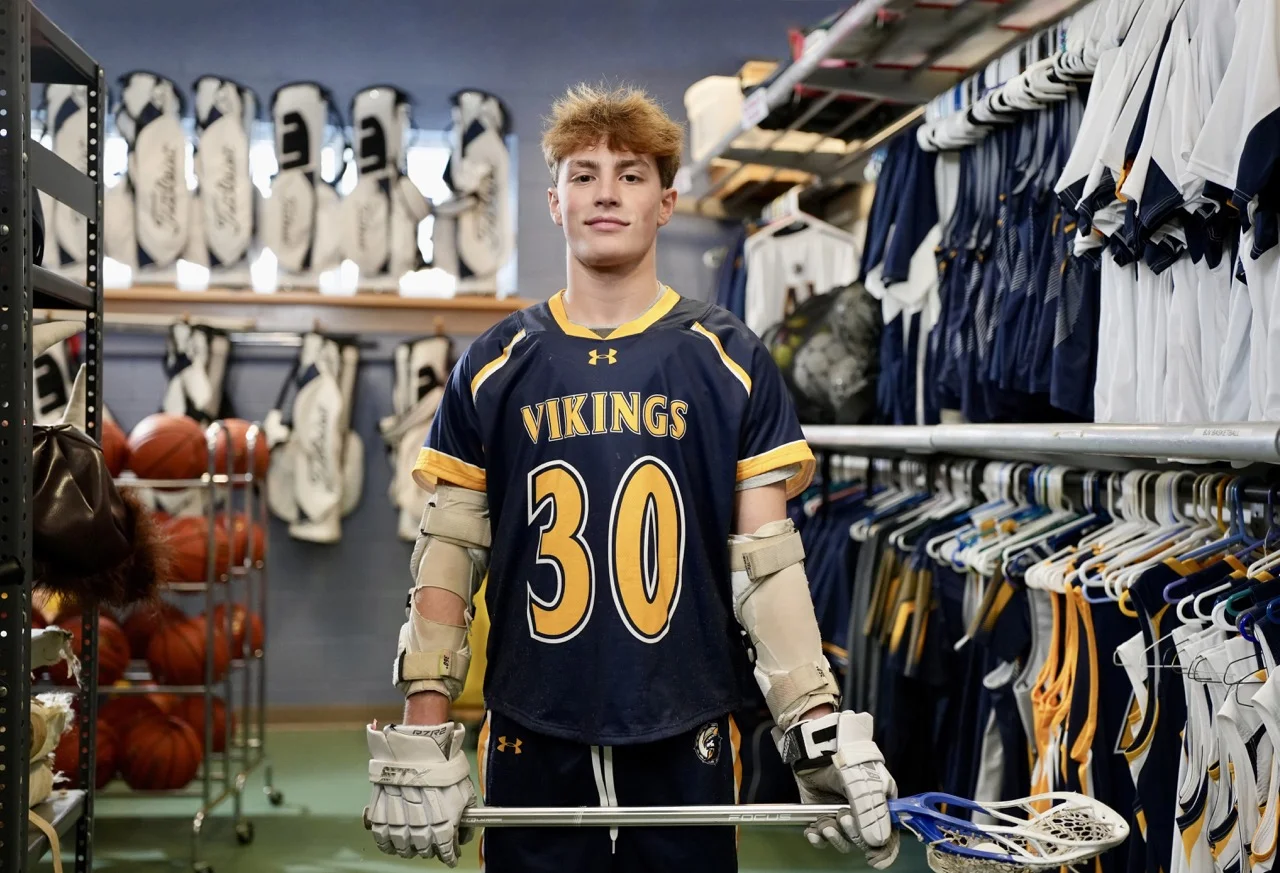
Jake
HOMETOWN:
Saugus, MA
FAVORITE CLASS:
Physical Education
PASSIONS:
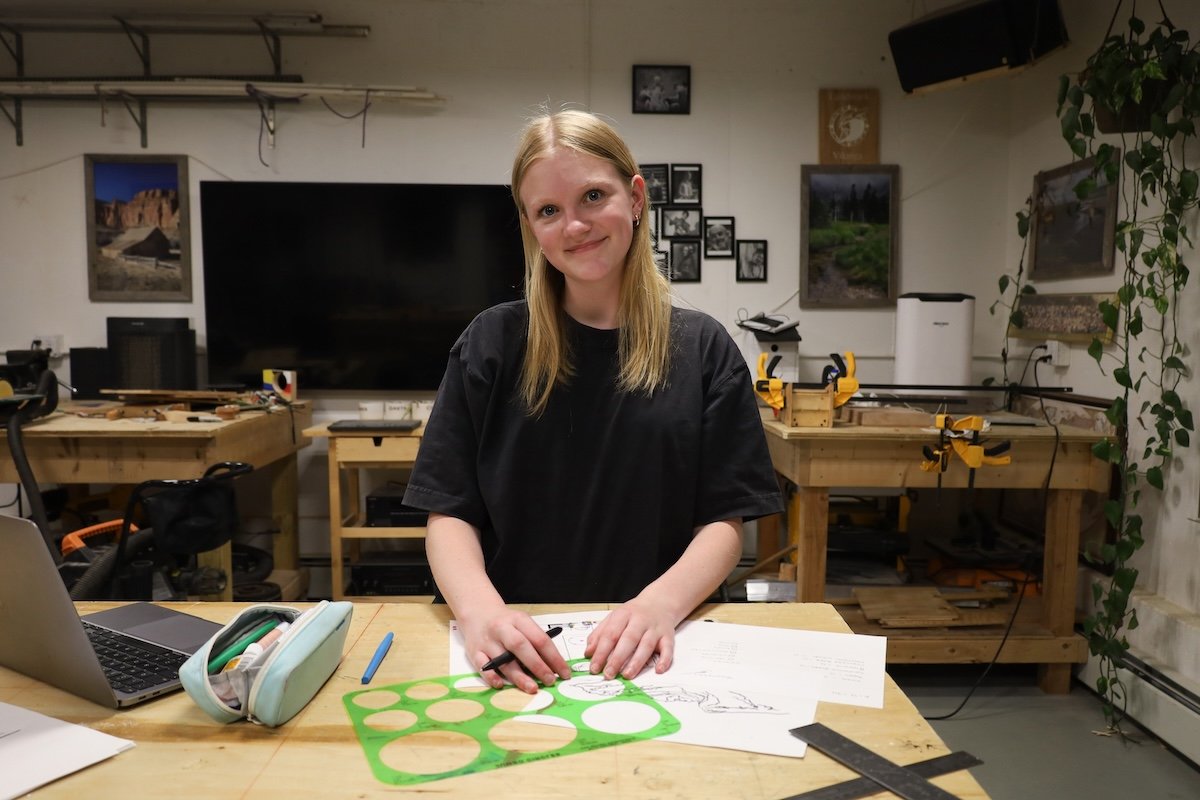
Lacrosse, hockey, swimming, skiing, going to the beach, and building things
SKILLS BUILT:
Advocating for myself
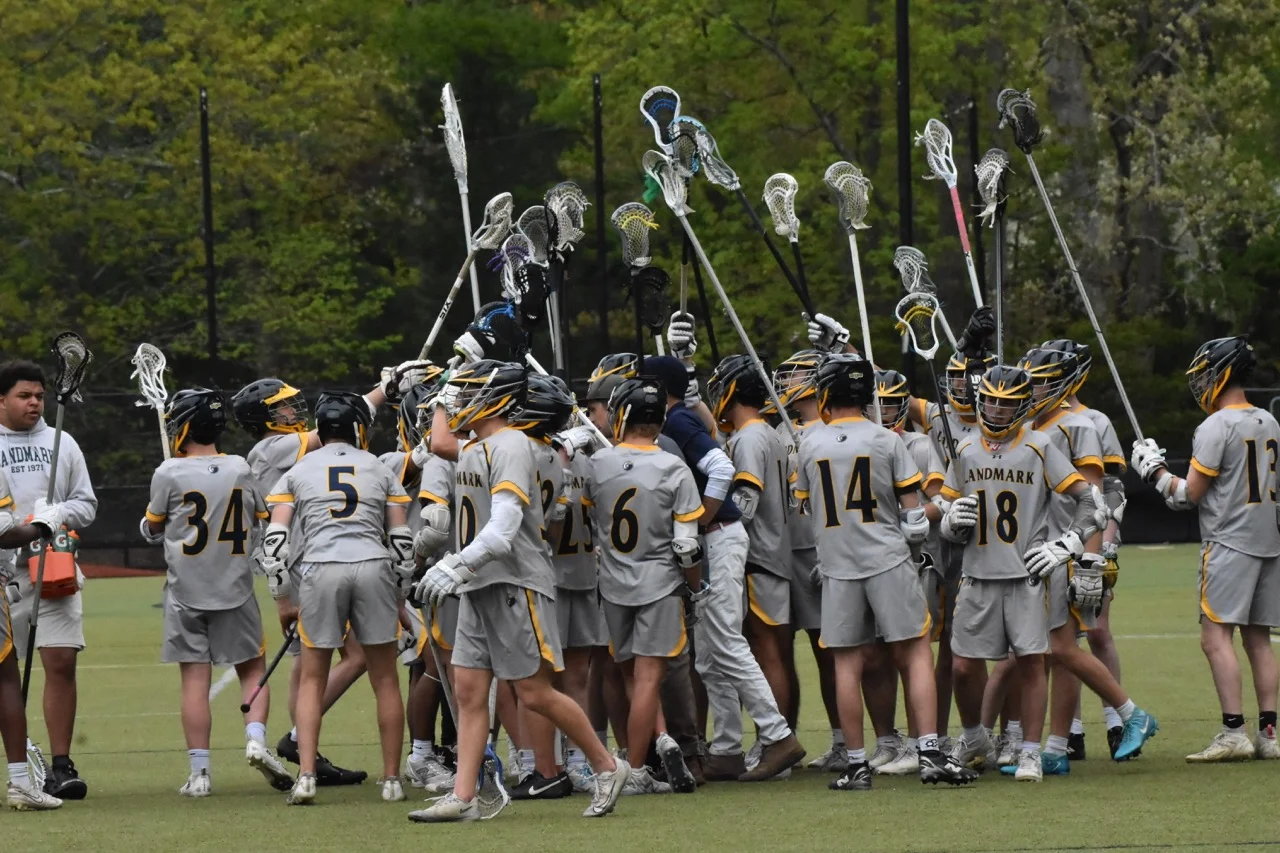
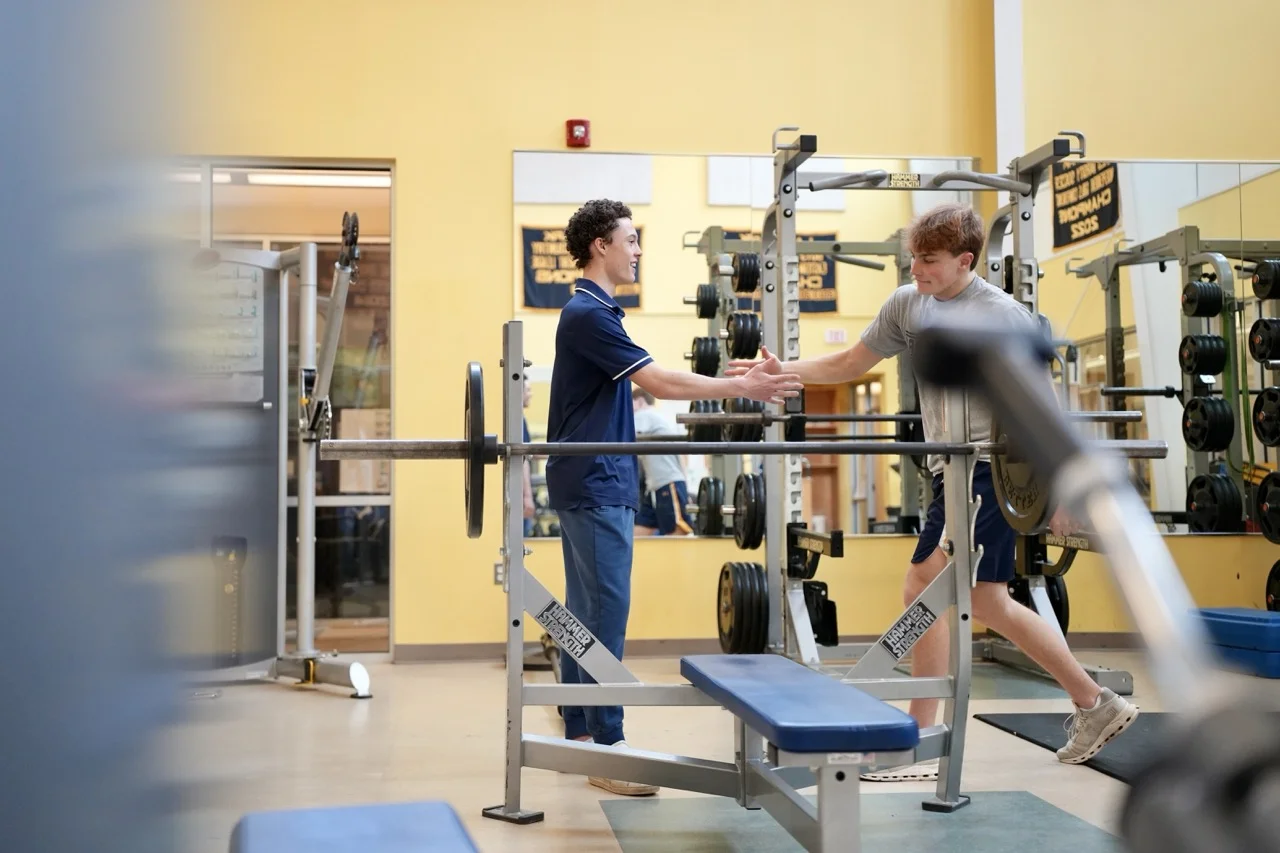
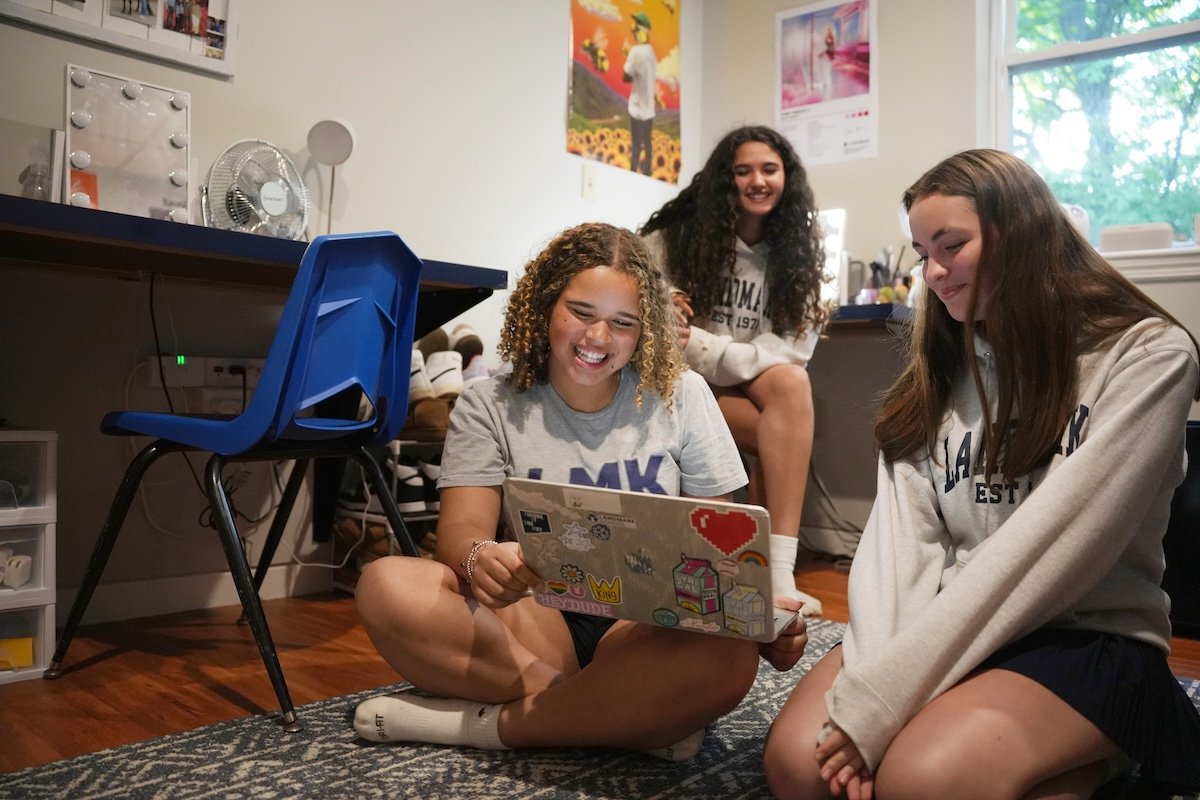
"My peers and classmates are also dyslexic. They get it, and the teachers understand dyslexia, too."
Daniel
HOMETOWN:
South Hamilton, MA
FAVORITE CLASS:
Gym & Communications
PASSIONS:
Reading and playing with my dog, Rosie
SKILLS BUILT:
"Dot & Grab" for reading big words
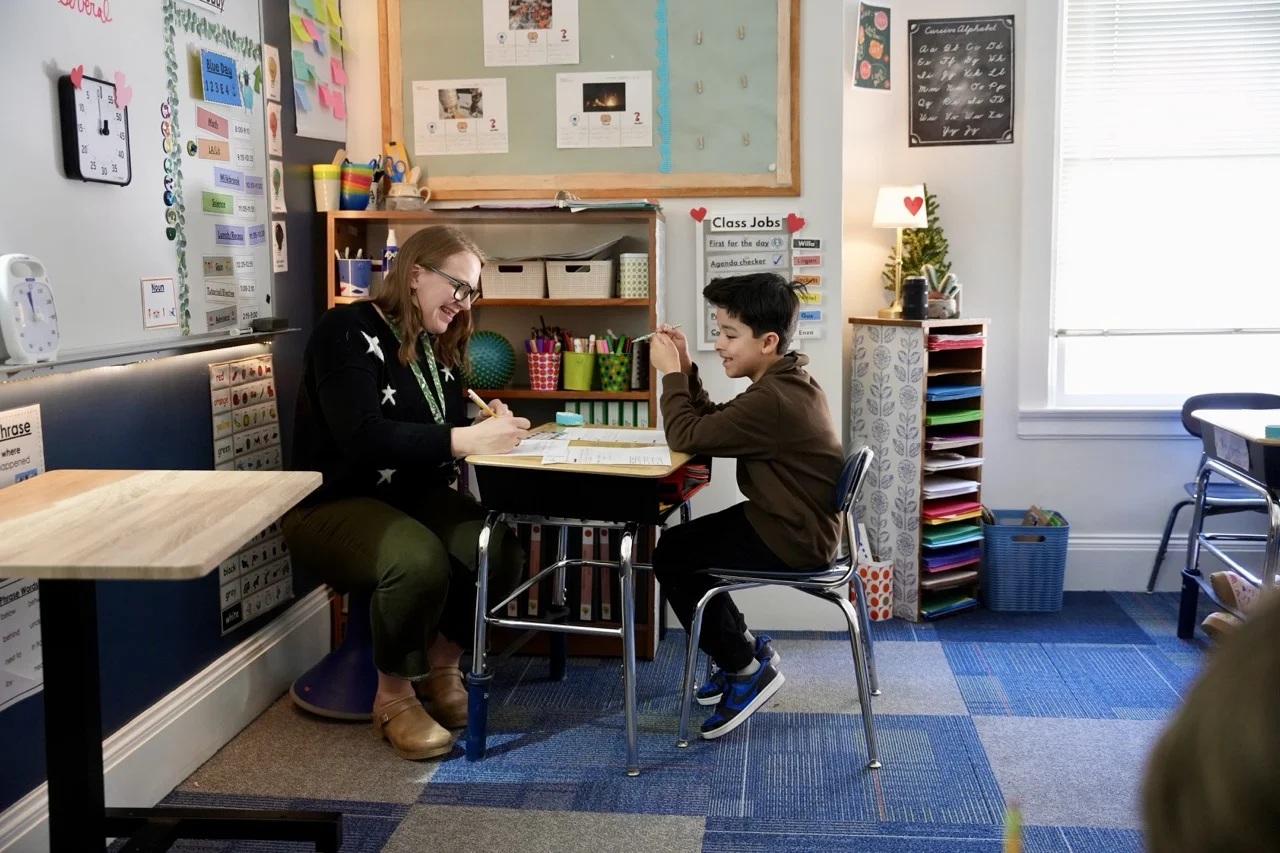
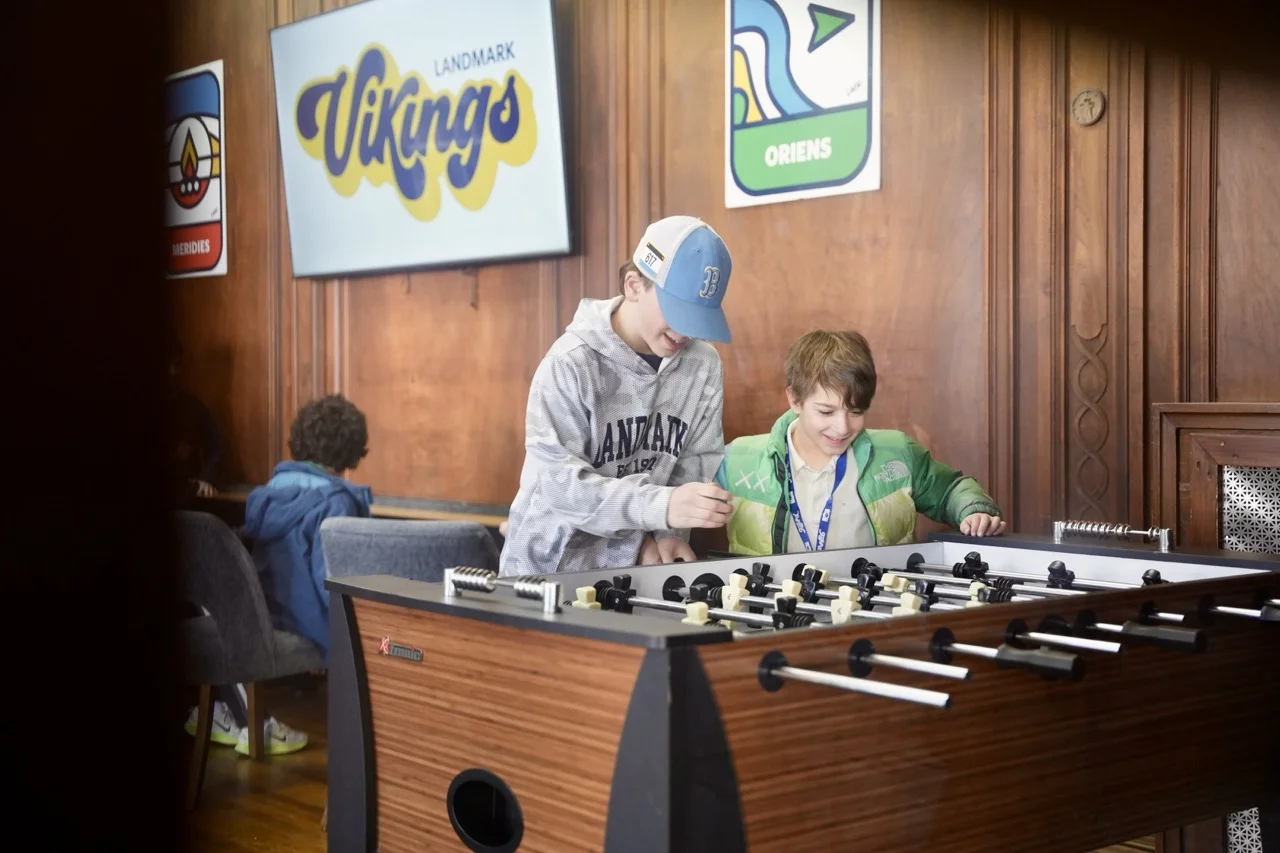
"I have learned that even if something gets tough for me, it’s just me building more superpowers with my dyslexia."
Lillian
HOMETOWN:
Marshfield, MA
FAVORITE CLASS:
Math & Language Arts
PASSIONS:
Softball, Marine Biology, Writing
SKILLS BUILT:
Executive function skills that fit how my brain works.
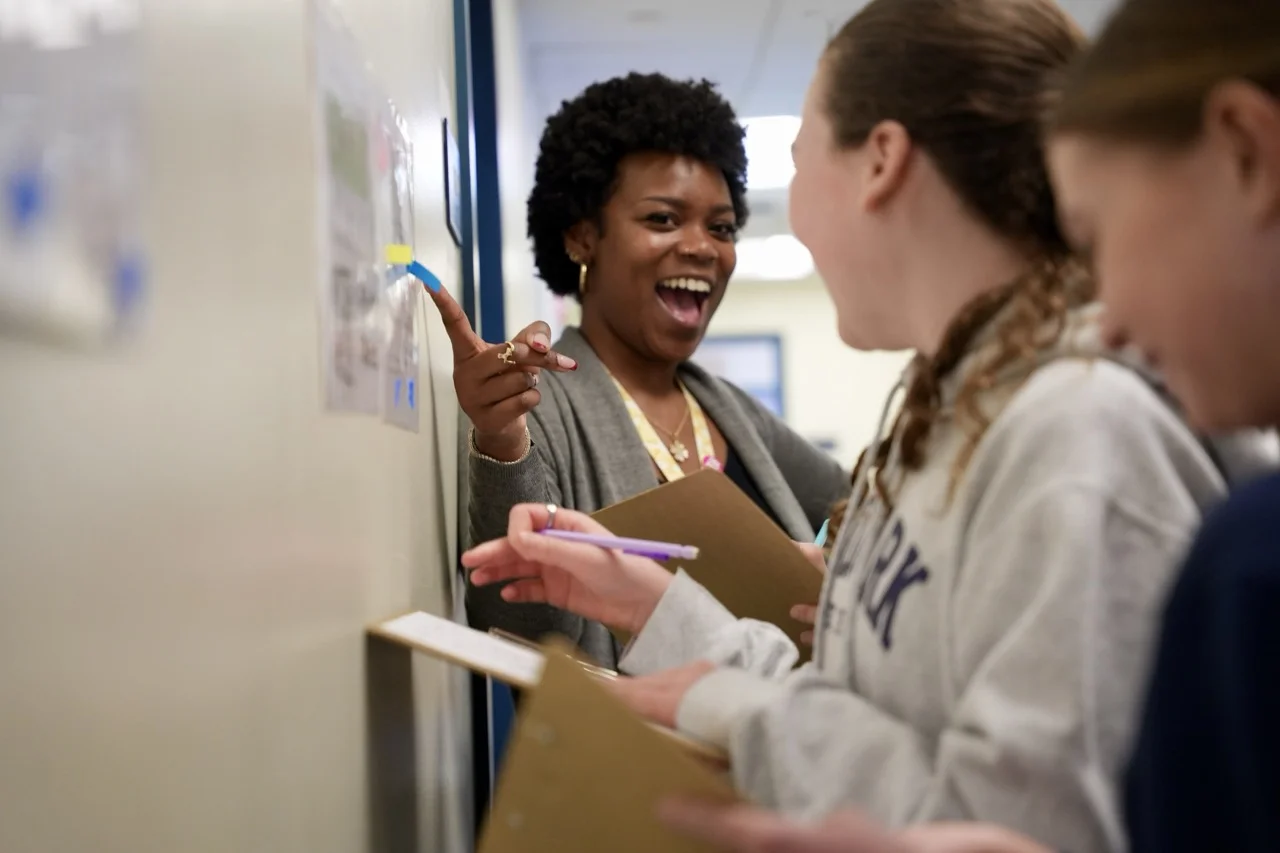
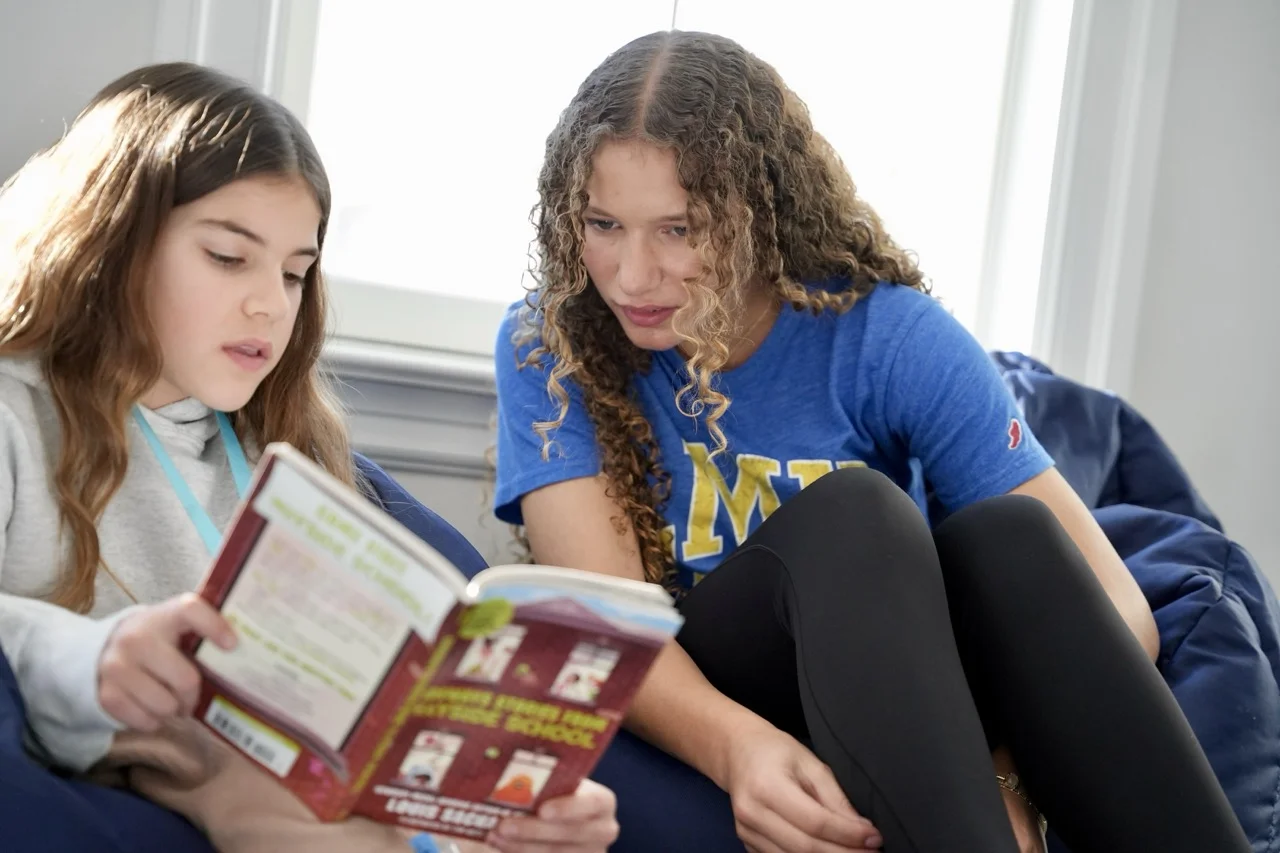
"I’ve made amazing friendships at Landmark, and my teachers really care about me. My favorite teacher has helped me grow as a student and as a person, and has given me confidence in my writing."
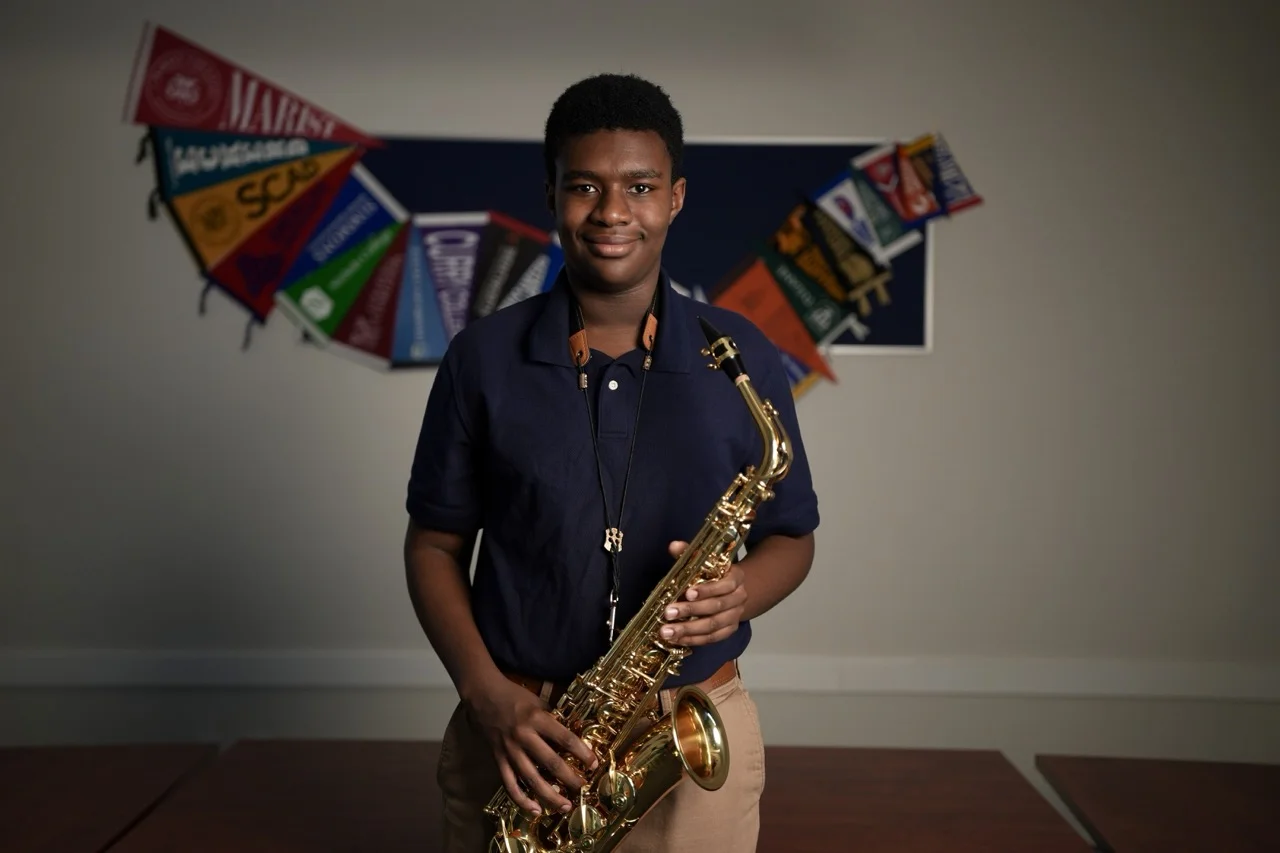
Larry
HOMETOWN:
Springfield, VT
LANDMARK DORM:
Lopardo 1
FAVORITE CLASS:
Band & Film as Literature
PASSIONS:
Saxaphone, soccer, and hanging with friends
SKILLS BUILT:
Organization and proofreading skills
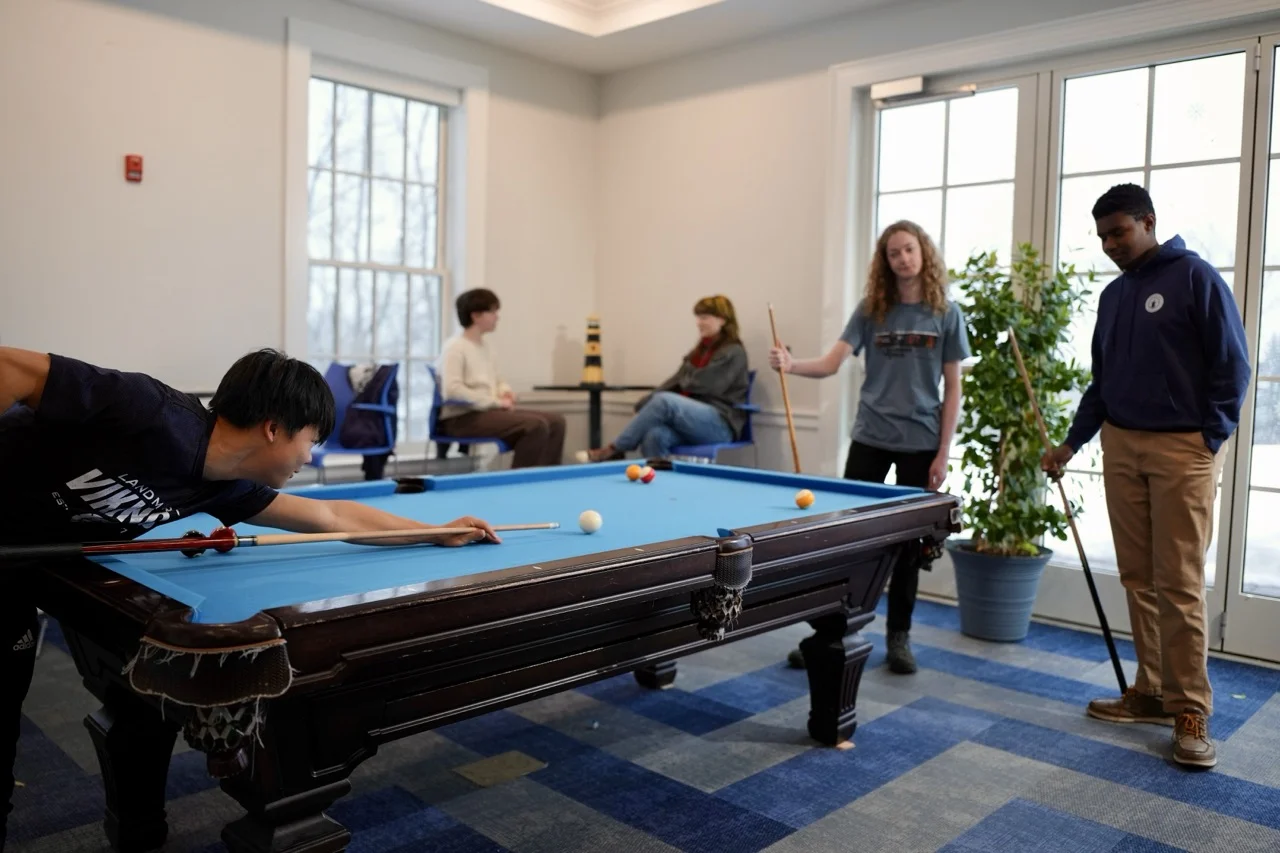
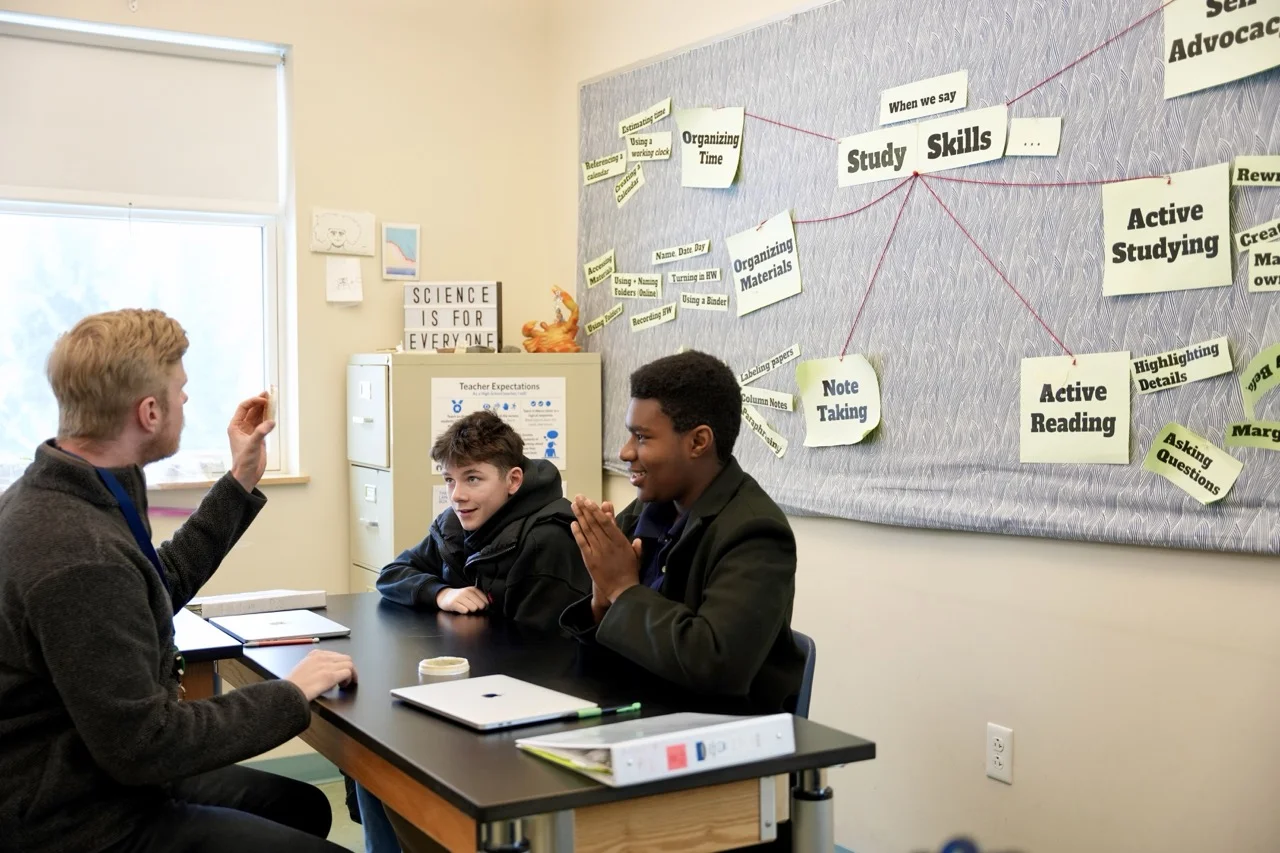
"Landmark has taught me how to push myself beyond what I thought I was capable of. Because of that, I feel prepared and excited for my future."
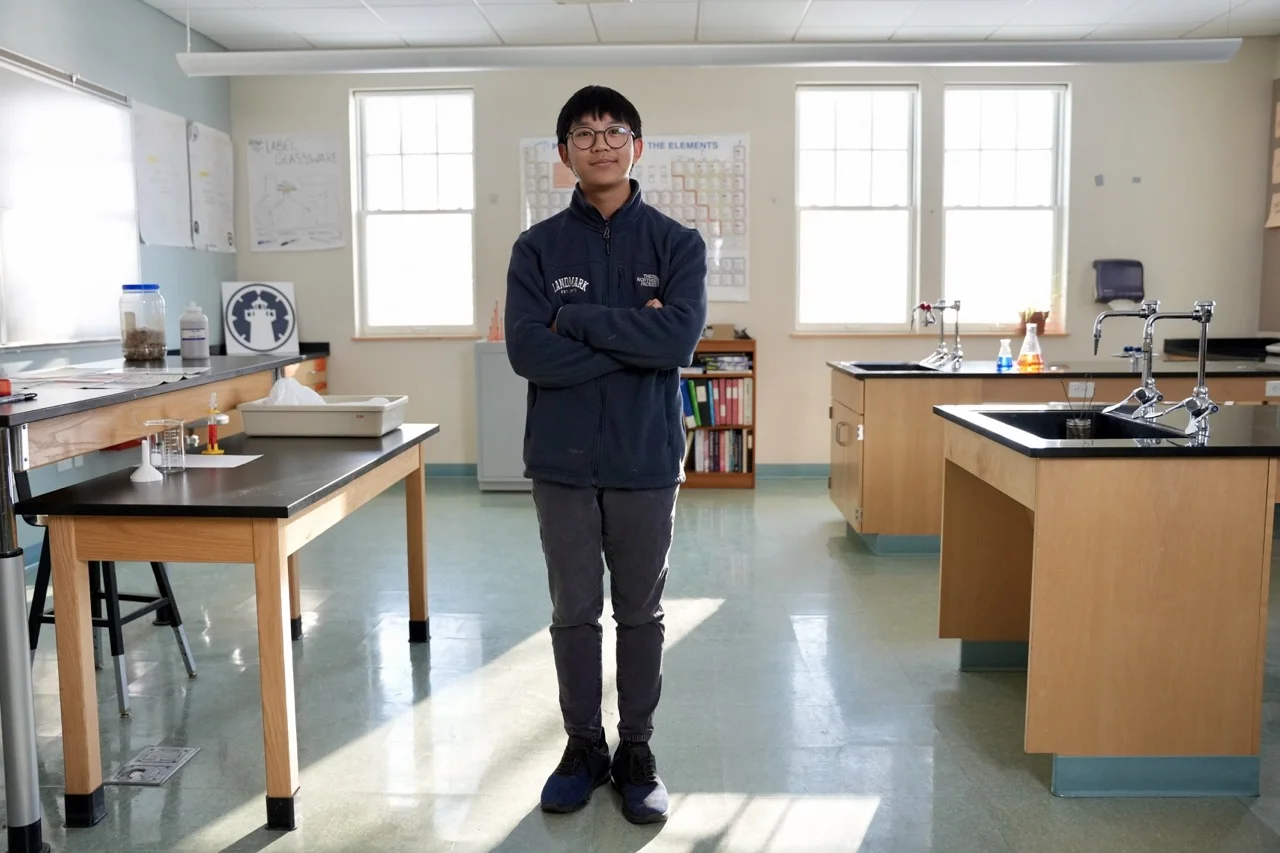
Owen
HOMETOWN:
Denver, CO
LANDMARK DORM:
Porter
FAVORITE CLASS:
Environmental Science—learning about the world, nature, and outdoor field trips & Psychology—theories and real-world examples
PASSIONS:
Reading, video games, hiking, and spending time with friends
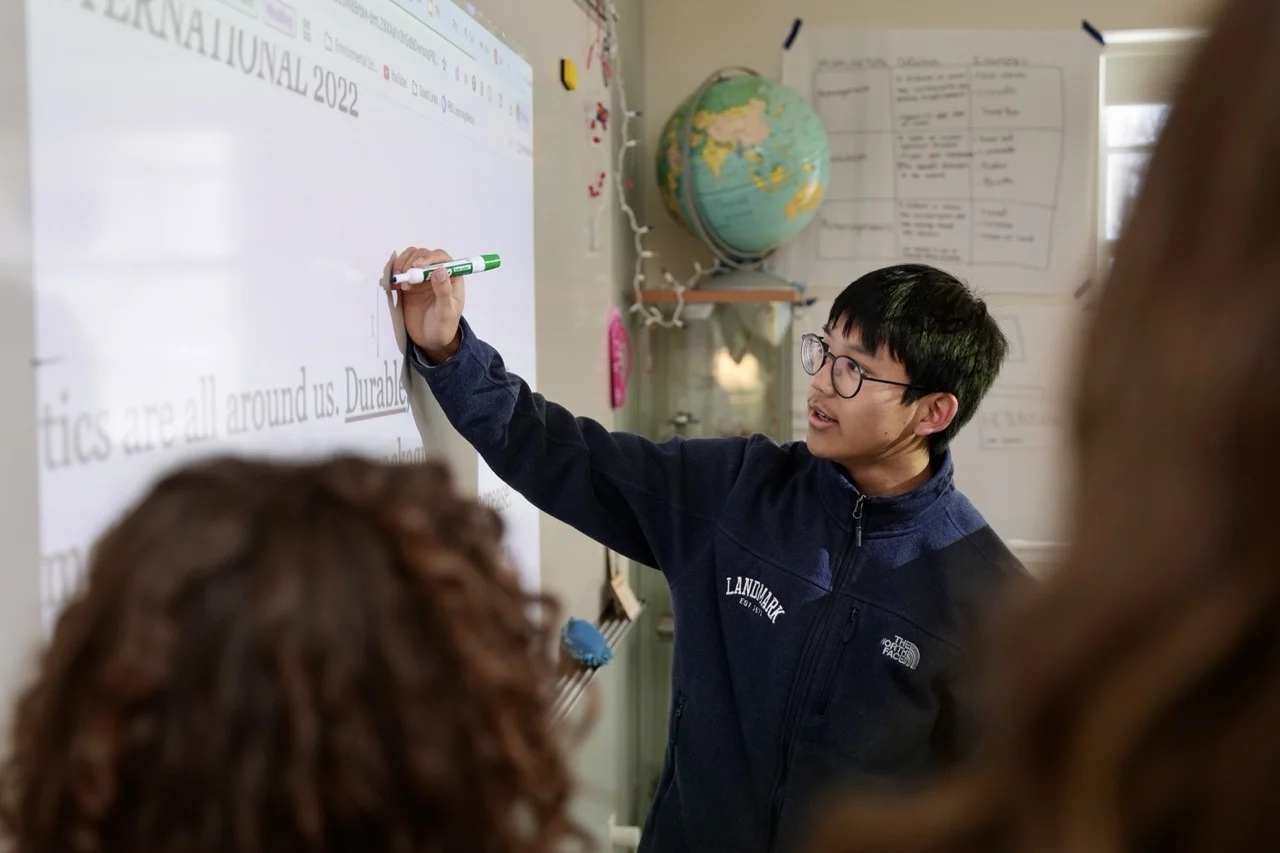
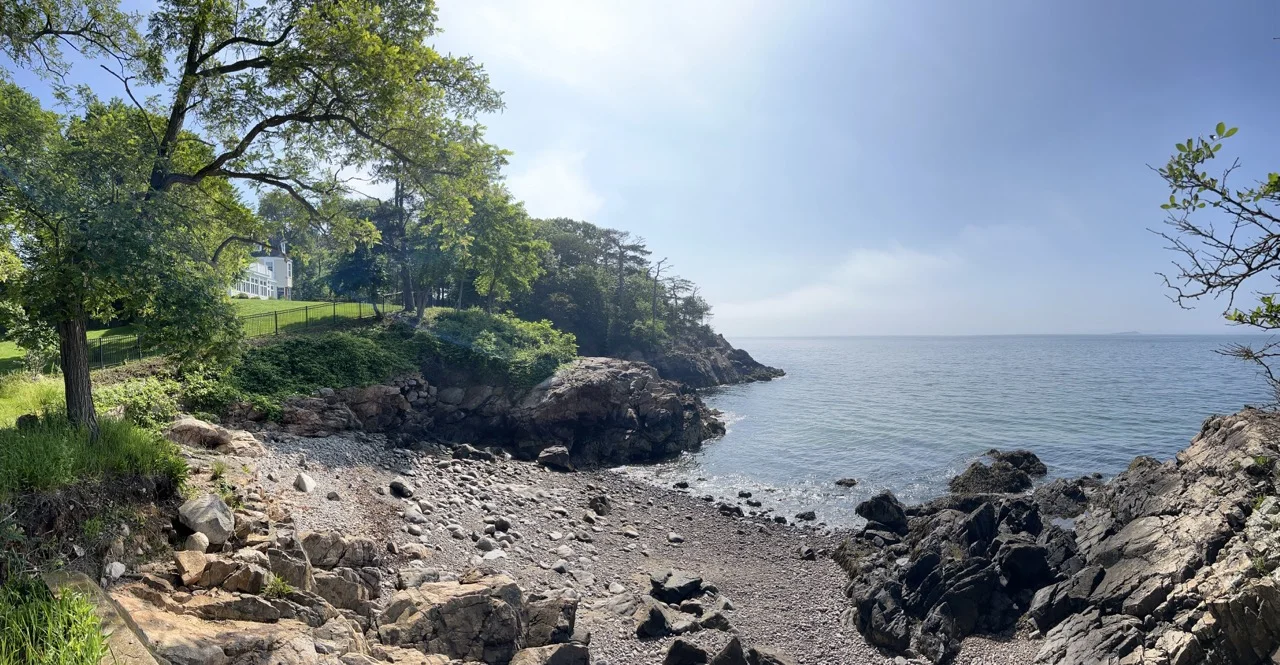
"At Landmark, I don’t have to choose between getting the support I need and pursuing my interests. I’m able to build my literacy skills while exploring the classes and activities I love."
Literacy
Ecosystem
Science
Swalm Science Center
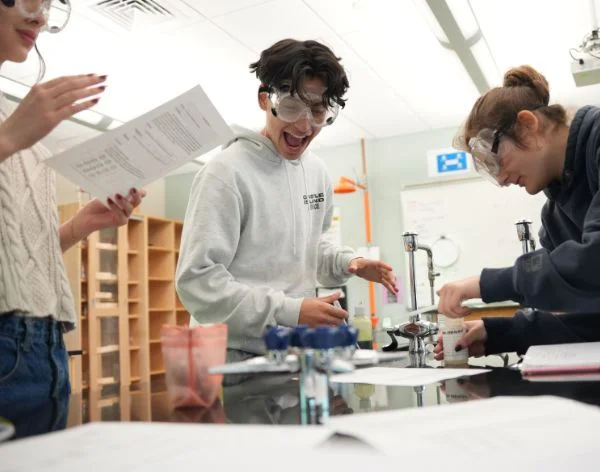
Students apply literacy and study strategies throughout their science curriculum, such as pre-reading (SQ3R), note-taking, outlining, summarizing, paraphrasing, and vocabulary development. They read for cause and effect, analyze data, and write lab reports that build scientific reasoning and structured writing skills.
More From Landmark's Instagram
Designed for
Literacy
At Landmark, literacy isn’t a subject — it’s a foundation. Our students read, write, and communicate with purpose in every class, with every teacher, every day.
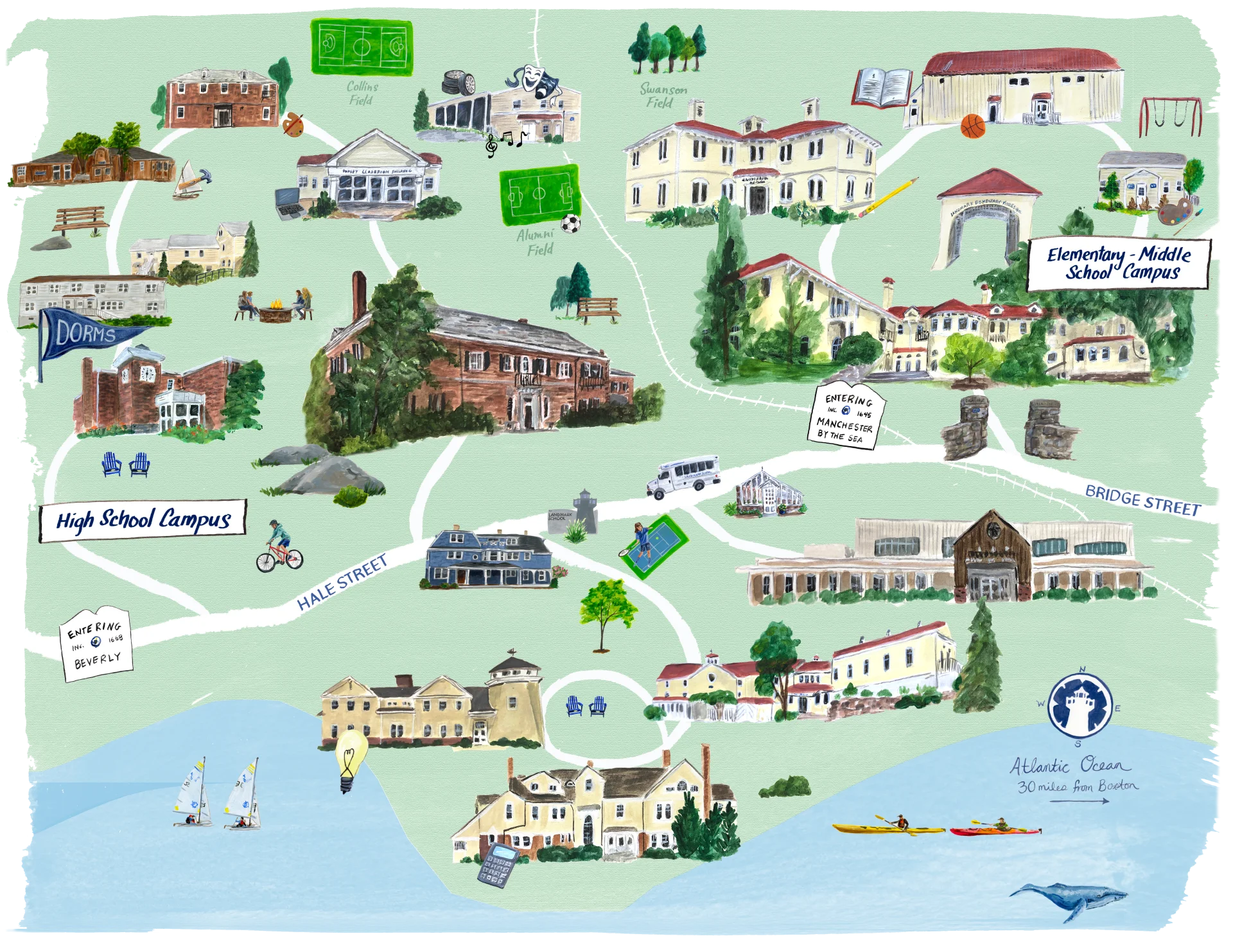
 Swalm Science Center19.2708%61.3621%
 Governor's Landing Math Building29.1667%75.5226%
 Alexander Academic Center
18.75%24.2751%
 Ansara Athletic Center51.0417%51.2475%
 Performing Arts Center27.0833%4.04585%
 Drake Welcome Center27.0833%49.8989%
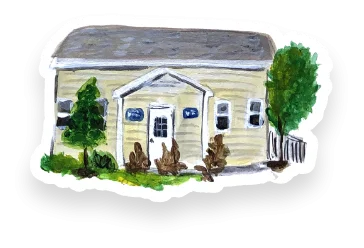
 Dudley Classroom Building16.6667%10.1146%
 EMS Main Building51.5625%19.555%
 Murphy Academic Center46.3542%62.7107%
 Rutter Academic Center45.8333%8.09171%
 Visual Arts Carriage House7.29167%3.37154%
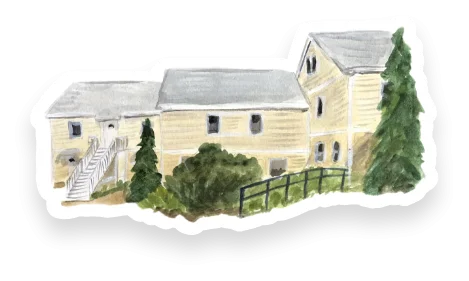
 Williston Dorm-2.60417%25.6237%
Literacy
Ecosystem
Math
Governor's Landing
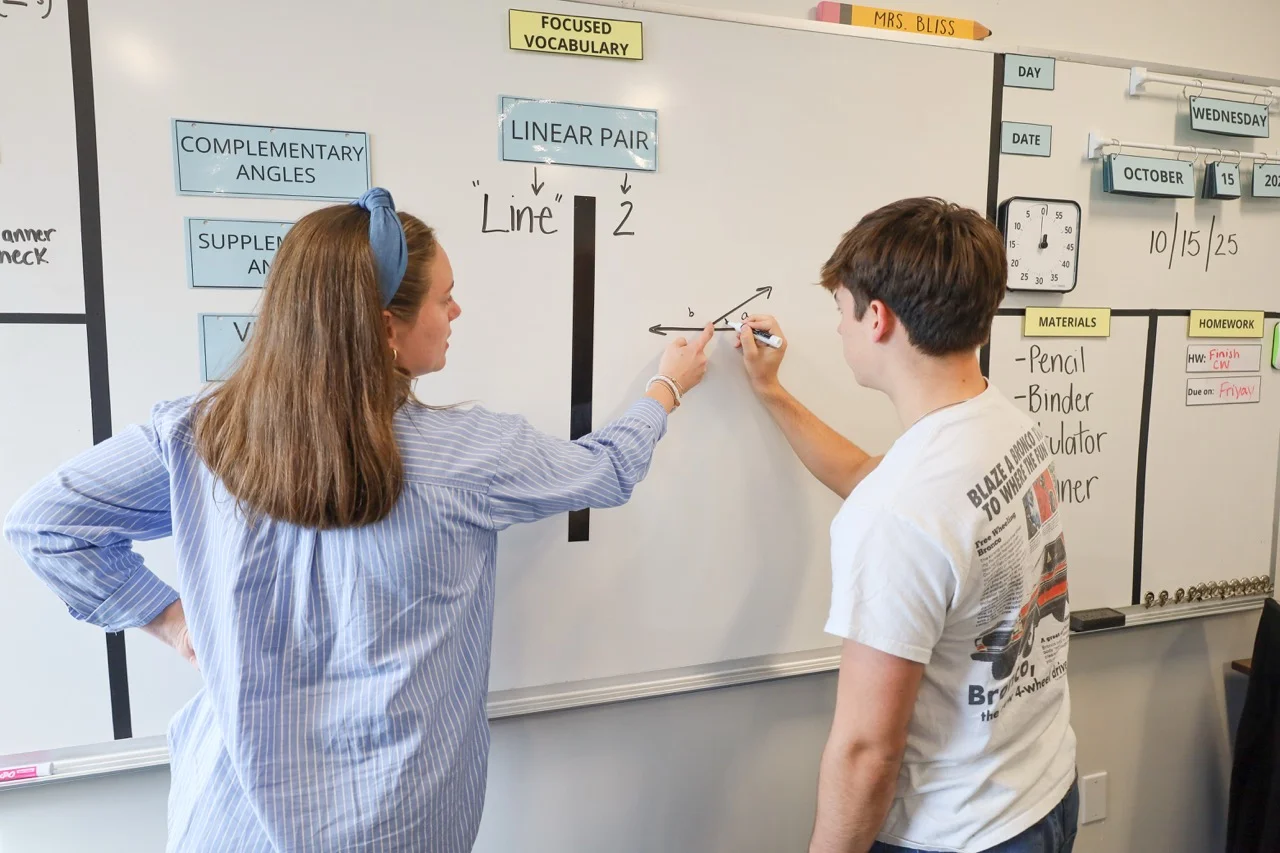
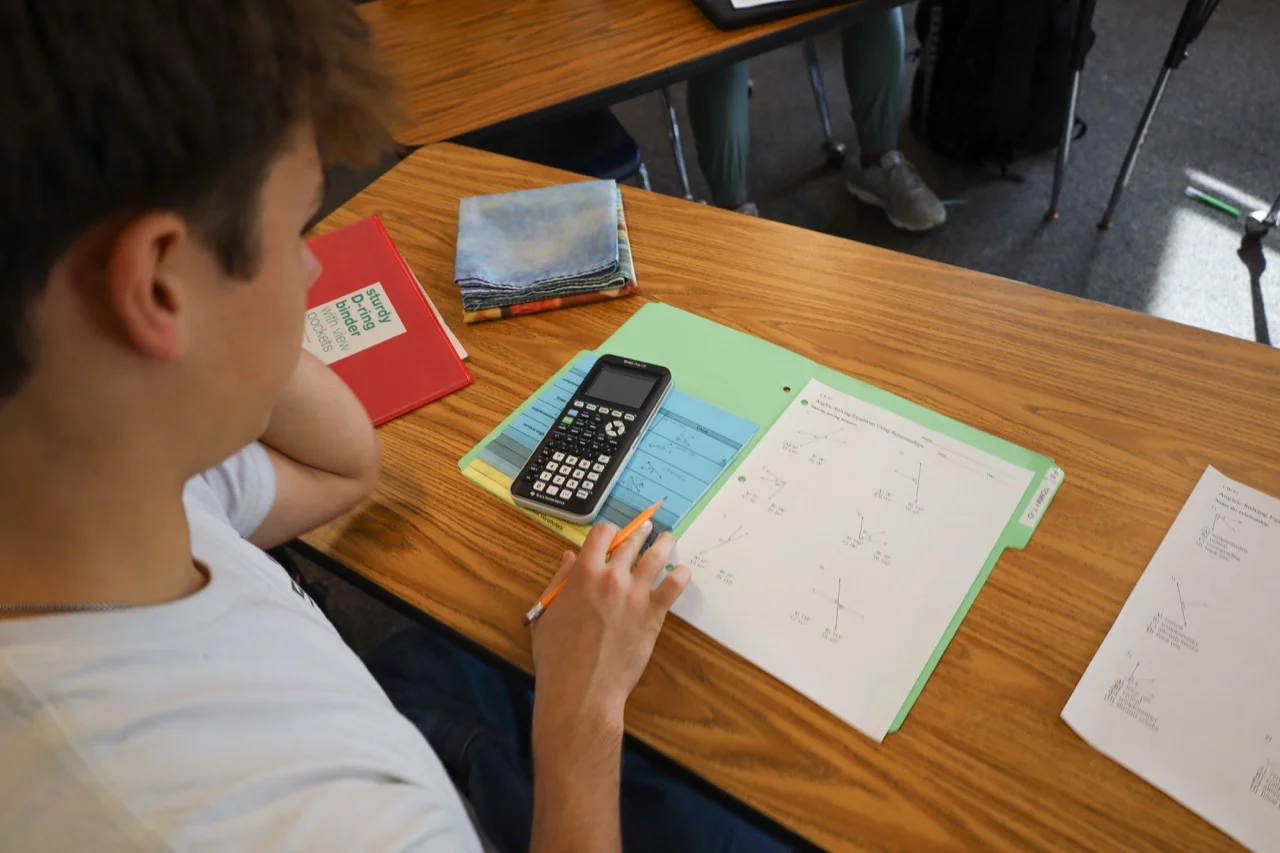
In Geometry, new vocabulary doesn’t get thrown at students all at once. Words like “linear pair” are broken down so students can figure out what they actually mean. Teachers model examples step by step, and students take clear, organized notes to follow the thinking. As they work through problems together, the vocabulary starts to connect to what they’re doing—so angles aren’t just words on a page, but ideas they can understand and use.
More From Landmark's Instagram
Literacy
Ecosystem
Science
Swalm Science Center
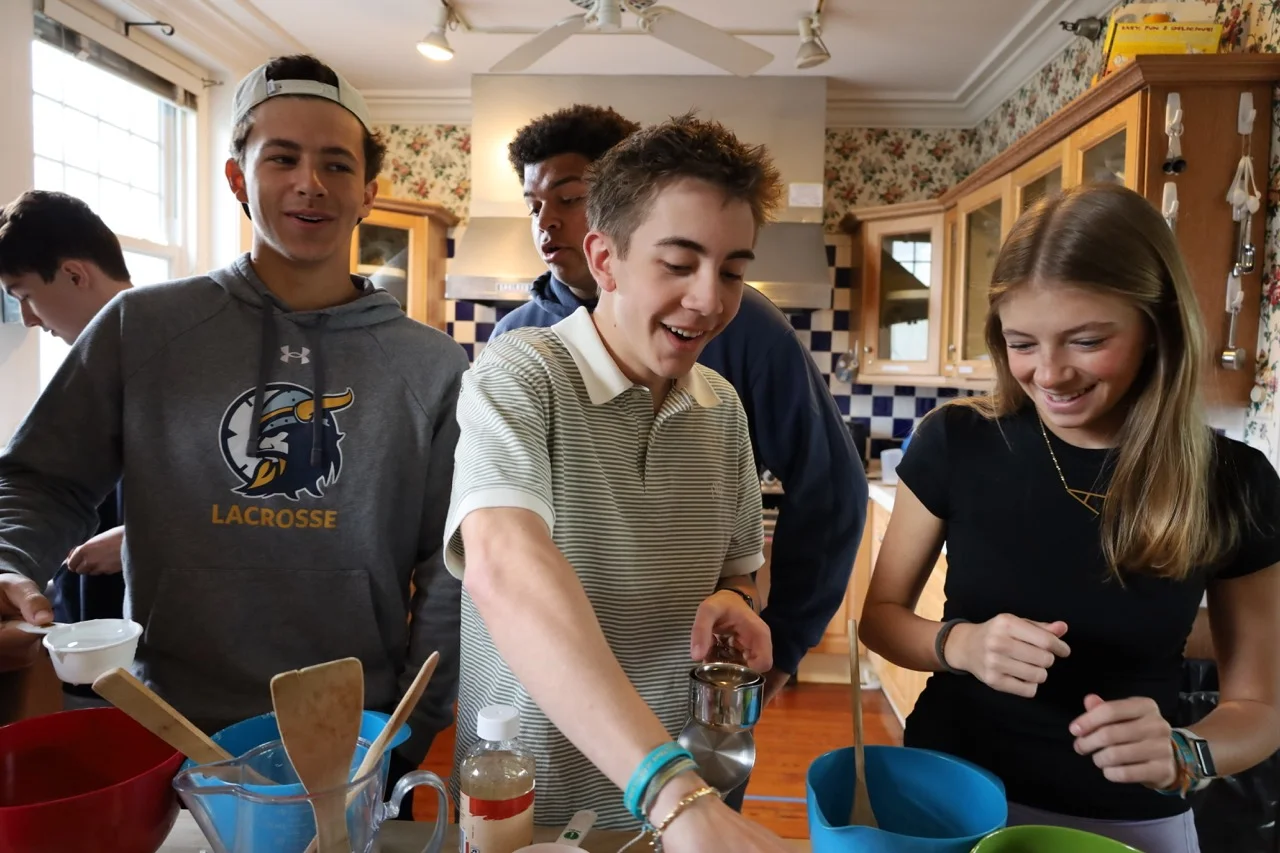
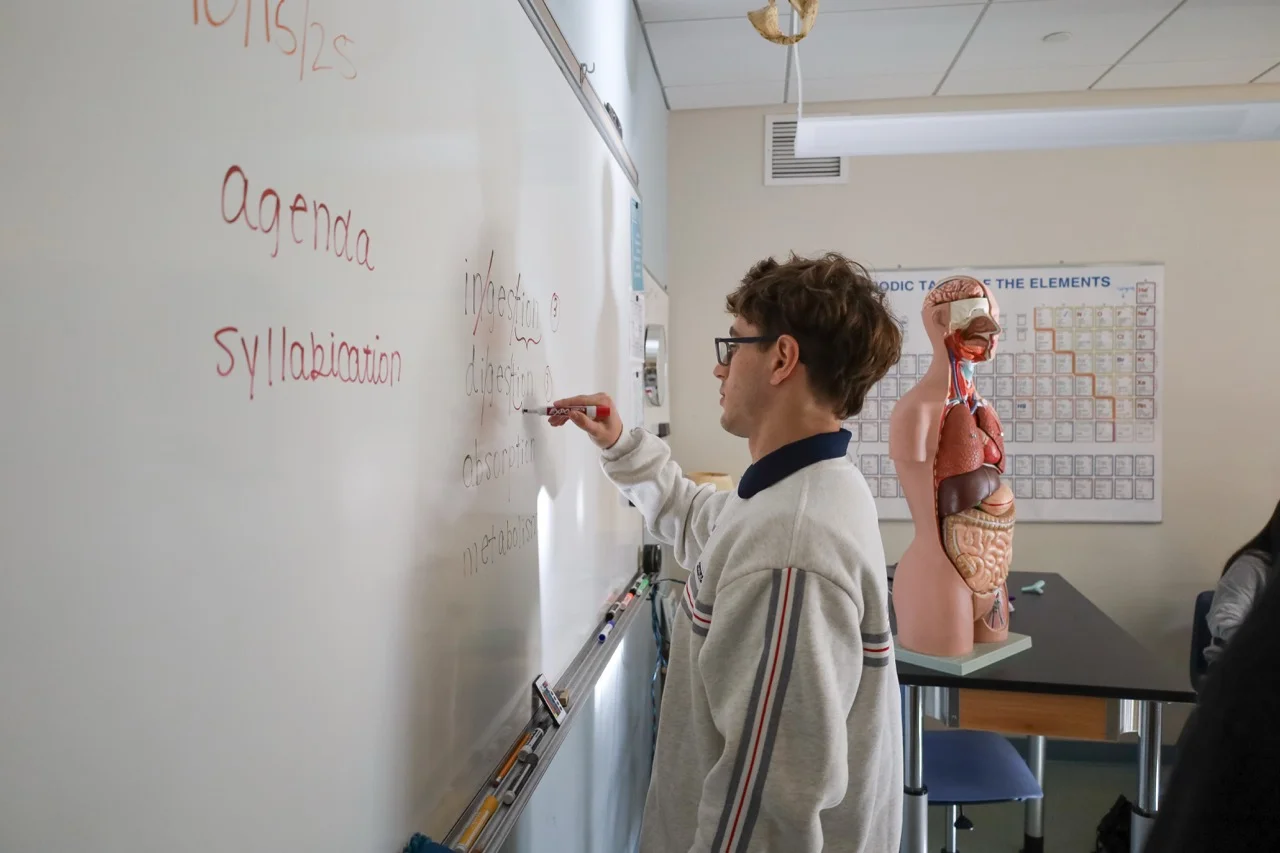
In Biochemistry of Food class, big science words don’t stay intimidating for long. Students break them apart into prefixes, roots, and suffixes to build their decoding skills. On Tuesdays, they take that learning into the kitchen, following lab directions as they make things like bread and pasta. Along the way, they record observations and write lab reports—building reading, vocabulary, and writing skills through real, hands-on work.
More From Landmark's Instagram
Literacy
Ecosystem
Study Skills
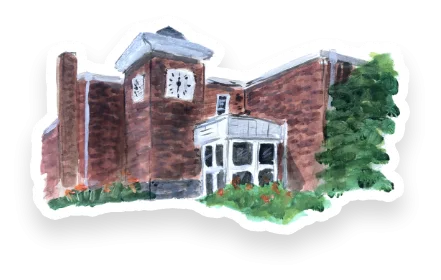
Murphy Academic Center
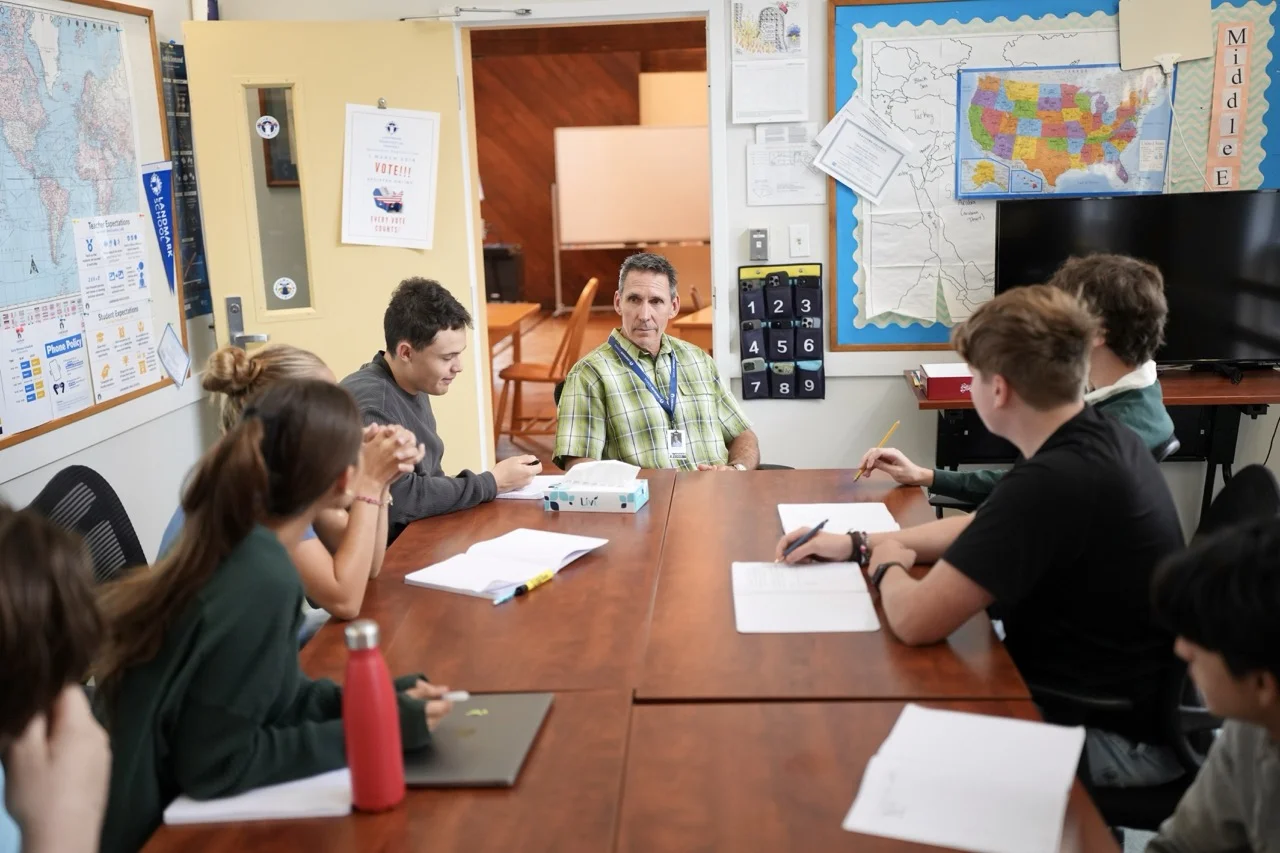
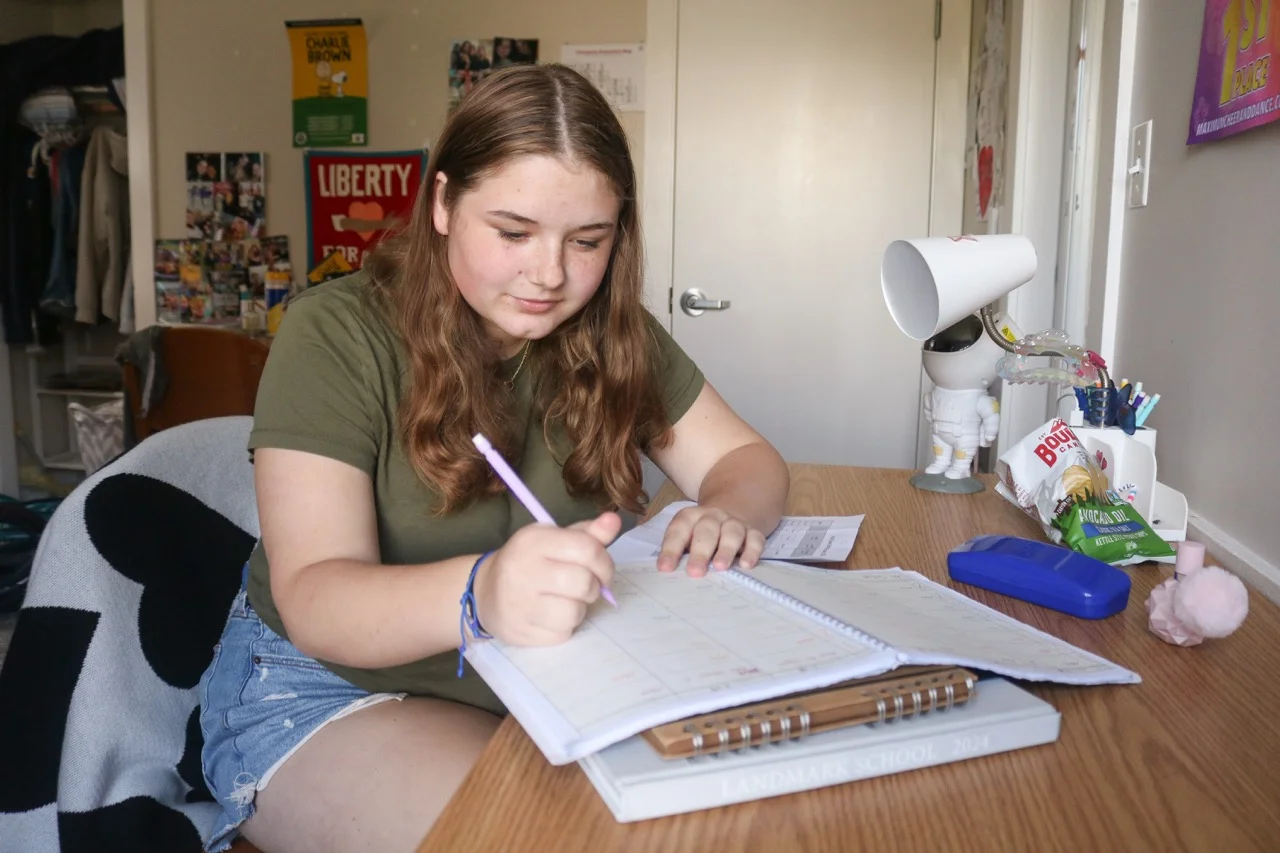
In Leadership and Character class, students take part in a “Mock College Experience.” Each student gets a profile that simulates real college life, then writes a plan for how they’ll handle academics, social life, and responsibilities. They also build a weekly schedule to stay organized. It’s a chance to practice reading, writing, planning, and problem-solving—all in a setting that feels real and relevant.
More From Landmark's Instagram
Literacy
Ecosystem
Theater
Performing Arts Center
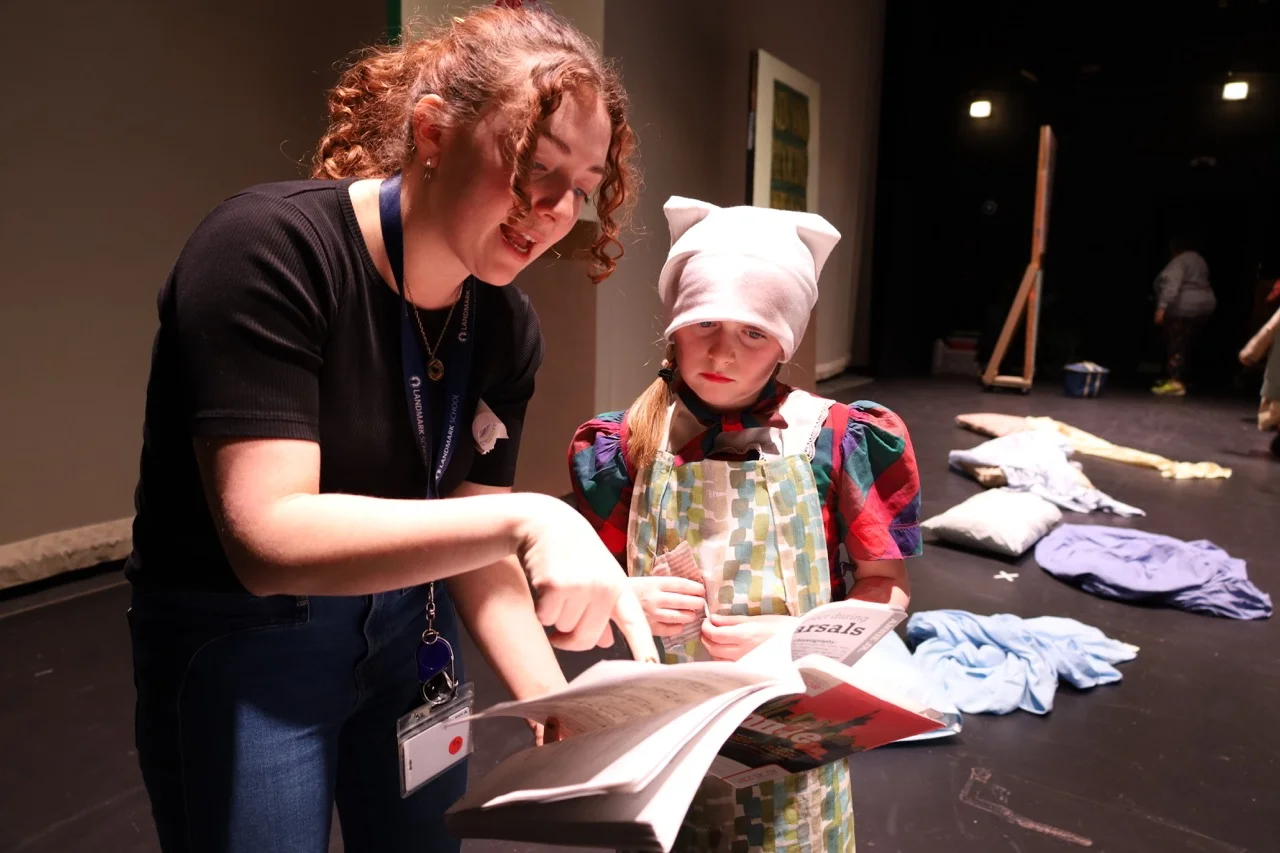
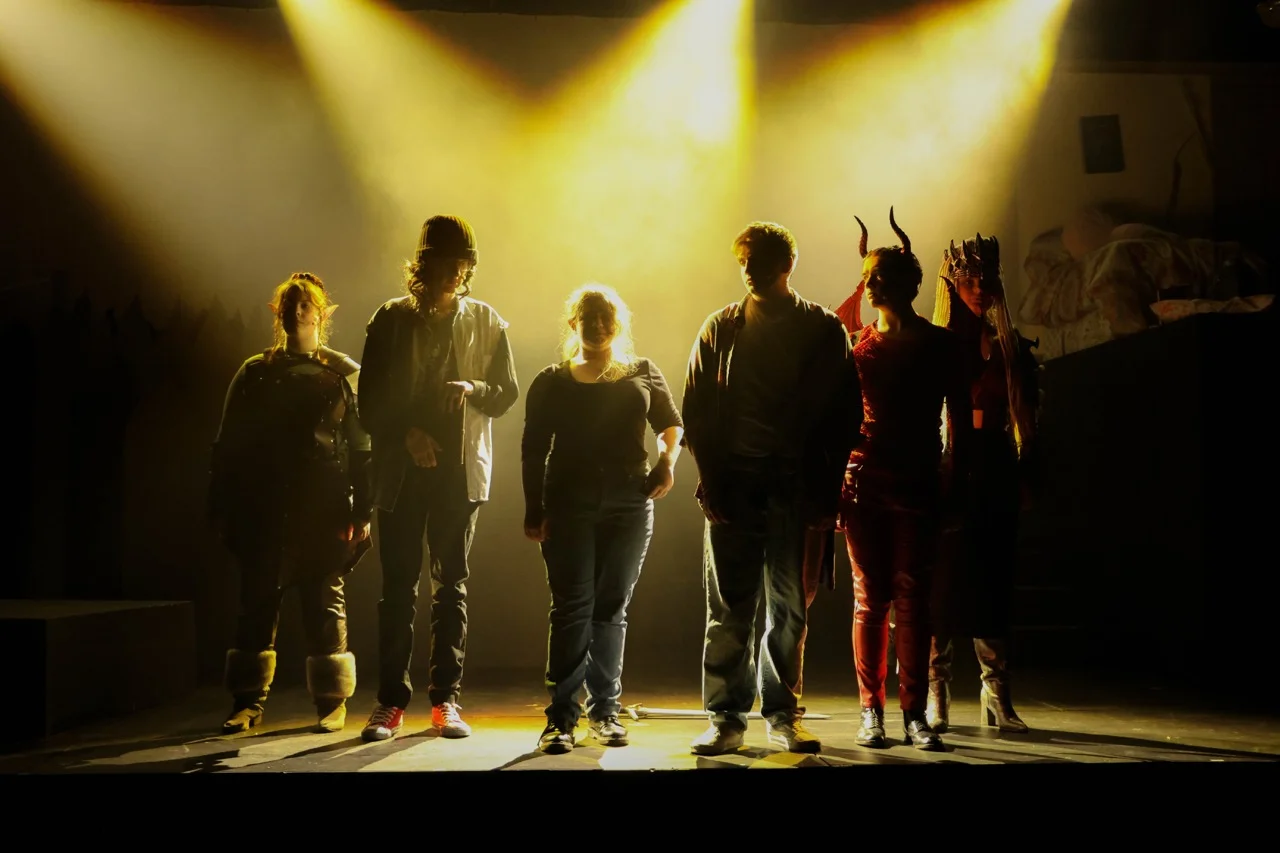
In Acting and Directing class, scripts become a way to practice reading and understanding language. Students break down tricky lines using syllabication and decoding strategies, talk through what they mean, and practice saying them out loud together. They read scripts more than once—first to figure out the words, then to understand the meaning, and finally to bring the character to life. By the time they are on stage, they’re not just reading—they’re performing.
More From Landmark's Instagram
Literacy
Ecosystem
Visual Arts
Visual Arts
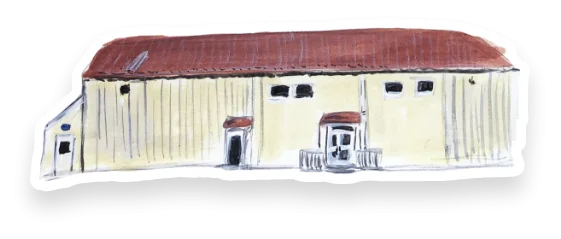
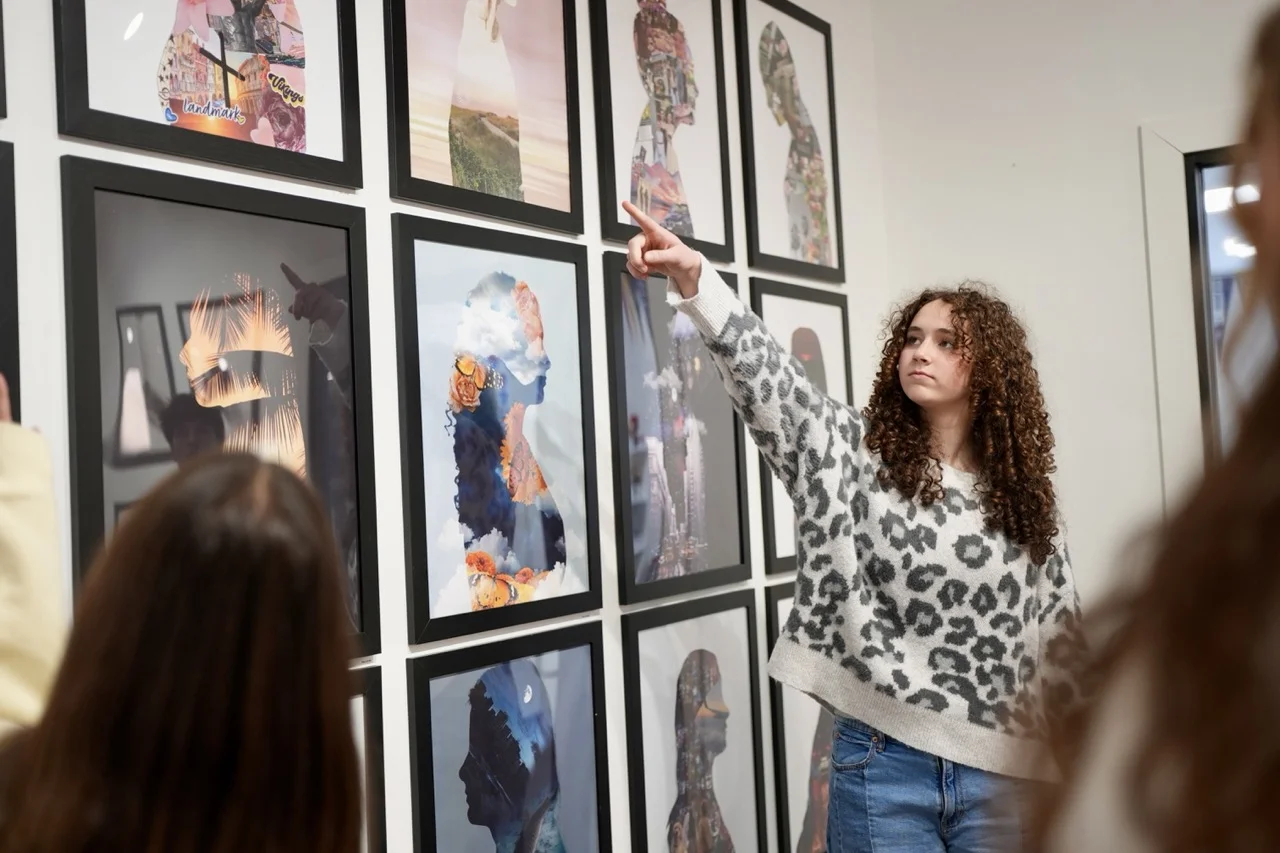
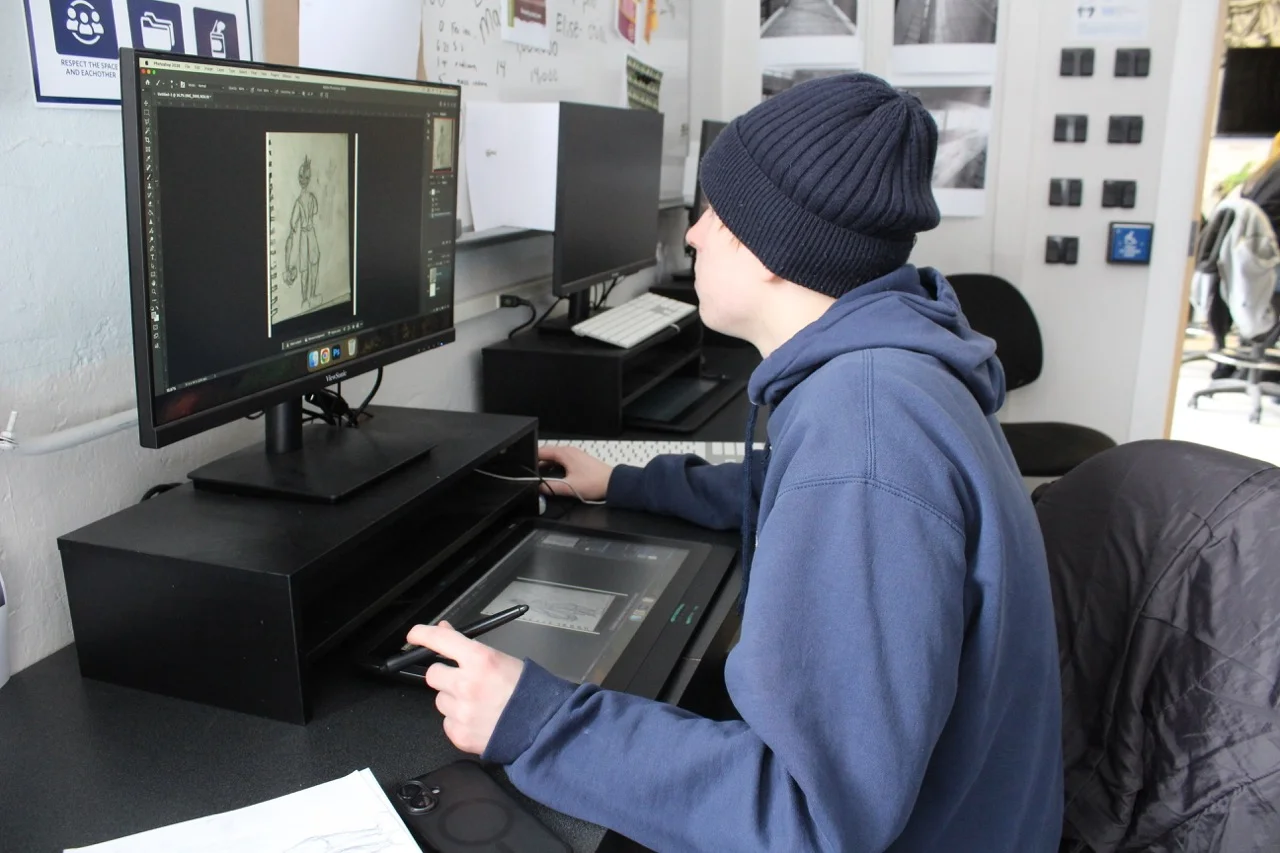
In Digital Art & Design, students learn that visuals are a kind of language, too. As they design logos for their portfolios, they follow step-by-step directions, learn new tech vocabulary, and keep their digital files organized. During peer critiques, they practice giving and using feedback clearly. It’s all about communicating ideas—through images, words, and design choices.
More From Landmark's Instagram
Literacy
Ecosystem
Integrated Literacy
Lopardo Center
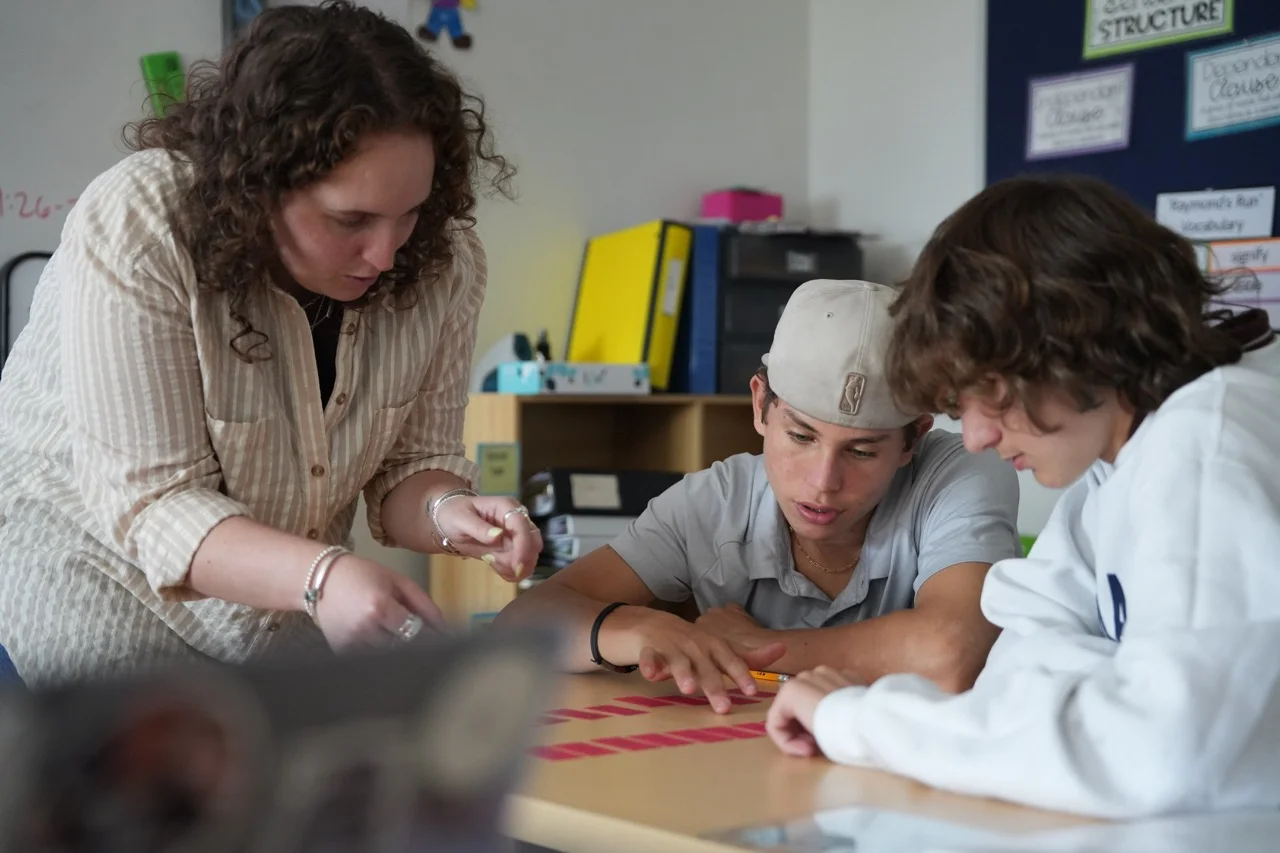
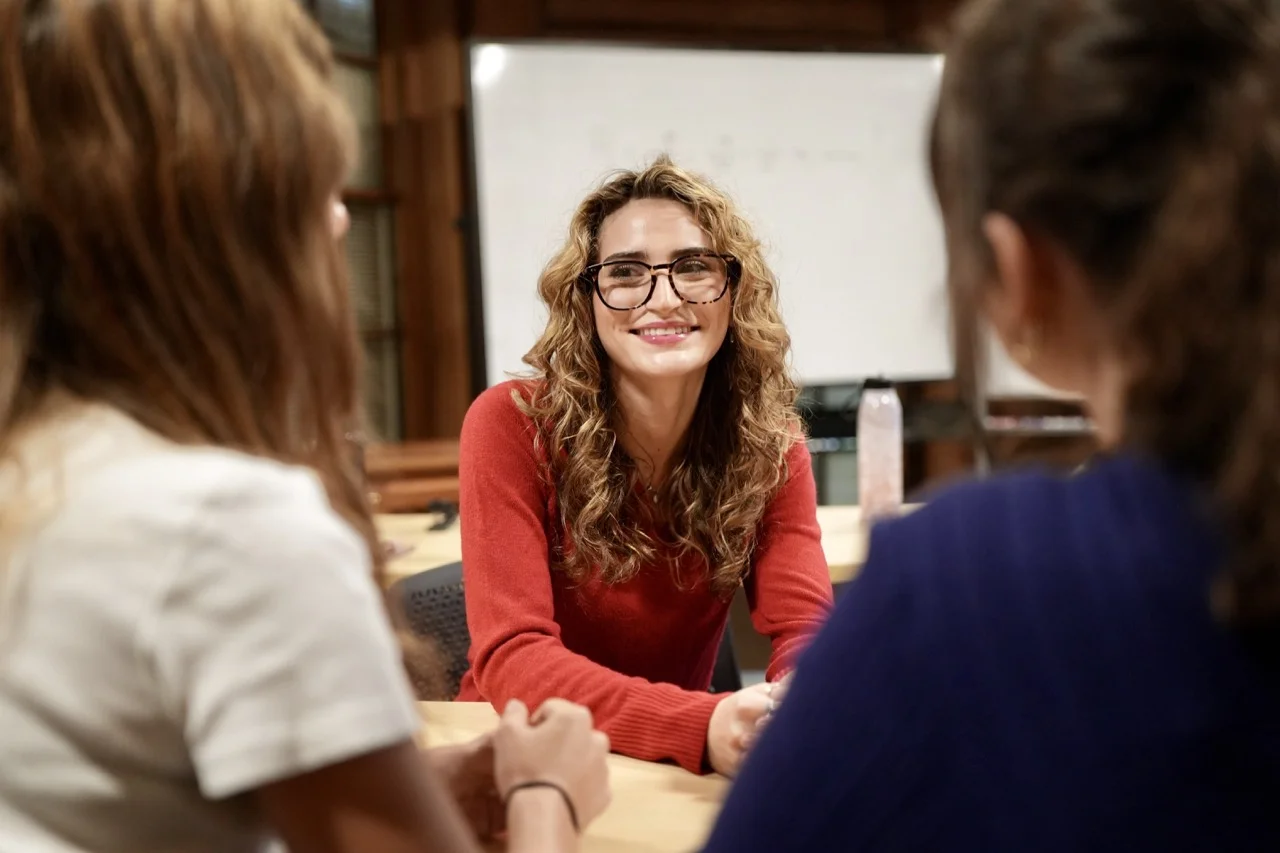
Ever wonder why you feel tired, stressed, or wide awake at the wrong time? In Health & Society, students explore topics like sleep and stress while building reading and vocabulary skills. They tackle interesting articles, learn words like circadian rhythm and eustress, and pull together key ideas to create projects that turn information into something useful and easy to share.
More From Landmark's Instagram
Literacy
Ecosystem
Dual Enrollment
Drake Welcome Center
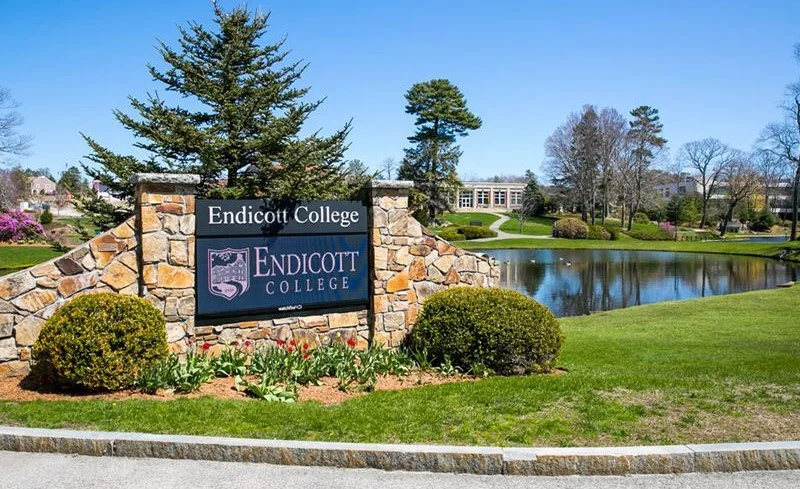
College starts before graduation for Landmark students in Dual Enrollment. Endicott College professors come right to Landmark’s campus, teaching classes in the Drake Conference Room while students earn both high school and college credit. Along the way, students build the academic skills, confidence, and self-advocacy needed to succeed in college—and get a taste of what higher education is really like.
More From Landmark's Instagram
Literacy
Ecosystem
Horticulture
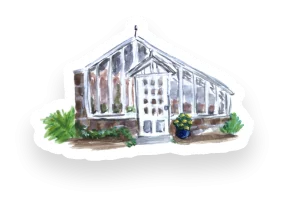
Greenhouse
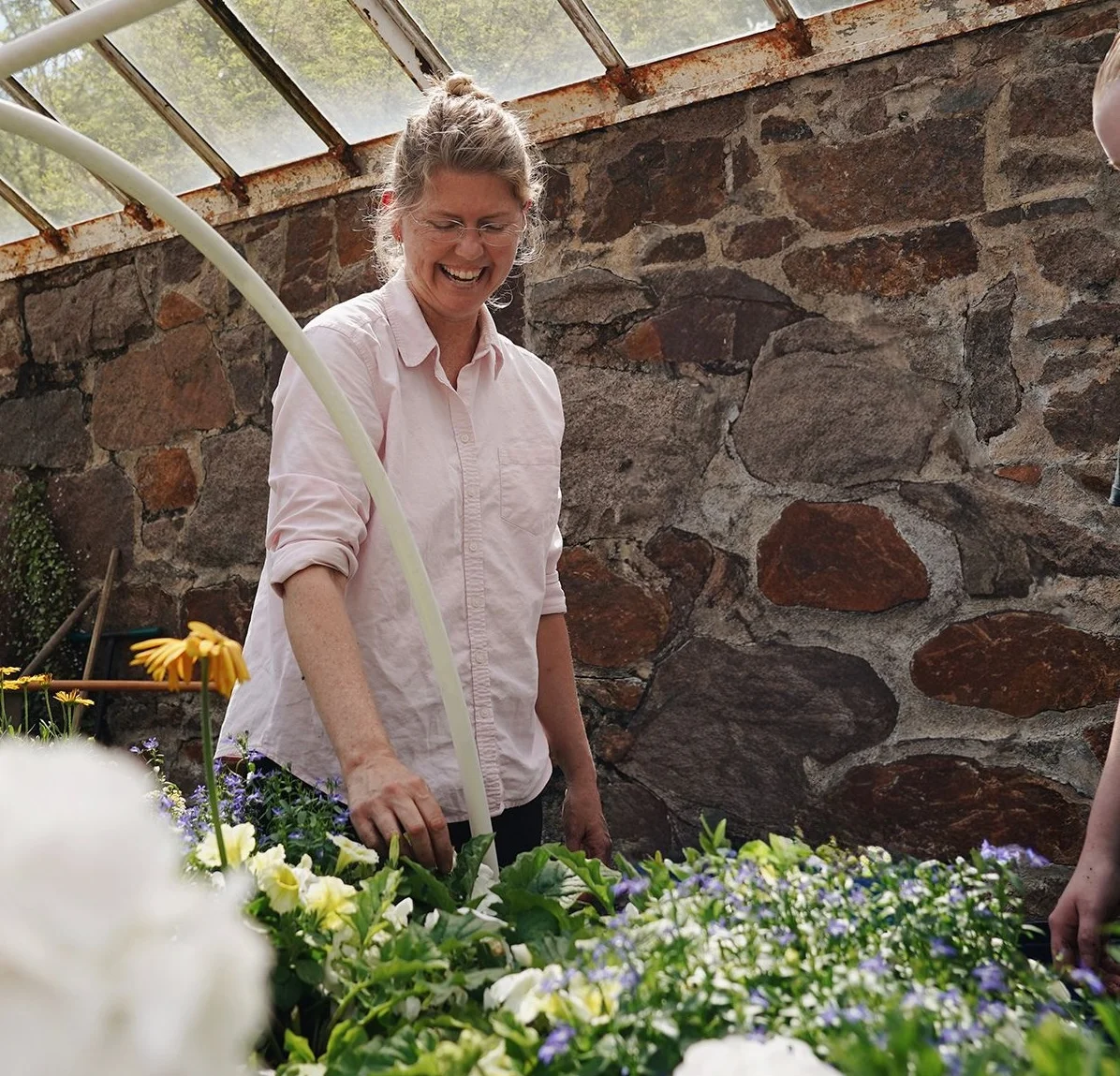
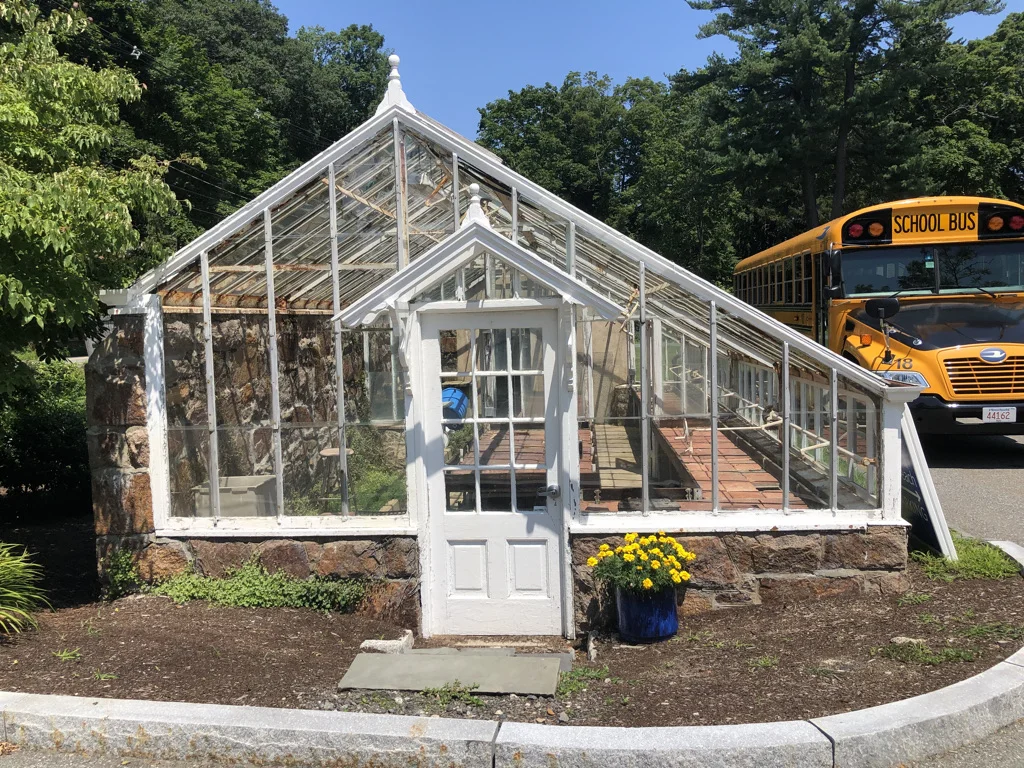
The greenhouse is more than a place to grow plants—it's a place to grow knowledge. In Plant Science and Horticulture, students get their hands dirty planting vegetables, flowers, and native trees while exploring how plants work. Along the way, they learn the language of botany by decoding scientific plant names and root words, building vocabulary skills that help them make sense of the natural world.
More From Landmark's Instagram
Literacy
Ecosystem
Industrial Arts
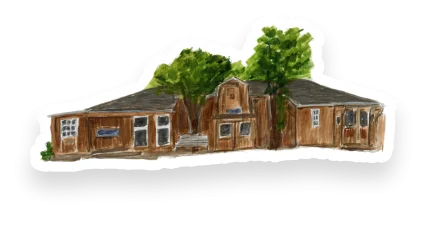
Woodshop
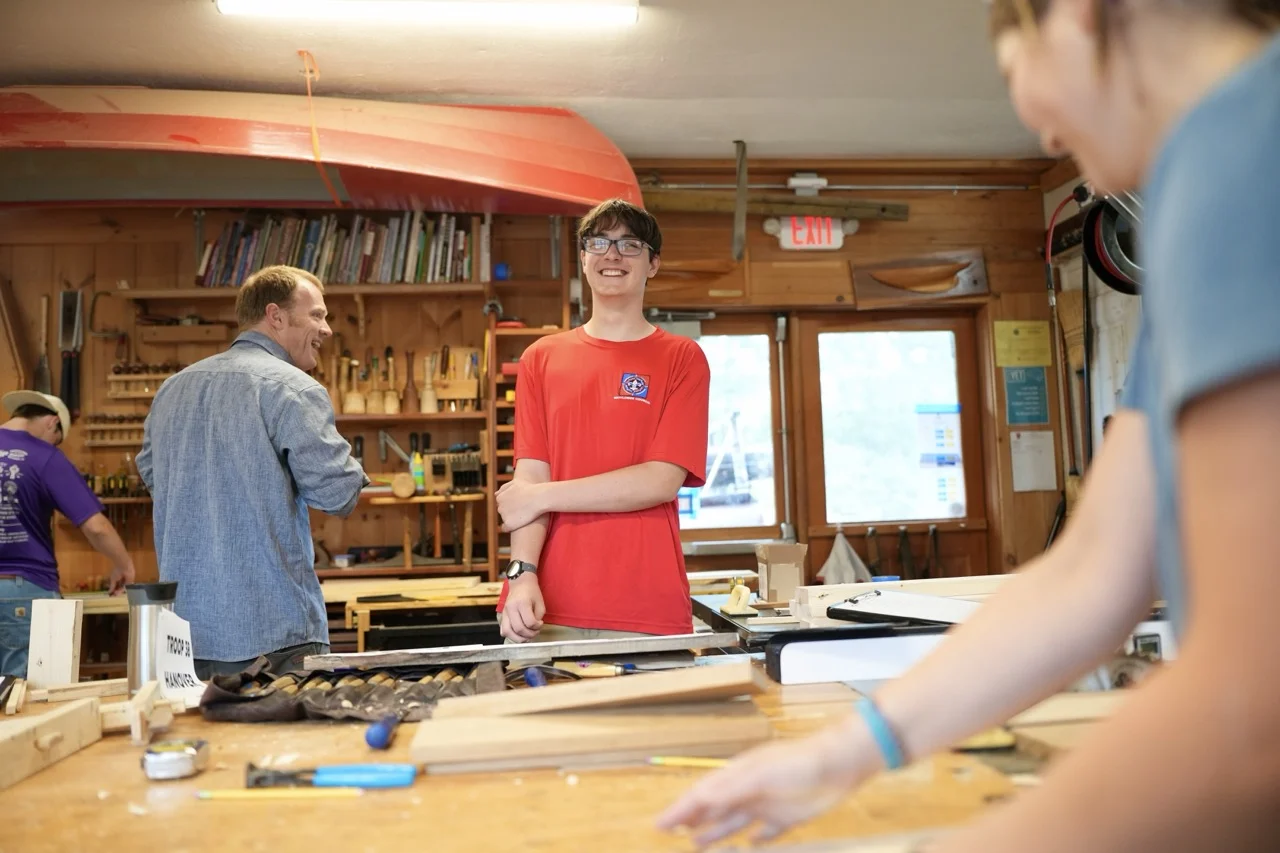
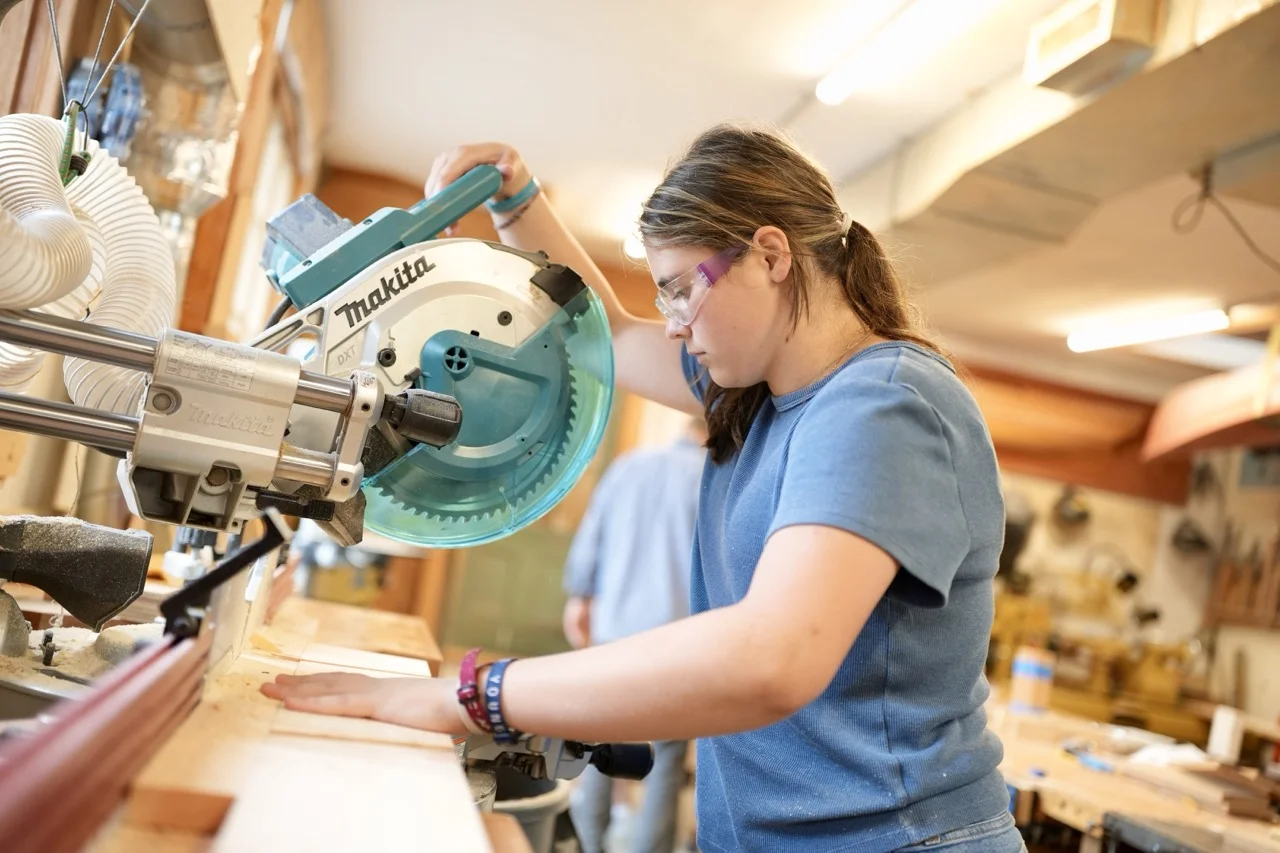
In Woodworking, students turn raw lumber into projects they can actually use—and be proud of. As they build everything from benches to furniture, they learn the language of the workshop, mastering terms like mortise and tenon while reading plans, following detailed directions, and measuring with precision. With every project, students strengthen attention to detail, problem-solving skills, and confidence as they bring their ideas to life.
More From Landmark's Instagram
Literacy
Ecosystem
History
Dudley Classroom Building
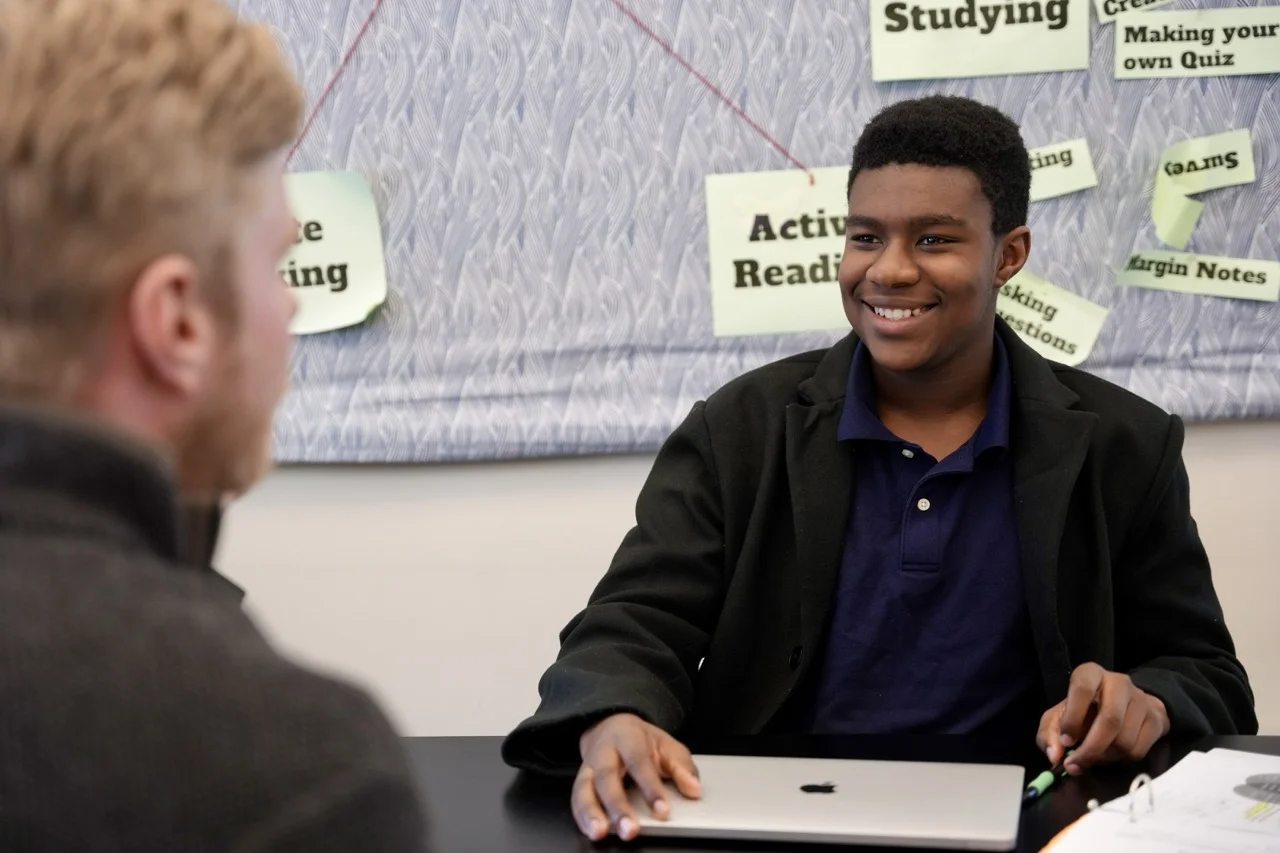
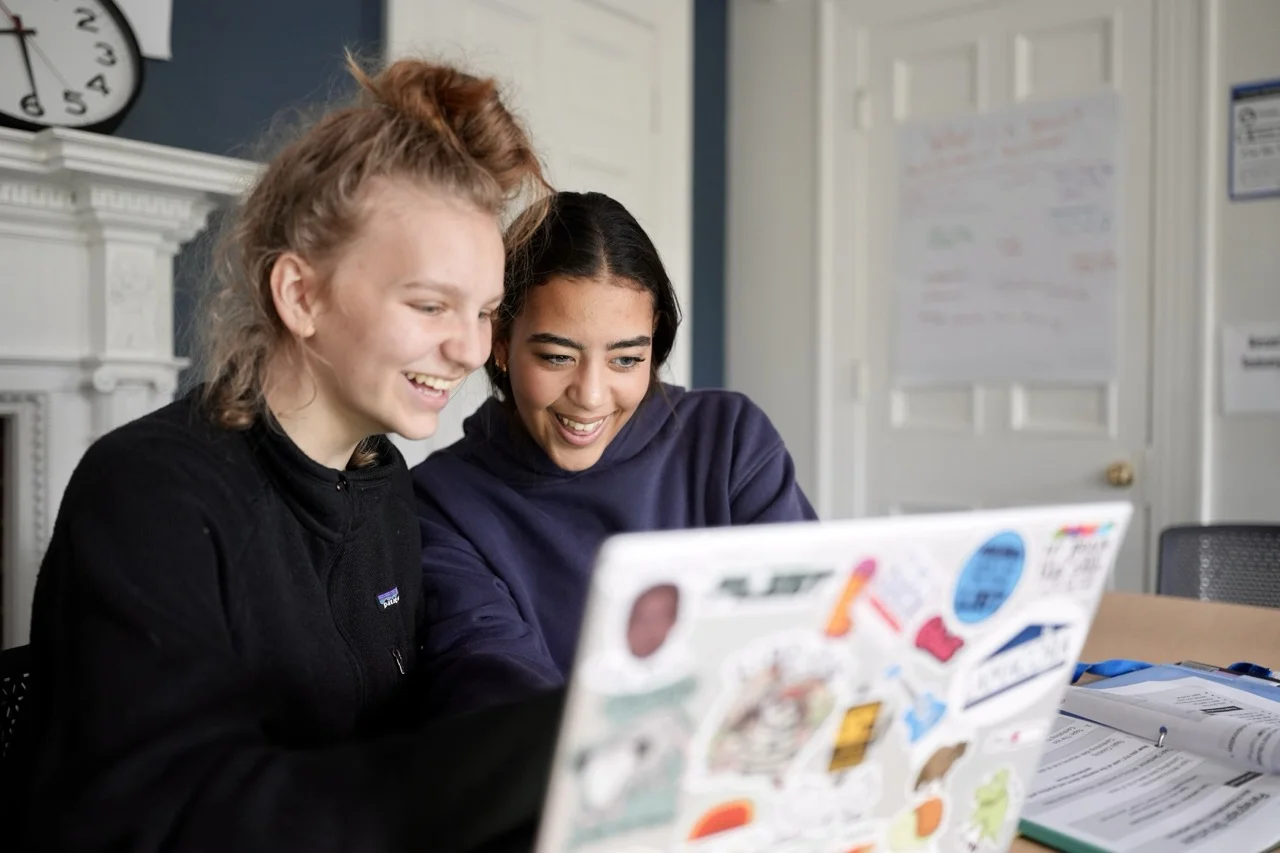
In Multi-Cultural World, students bring history to life by creating their own graphic novels based on real events. As they write and design their stories, they build vocabulary and strengthen their ability to explain ideas clearly through both words and images. With the freedom to choose their topics and shape their narratives, students take ownership of their learning. Along the way, they practice important executive function skills—like managing their time, organizing their ideas and materials, and seeing a project through from start to finish.
More From Landmark's Instagram
Literacy
Ecosystem
Athletics
Ansara Athletic Center
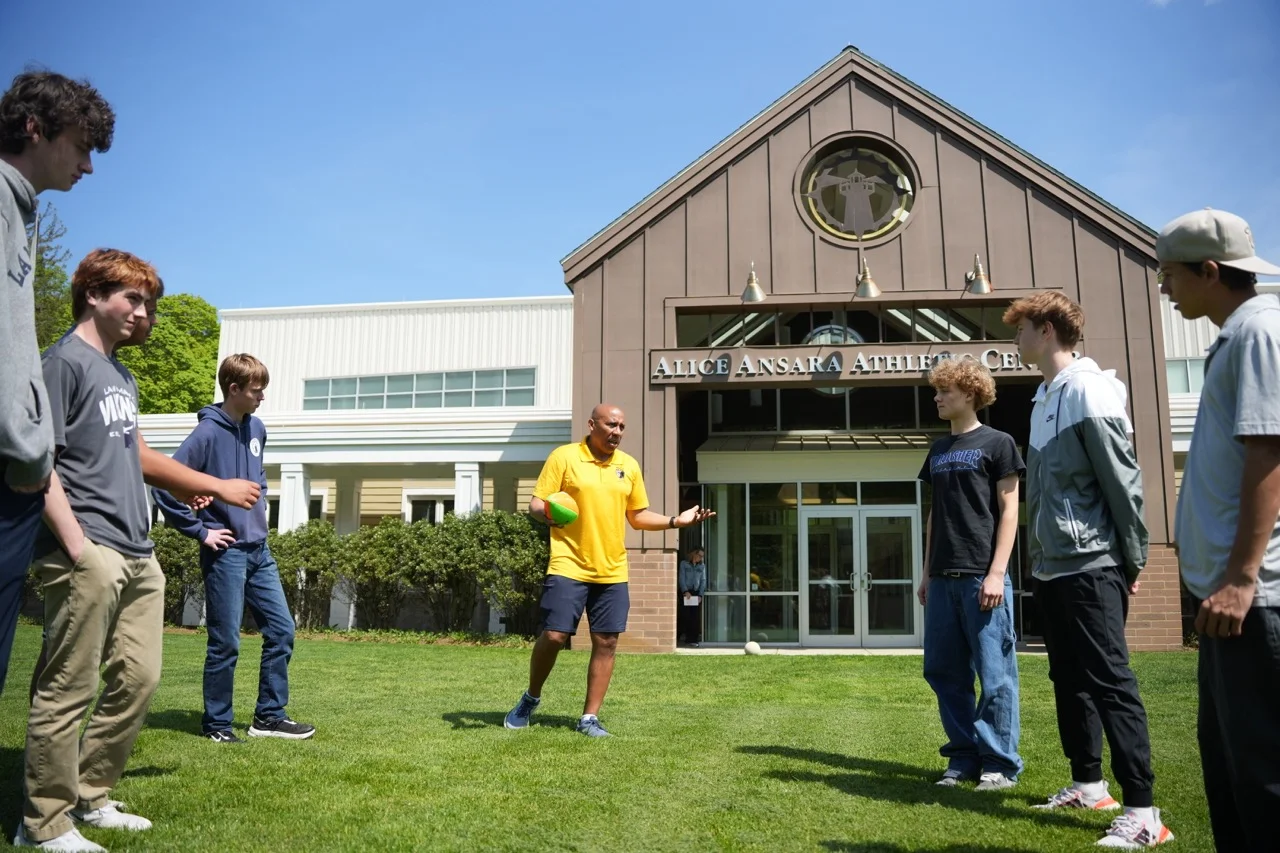
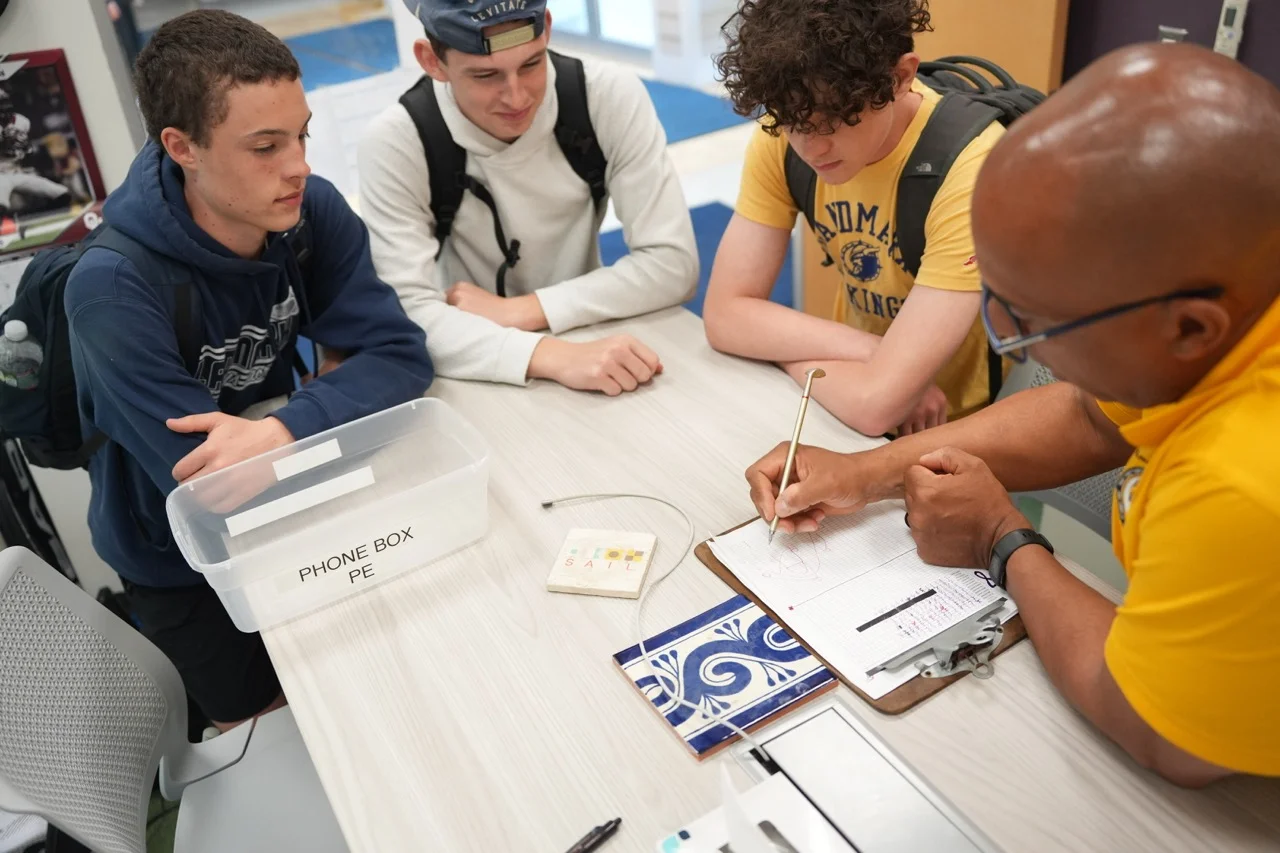
At practice, learning a new drill isn’t always simple—but coaches at Landmark know how to break it down. Because they’re also teachers, they take complex skills and turn them into small, manageable steps. Athletes practice one movement at a time, using visual cues like tape on the floor or cones on the field to guide them. Step by step, they build both athletic skills and executive function strategies like planning, sequencing, and staying focused.
More From Landmark's Instagram
Literacy
Ecosystem
Tutorial
Alexander Tutorial Center
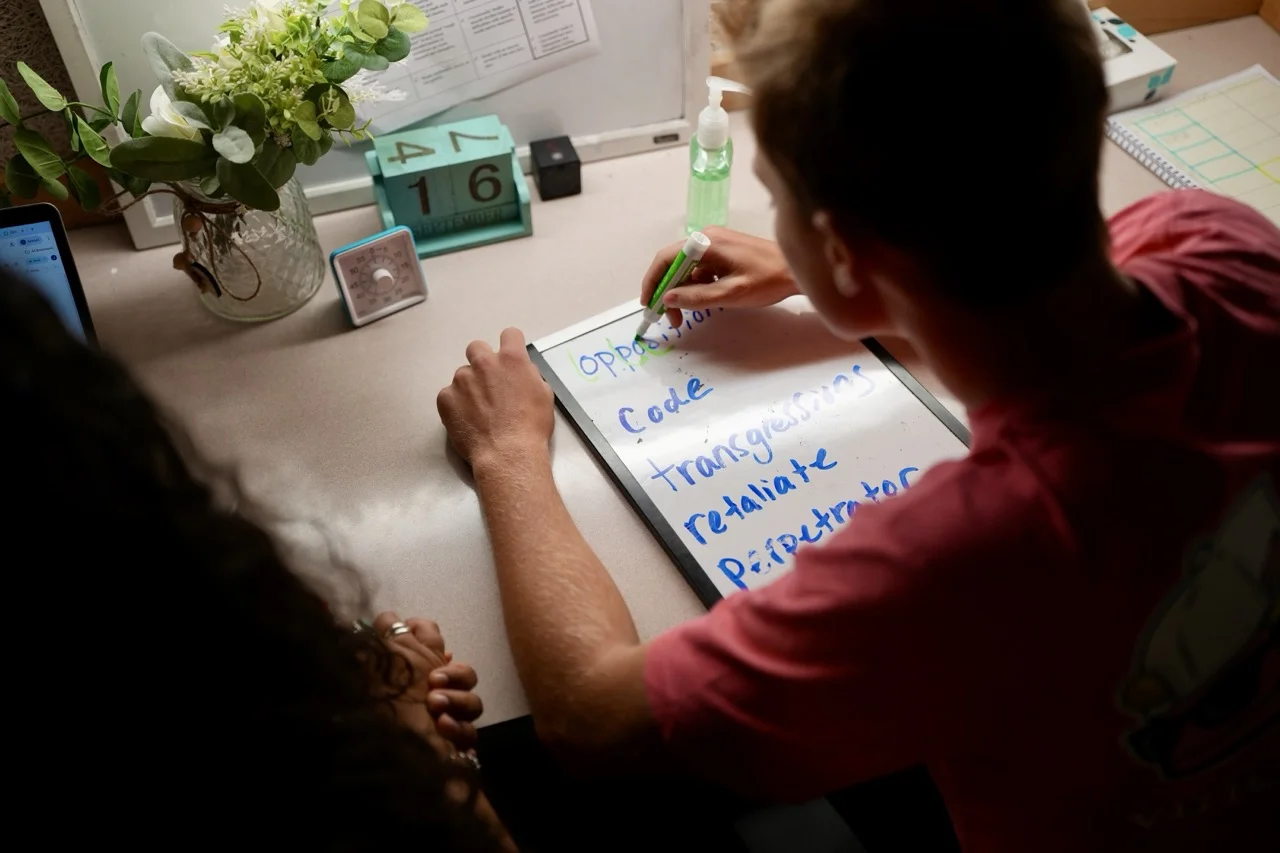
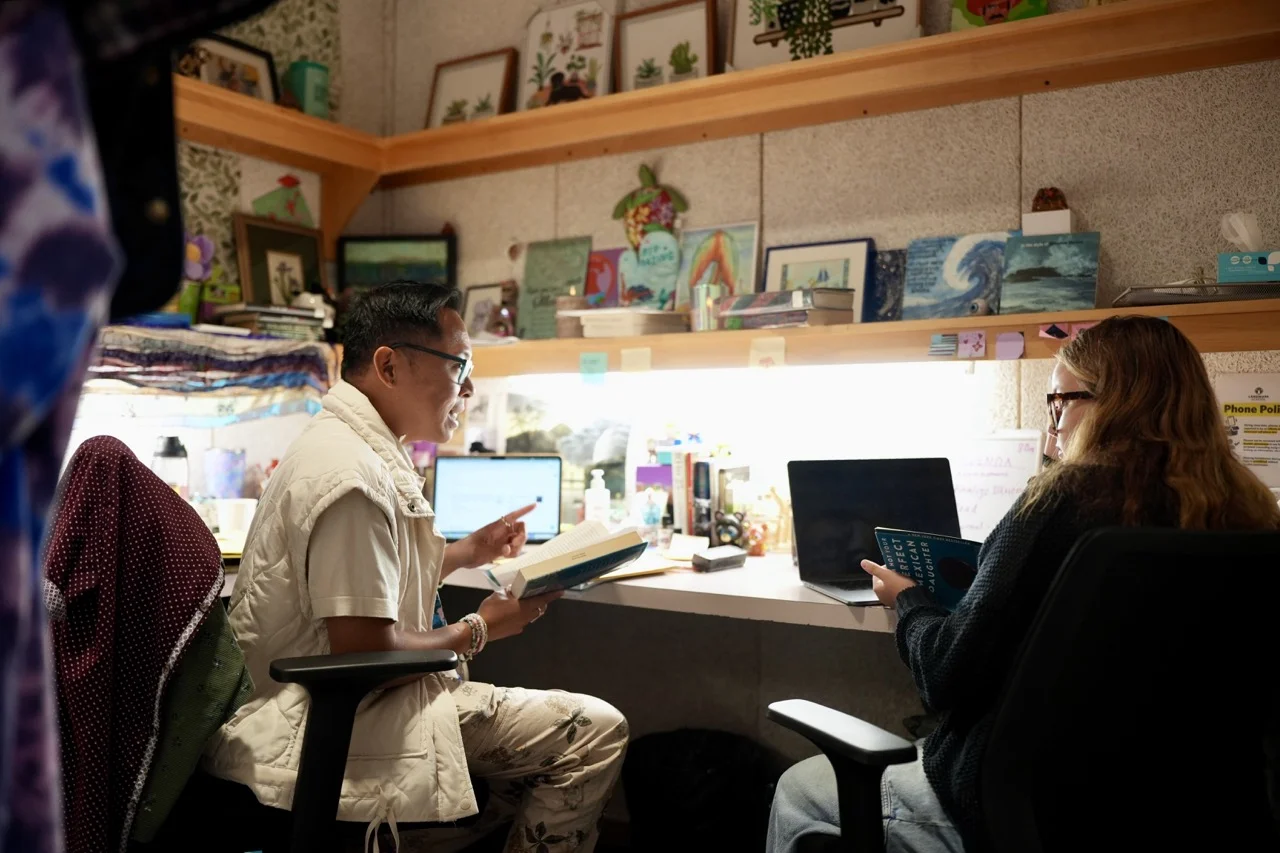
In Tutorial, students become word detectives—breaking down words (decoding) and building them back up (encoding) to understand how language really works. They explore patterns, word parts, and meaning, then put those skills to use while reading novels they actually want to read. As they ask questions and dig deeper into their books, they build background knowledge and share their thinking through writing—growing as confident, curious readers.
More From Landmark's Instagram
Literacy
Ecosystem
On the Road
Boston and Beyond
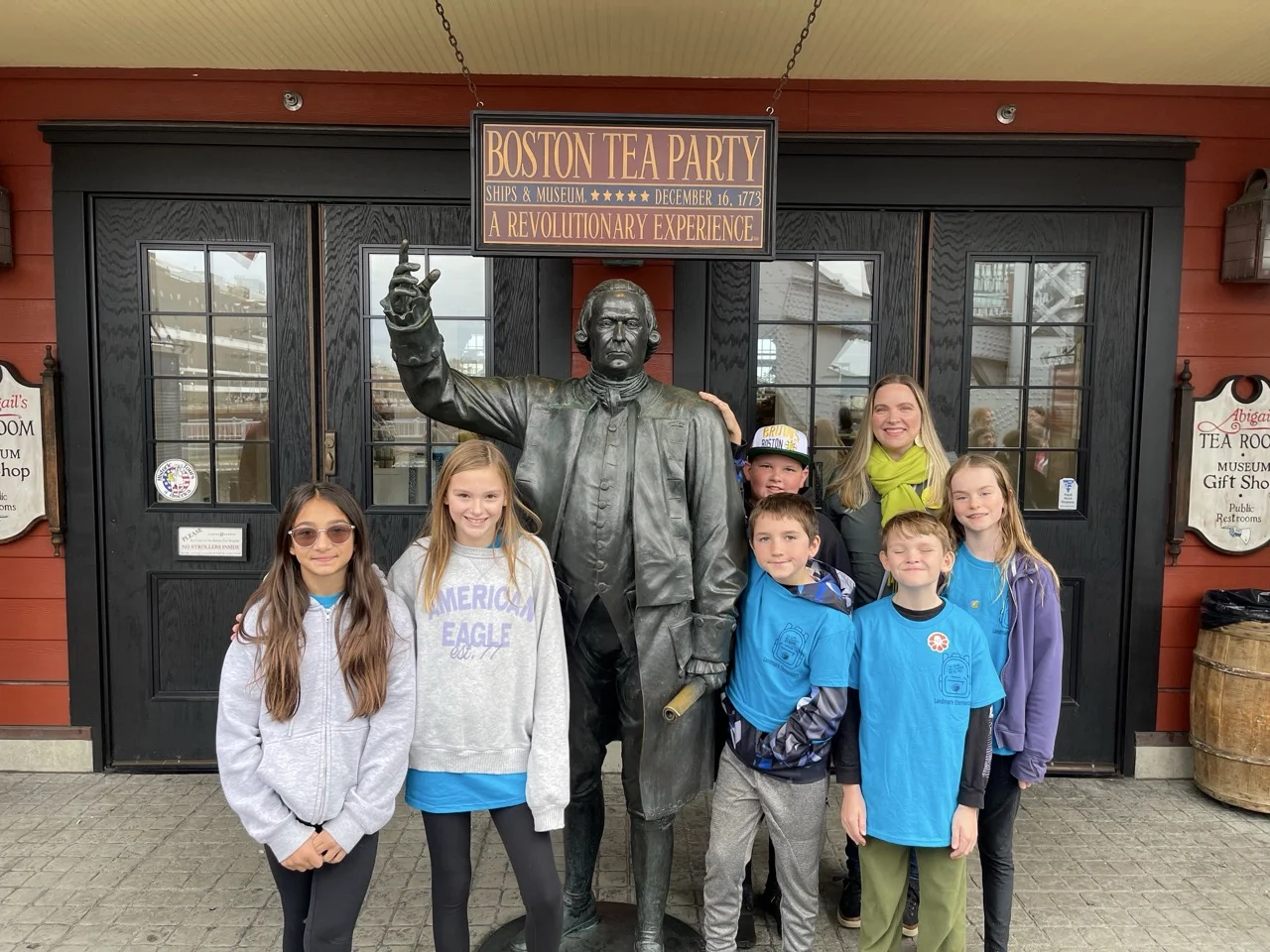
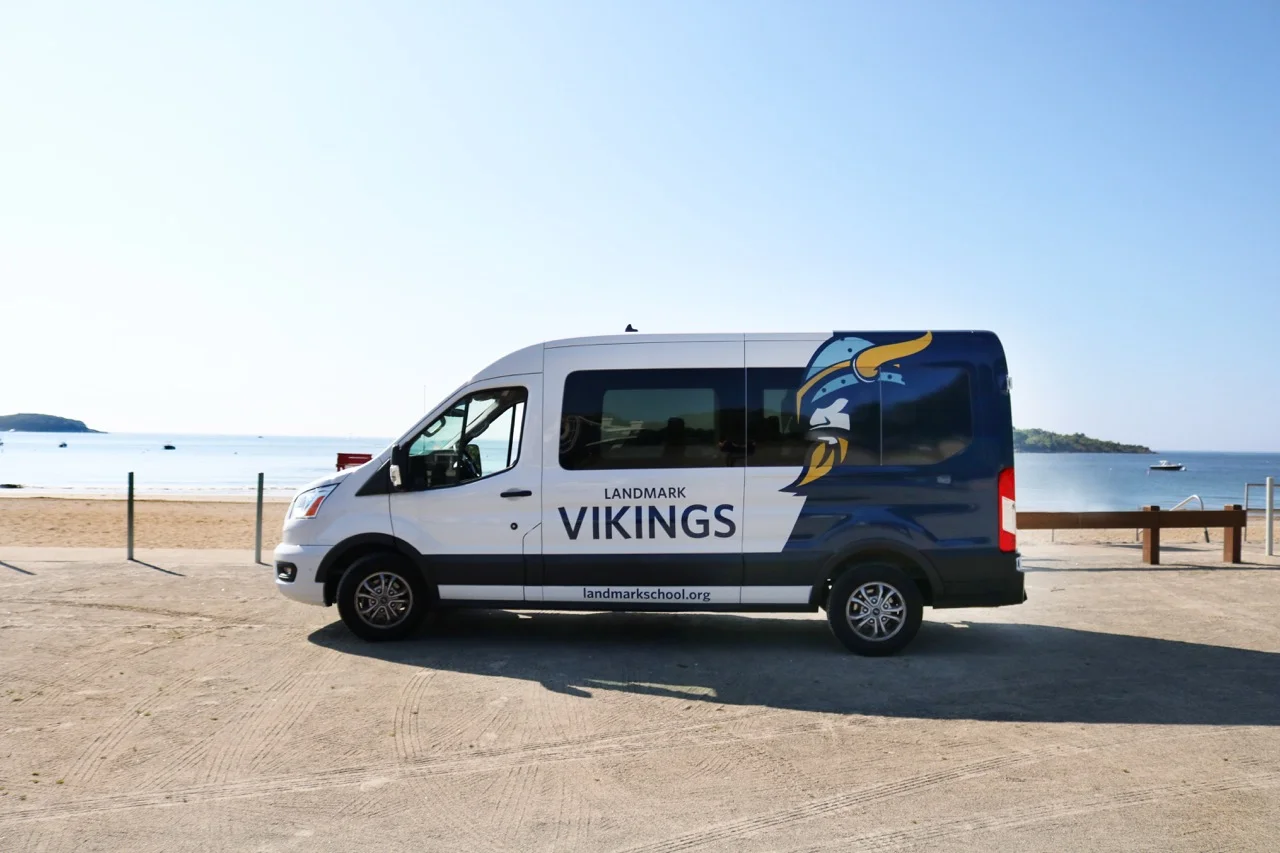
Being so close to Boston, we have history and culture at our fingertips. Students might visit places like the Boston Tea Party, connecting what they’re reading to real locations and history. Seeing the setting of a story firsthand helps bring it to life, making it easier to understand the language, themes, and ideas behind the text.
More From Landmark's Instagram
Literacy
Ecosystem
Dorm Life
Bain, Williston, Porter, Lopardo 1 & 2
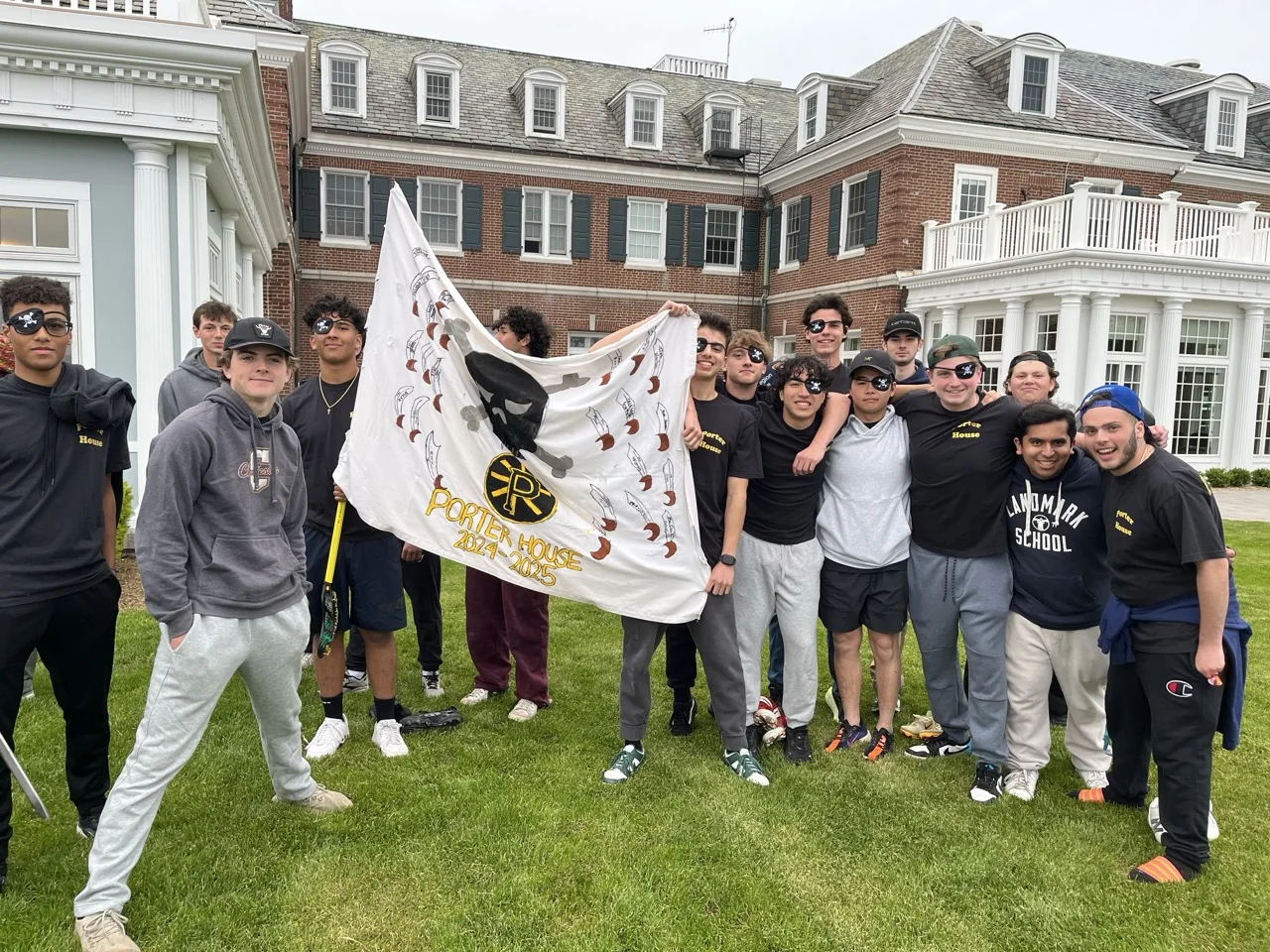
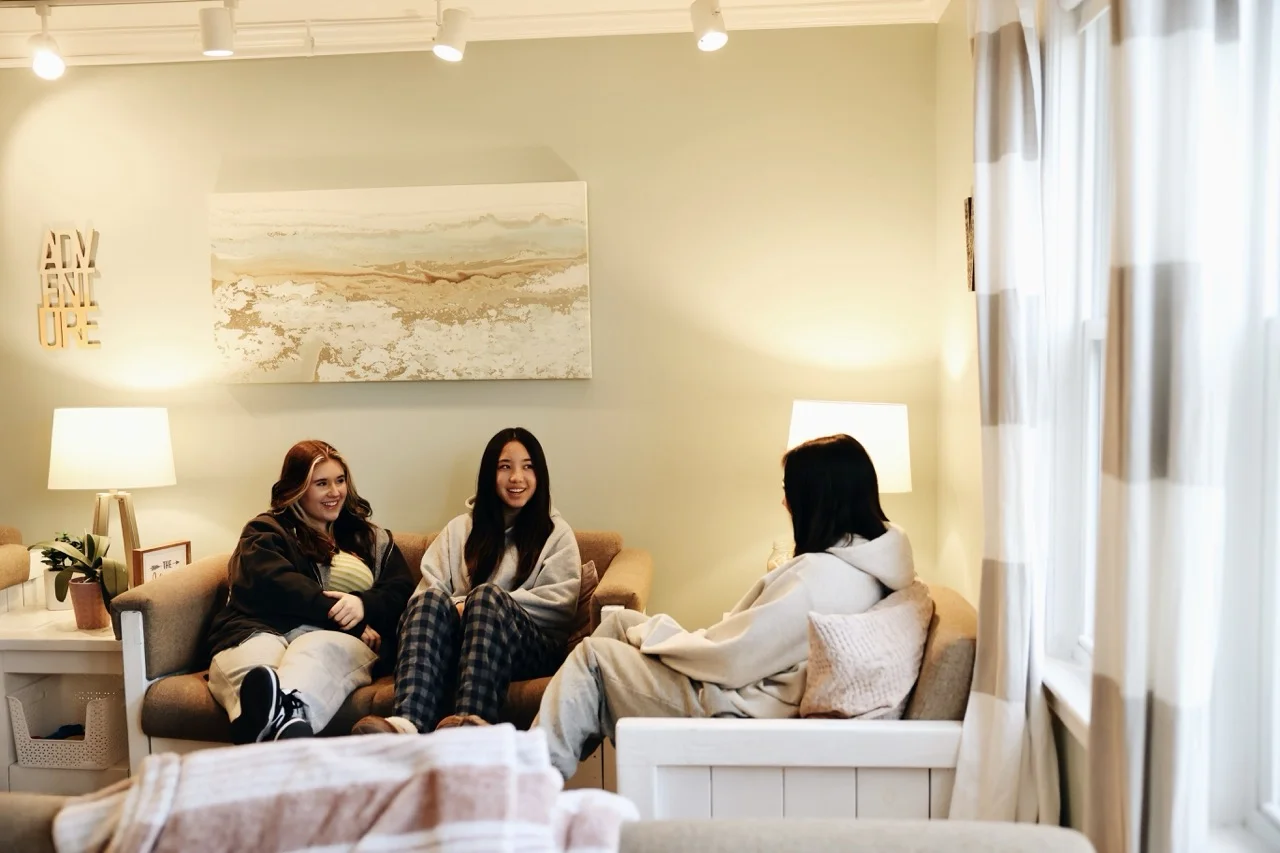
In the dorms, students practice real-life skills every day. Planning something like a dorm activity night means breaking a big idea into steps—signing people up, shopping for supplies, and communicating with others. Along the way, students reflect on their growth and take more ownership of their time and responsibilities, building independence that carries into school and beyond.
More From Landmark's Instagram
Literacy
Ecosystem
Tutorial
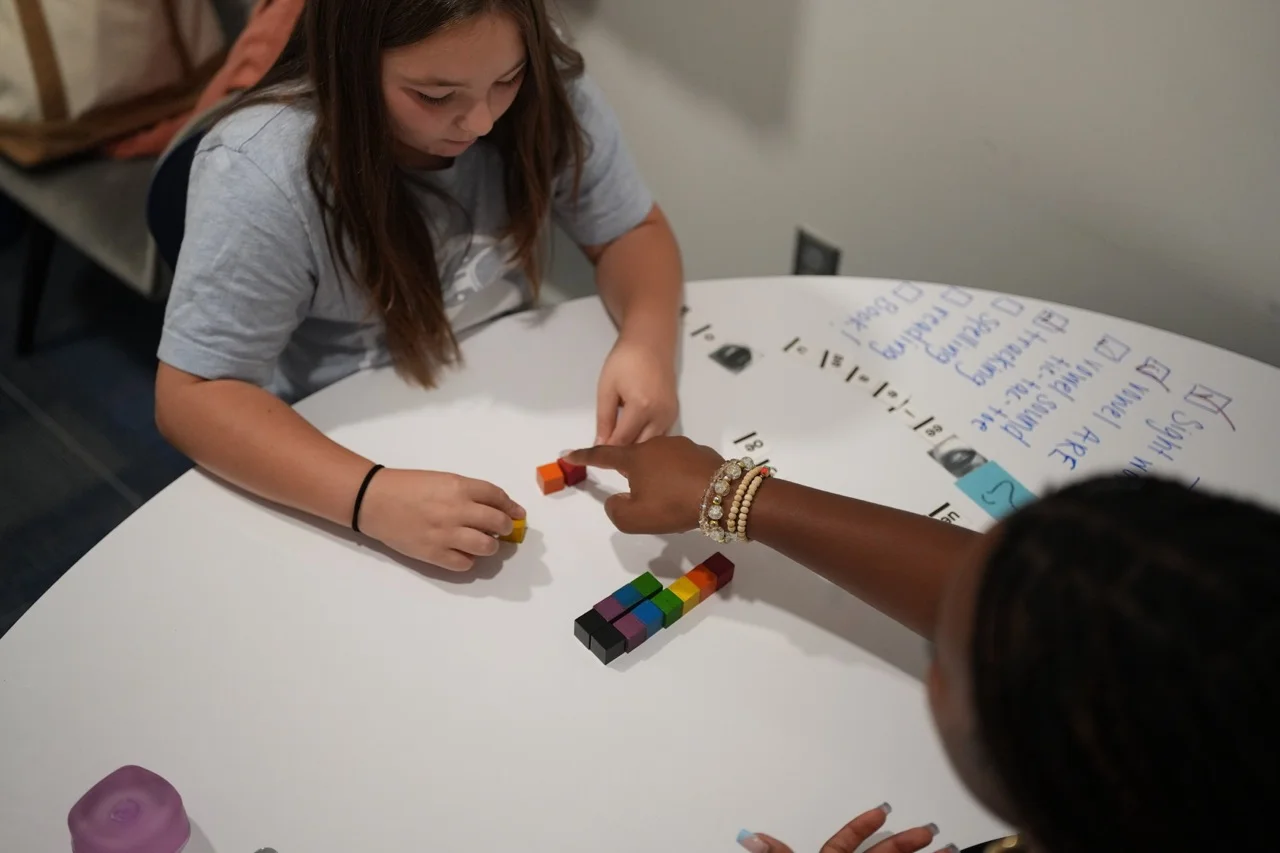
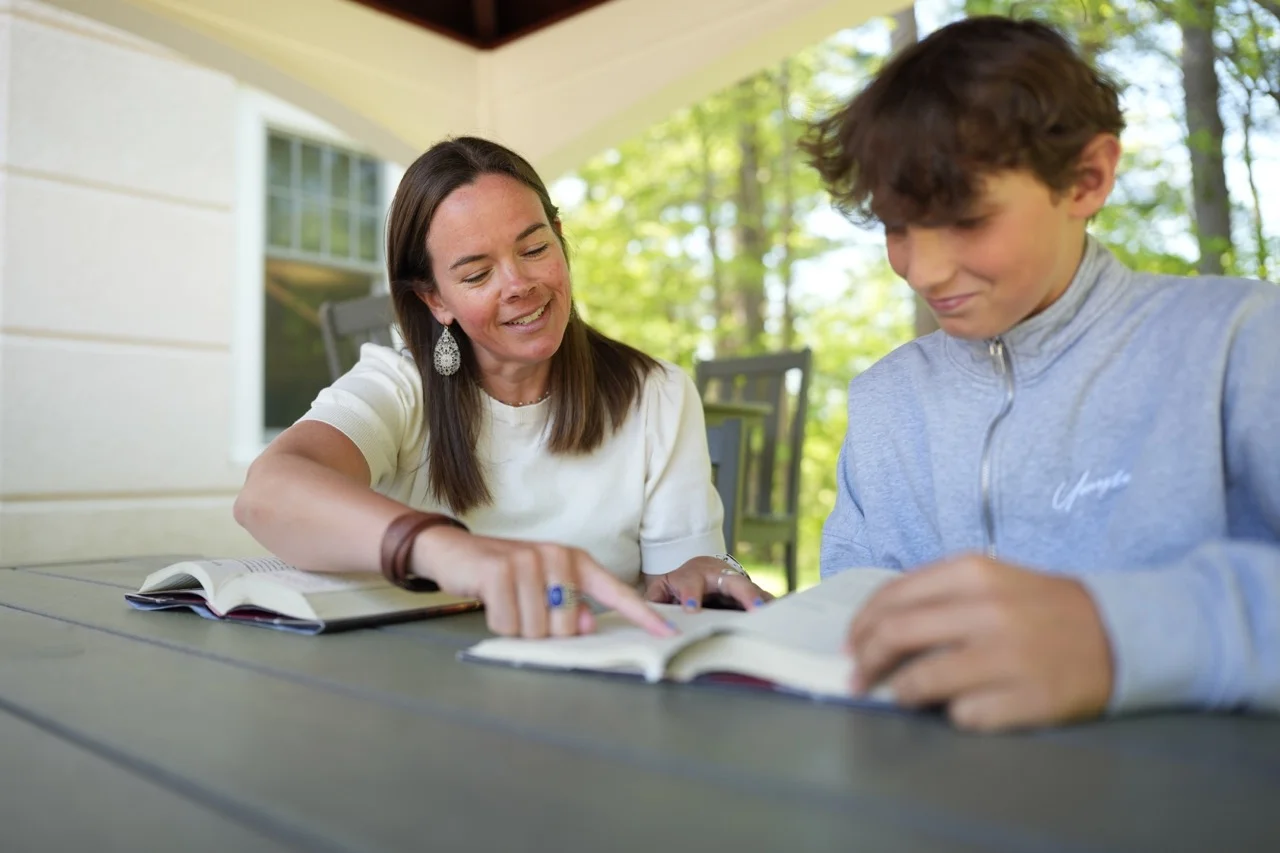
In a literacy tutorial, students use hands-on tools to make sounds and words easier to understand. Felt squares and blocks help them map what they hear before they read or spell, improving phonemic awareness. When one sound changes, they adjust their setup to match. Then they practice reading and spelling related words, helping them become more flexible and accurate readers.
More From Landmark's Instagram
Literacy
Ecosystem
Literacy Events
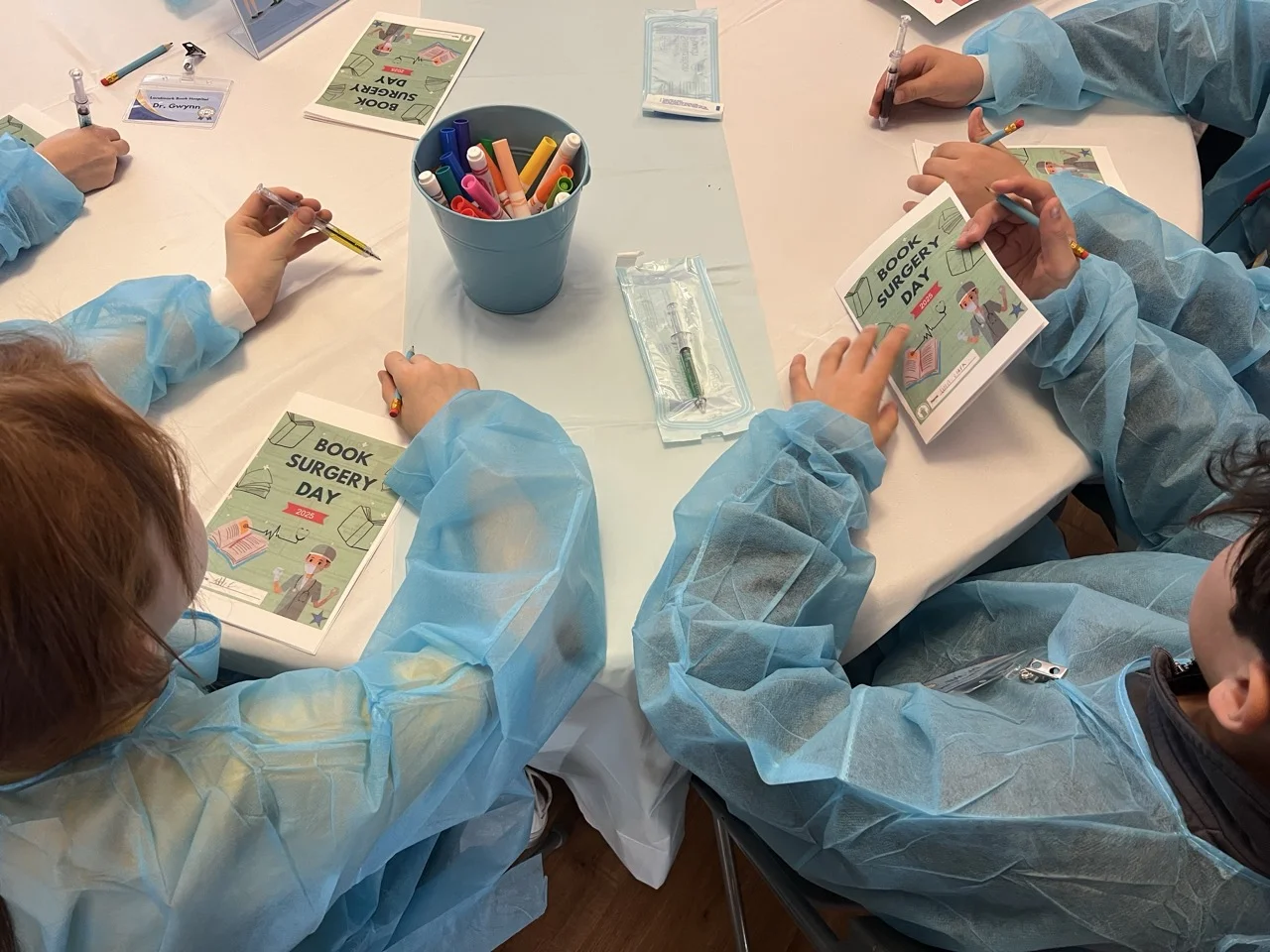
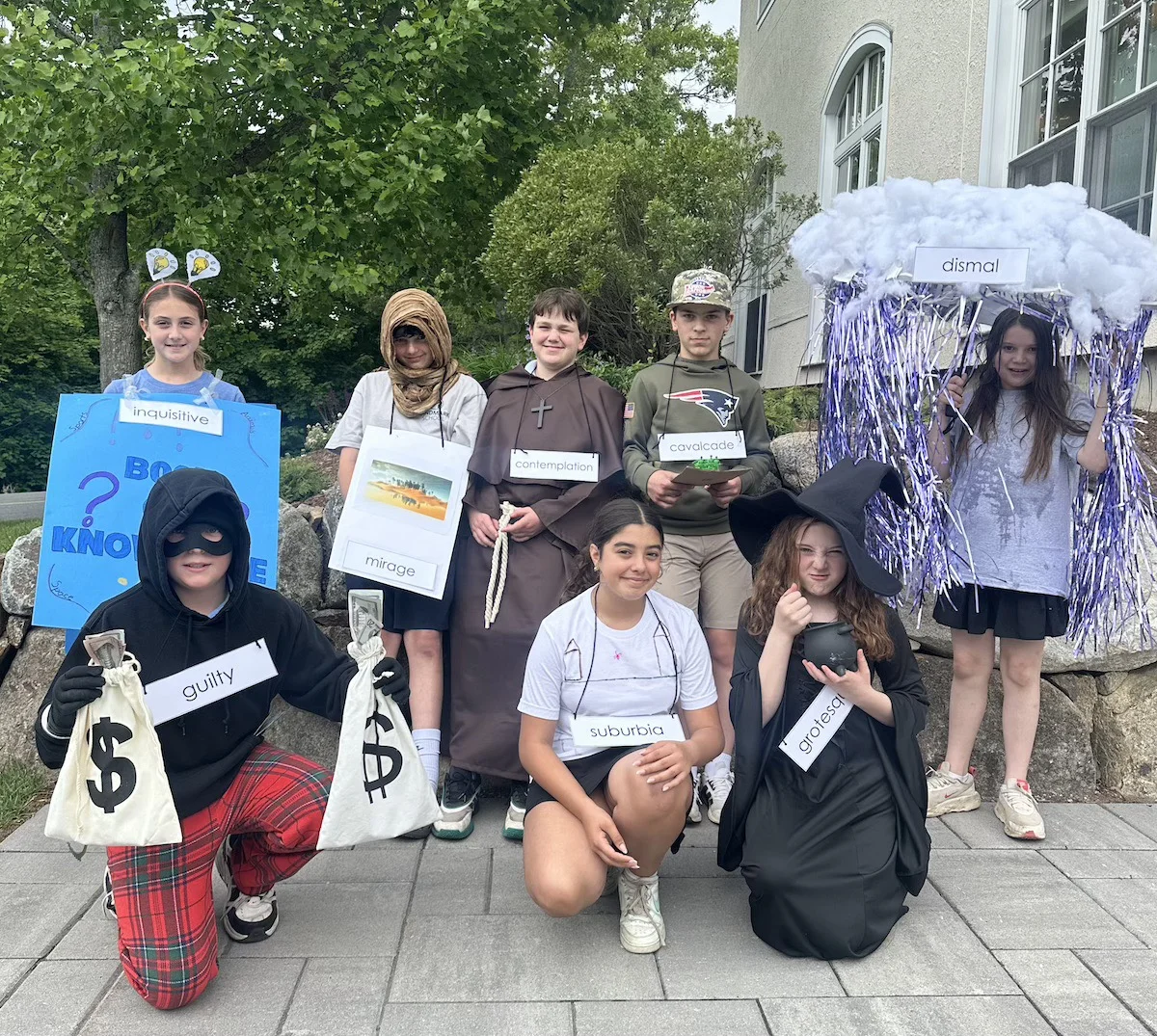
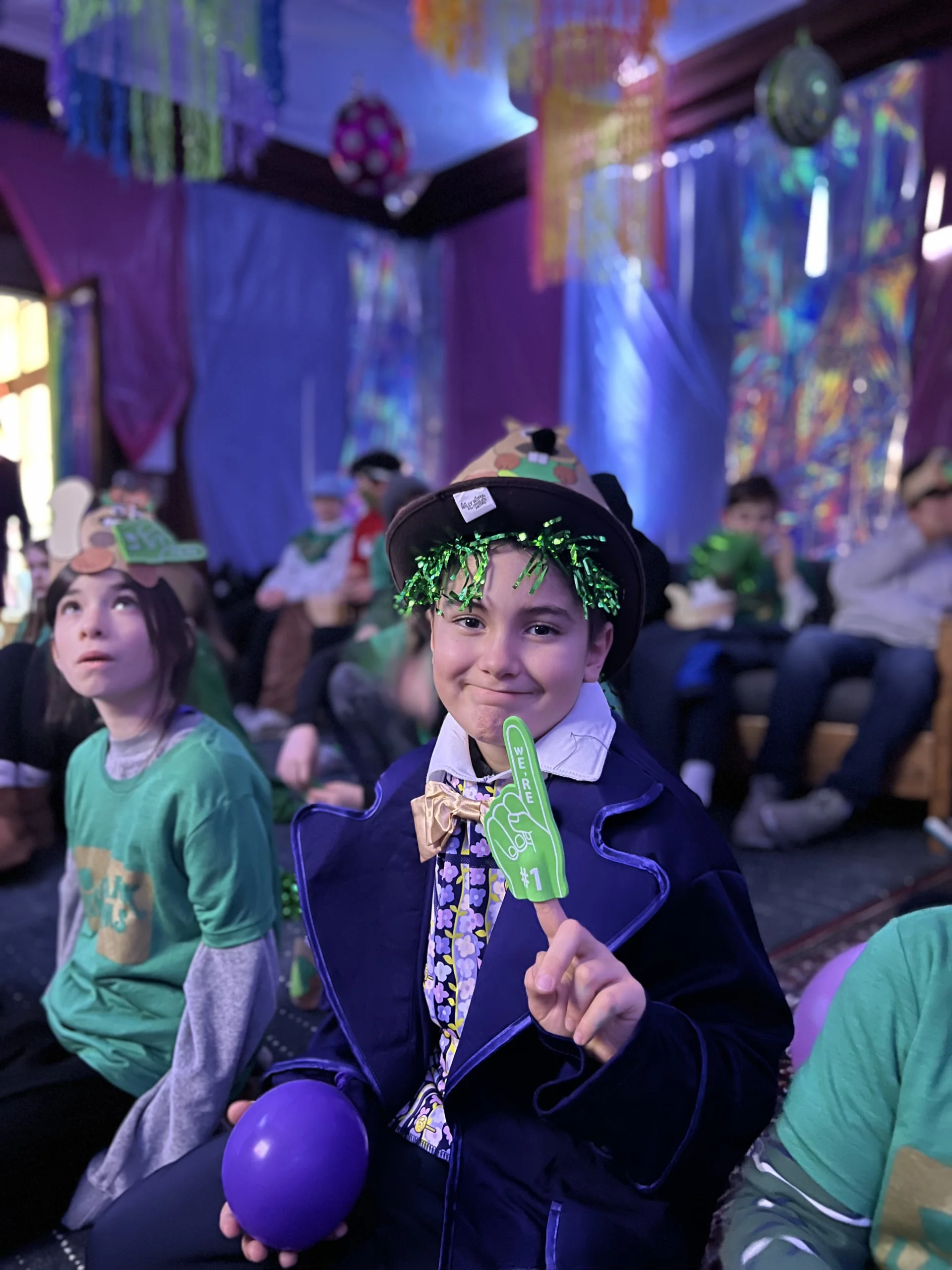
Literacy isn’t just something that happens in class—it’s part of the whole community. Events like Literacy Day, Book Look, the House system, and the Vocabulary Parade give students fun, shared ways to celebrate words and reading. These moments help students see themselves as part of a community that values language and learning.
More From Landmark's Instagram
Literacy
Ecosystem
Movement
EMS Gym
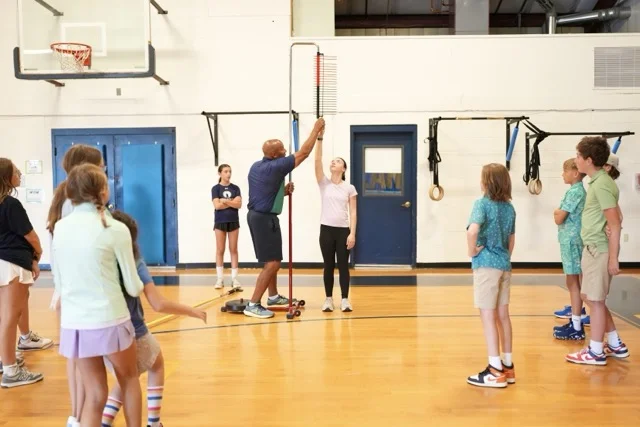
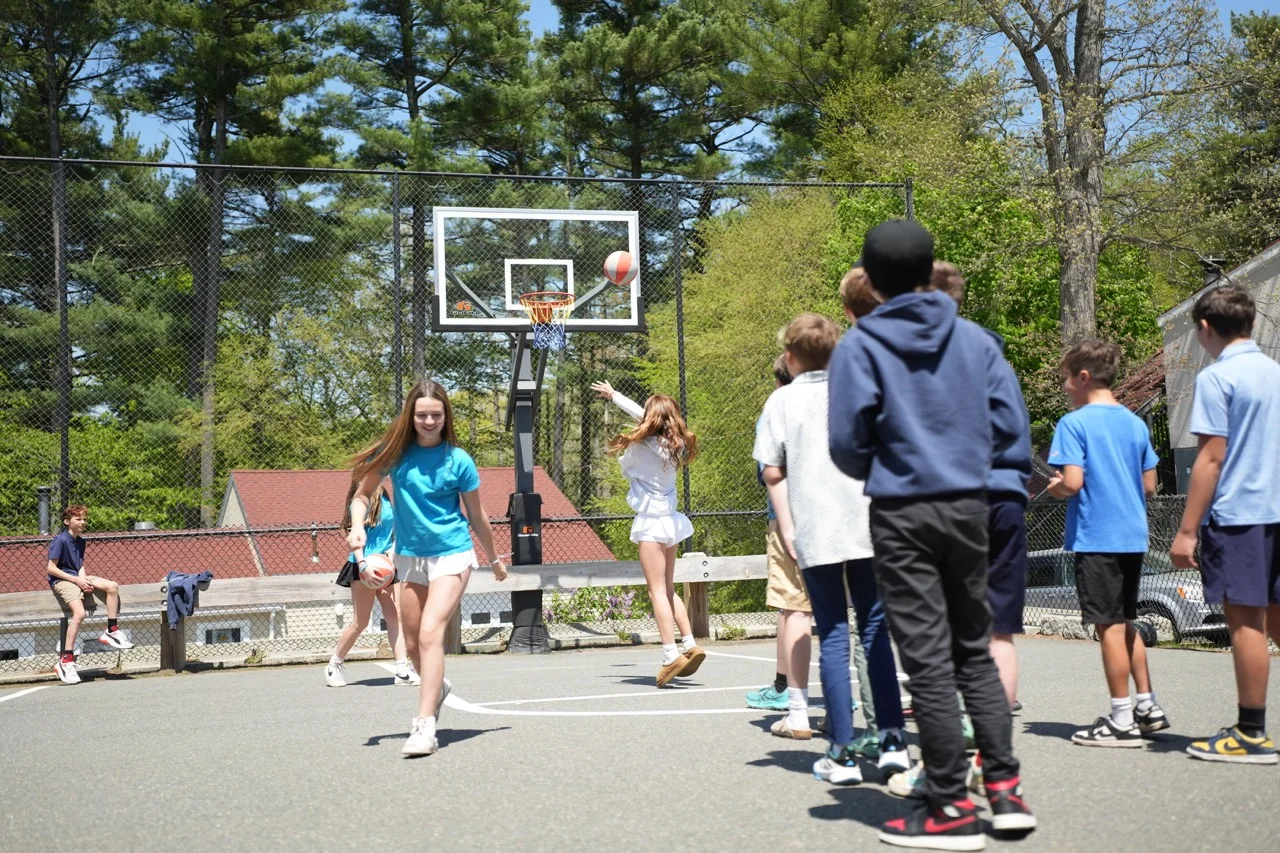
At Landmark, movement is part of learning. Whether students are playing games, building new skills, or working as a team, they're also strengthening focus, attention, and memory—the brain's "ready to learn" muscles. It's one more way we create the conditions for stronger reading, writing, and learning every day.
More From Landmark's Instagram
Literacy
Ecosystem
Explorations
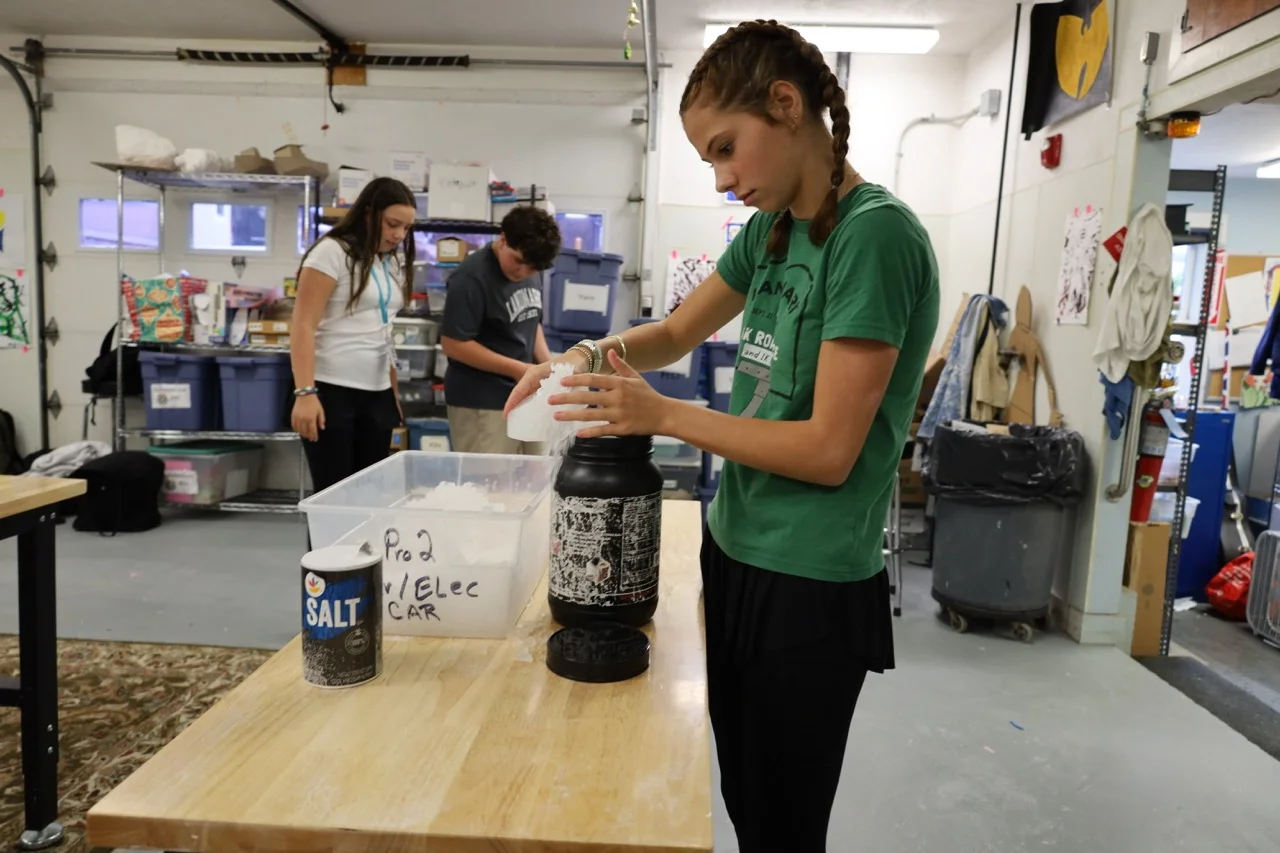
Whether they're creating art, solving design challenges, or learning a new game in Physical Education, students are building literacy skills along the way. Because Landmark's Exploration teachers are also literacy instructors, they don't assume students can simply read directions or decode unfamiliar words. Instead, they model new vocabulary, break directions into manageable steps, and make sure every student has the tools to understand before jumping in. That's how literacy becomes part of every learning experience.
More From Landmark's Instagram
Literacy
Ecosystem
Social Studies
Main Building, Elementary Wing
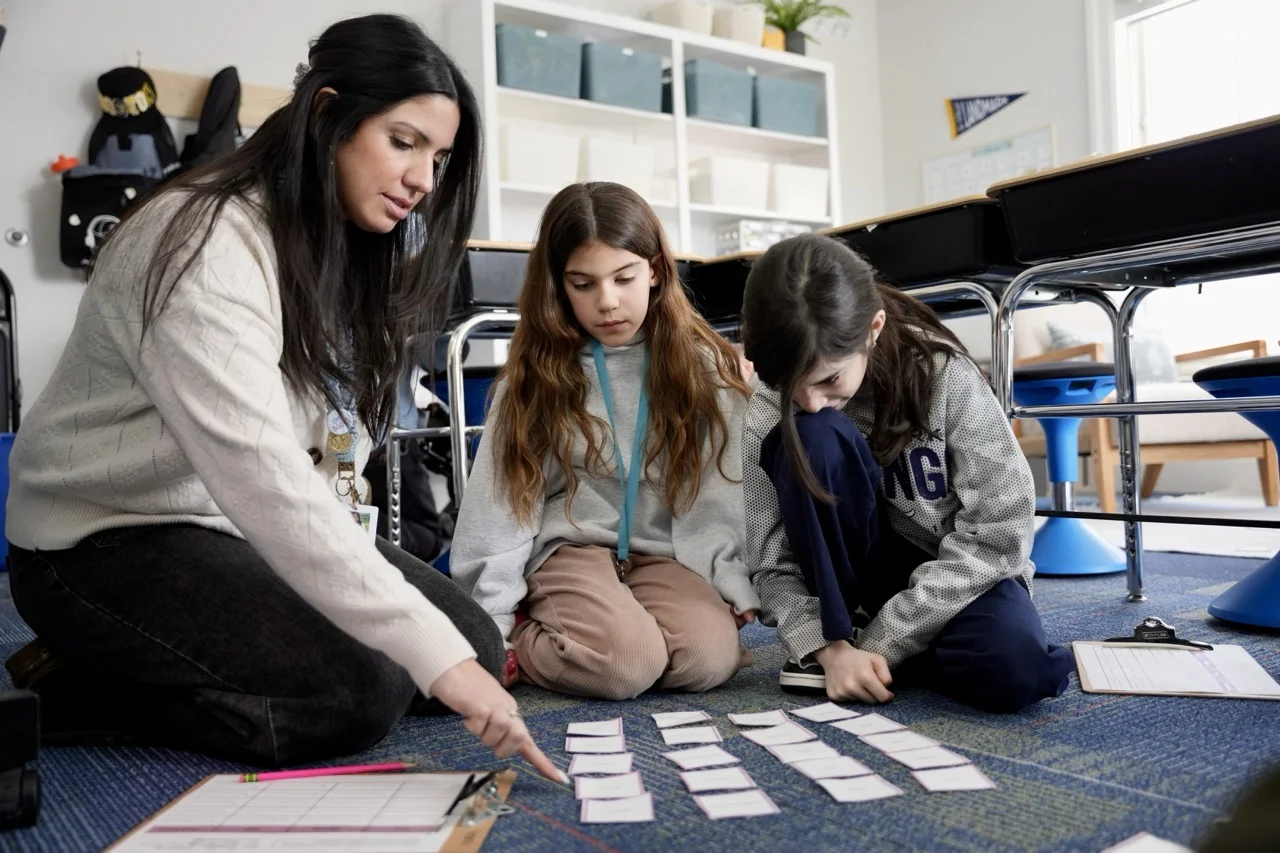
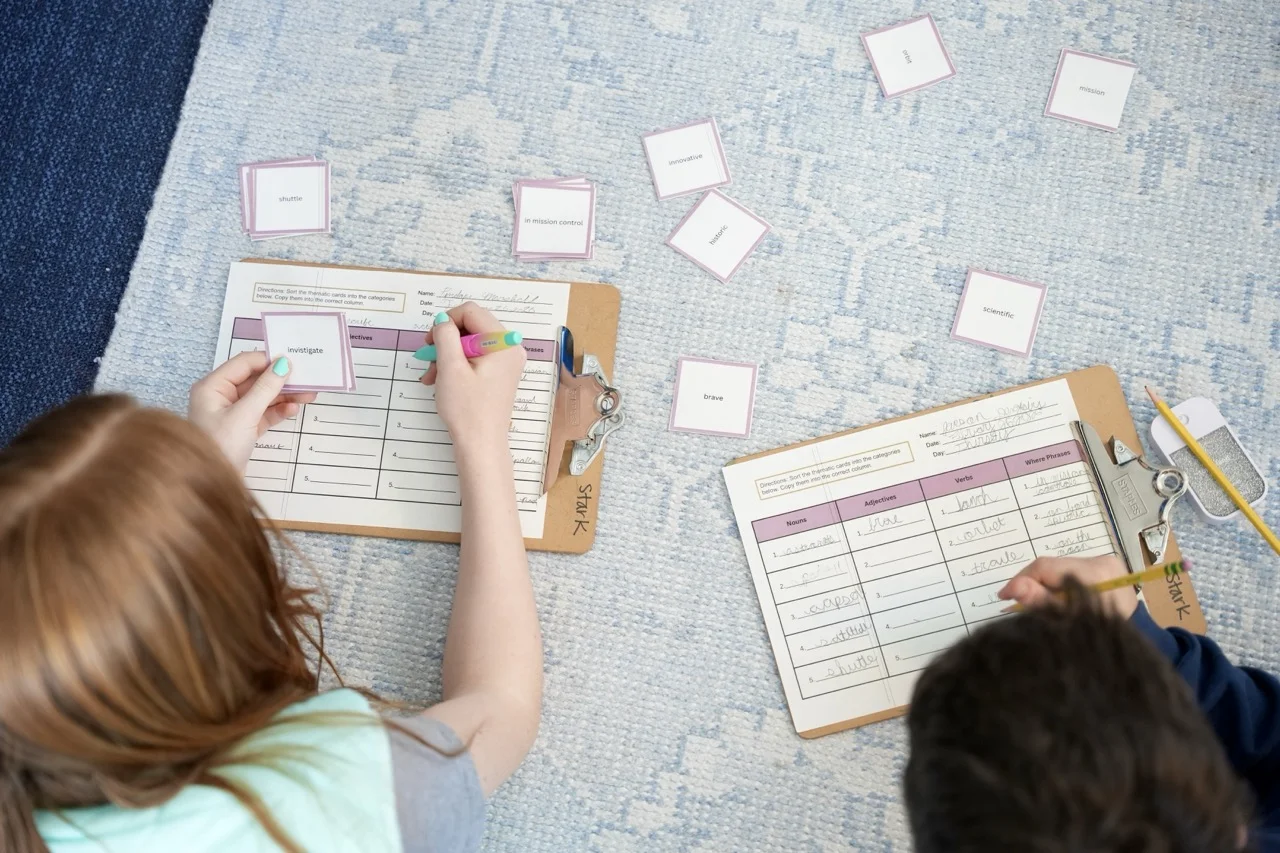
At the start of each unit, students get to know the key vocabulary first. They sort and break down words, look at syllables and parts of speech, and connect them to meaning. This gives them a strong foundation, so when they start reading, the content feels more familiar and easier to understand.
More From Landmark's Instagram
Literacy
Ecosystem
Communications
Rutter Academic Center
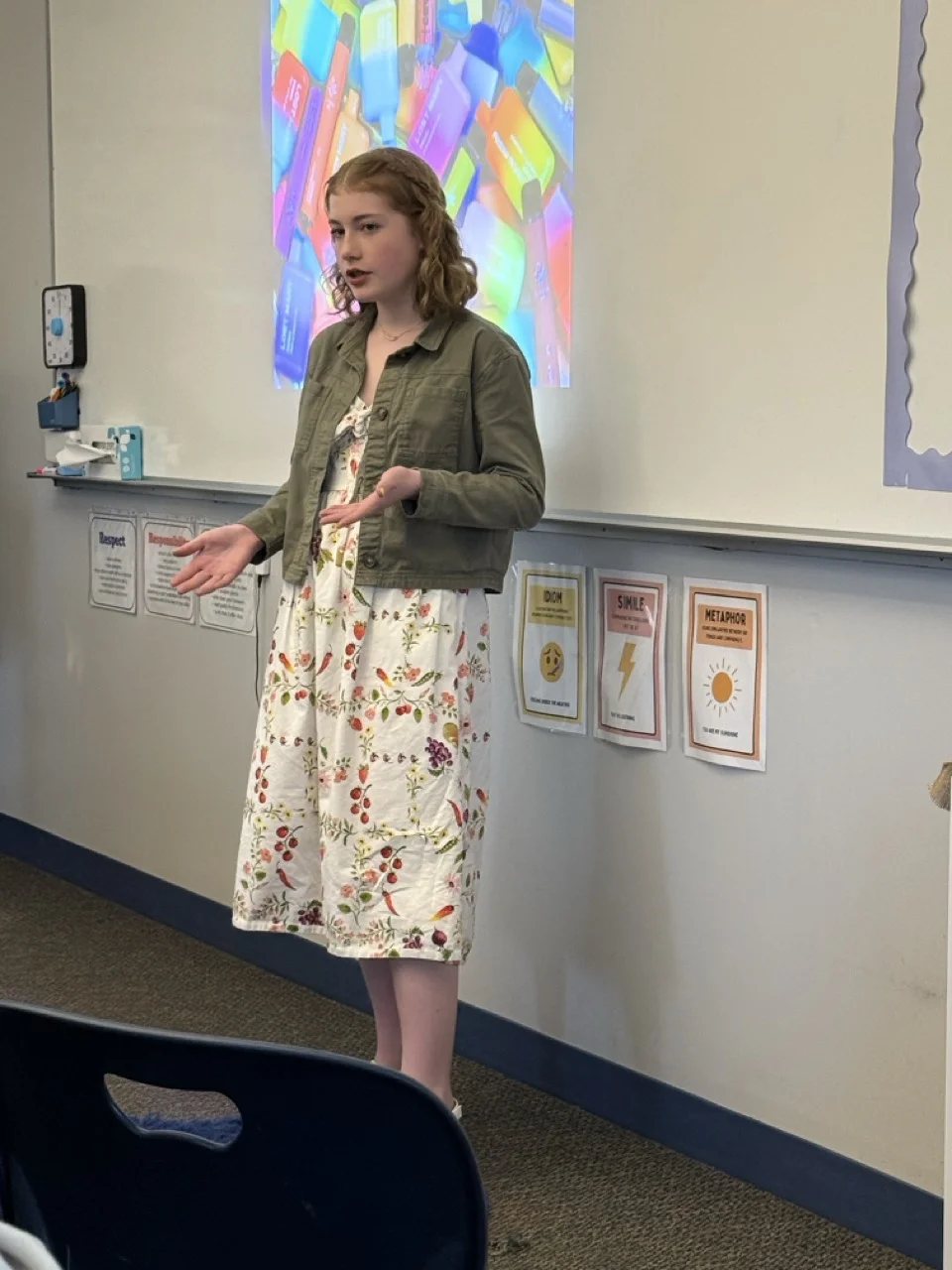
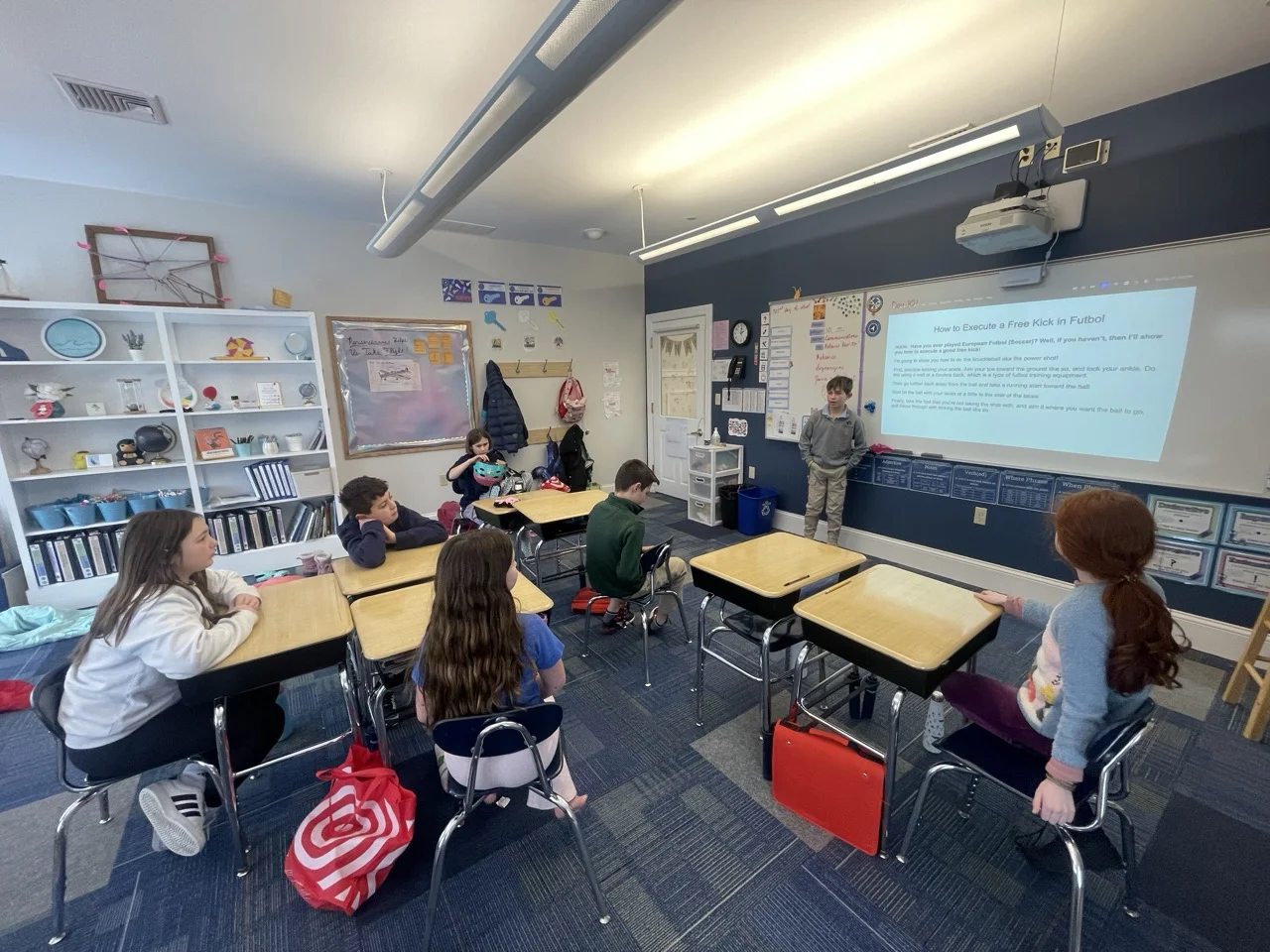
In Communication class, students learn by teaching others. They create “How To” speeches on topics they enjoy, like cooking or rollerblading. Using organizers, they plan their ideas step by step, then build slides to support what they say. After presenting, they get feedback and try again—growing their confidence as speakers, writers, and communicators.
More From Landmark's Instagram
Designed for
Your Future
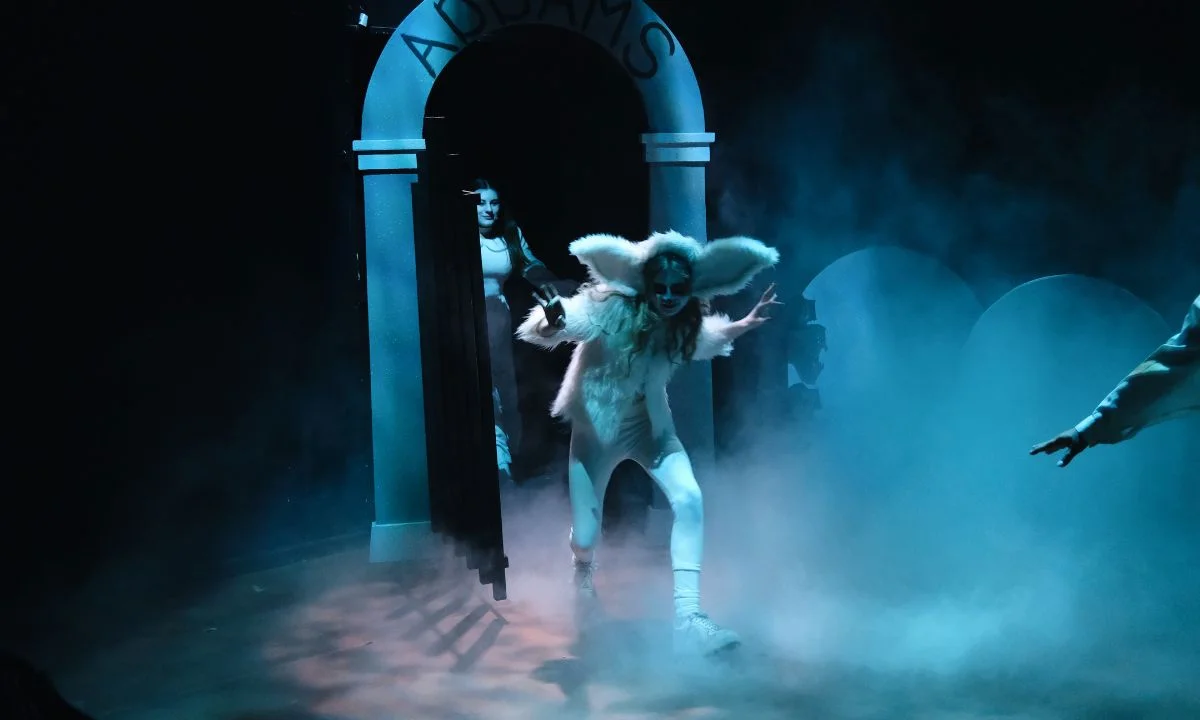
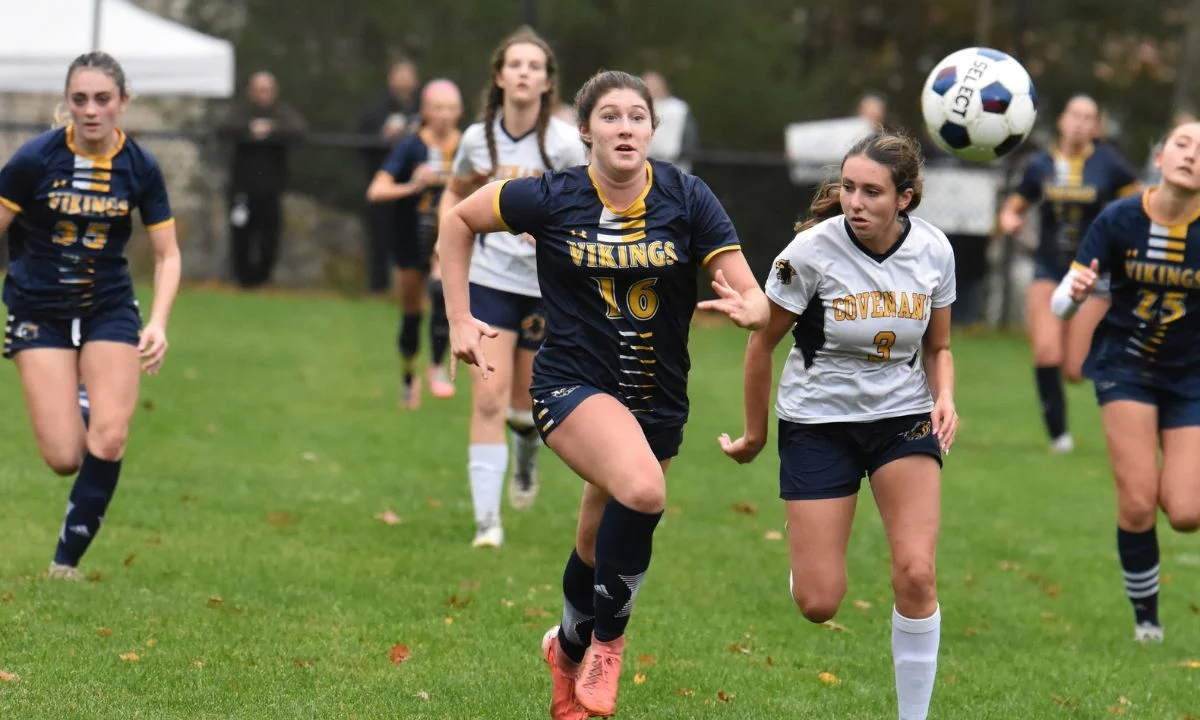
Performing Arts
Confidence grows on stage as students learn to express, collaborate, and shine.
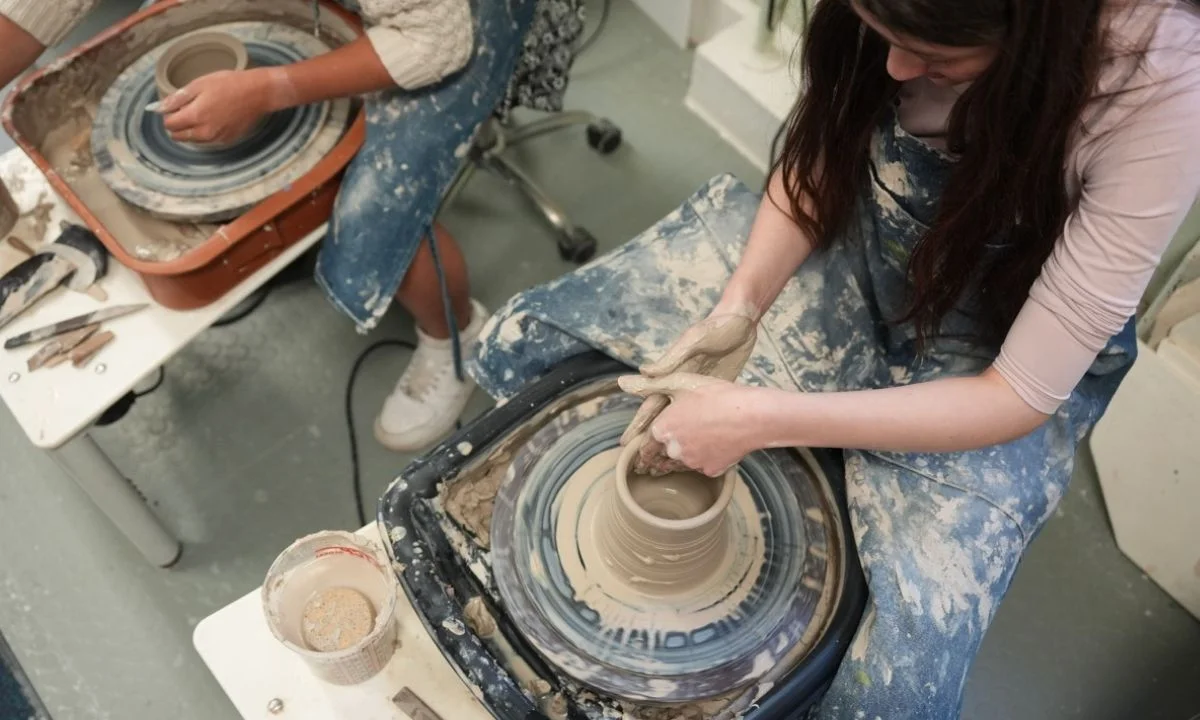
Visual Arts
Artists explore color, texture, and meaning — and discover new ways to express themselves.
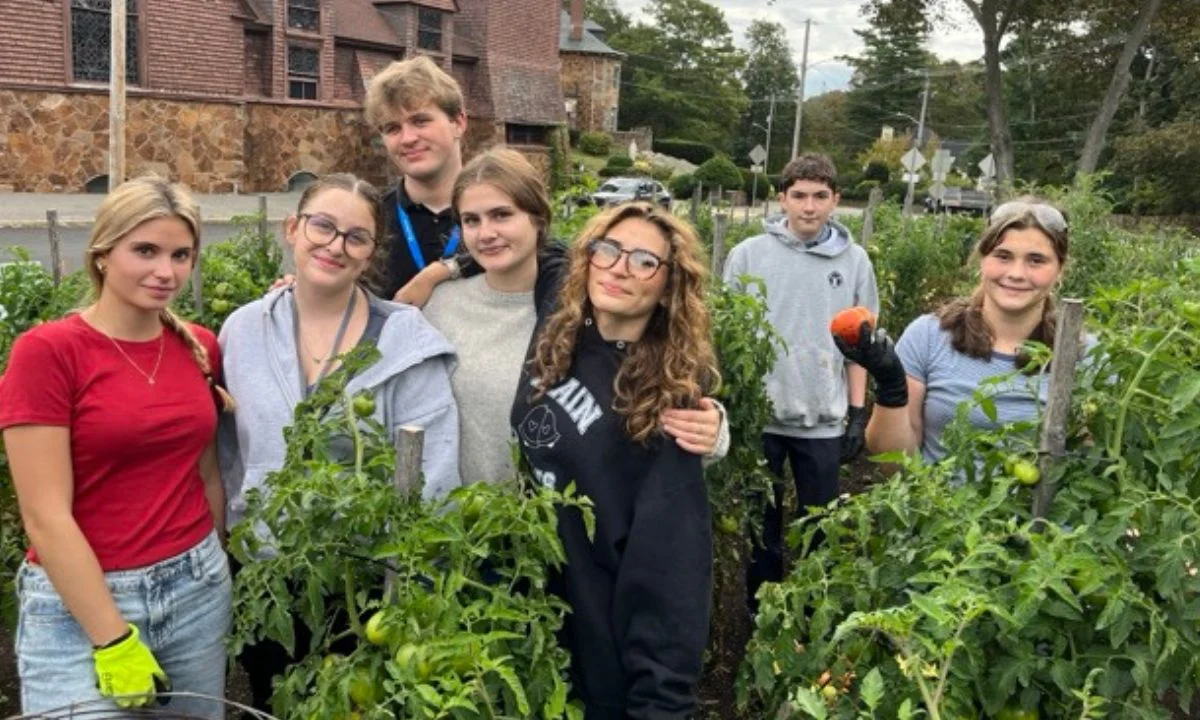
Community Service
Students give back through service projects that strengthen empathy and leadership.
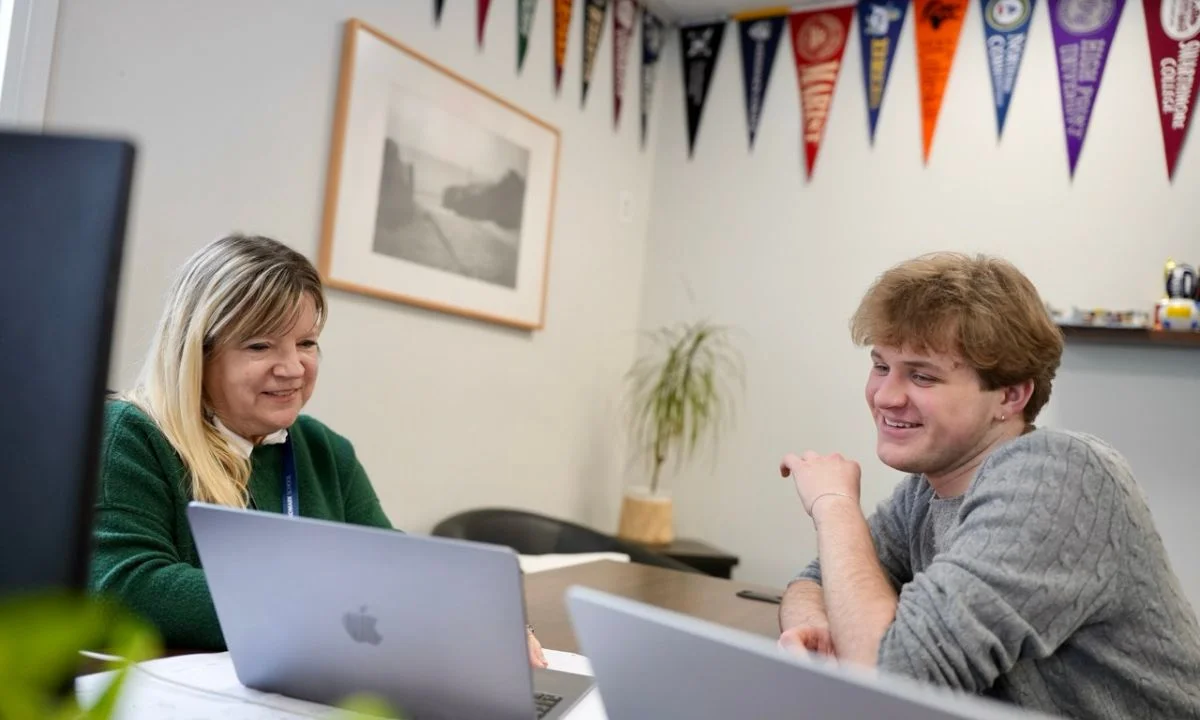
College and Career
College and career planning begins early — with guidance every step of the way.
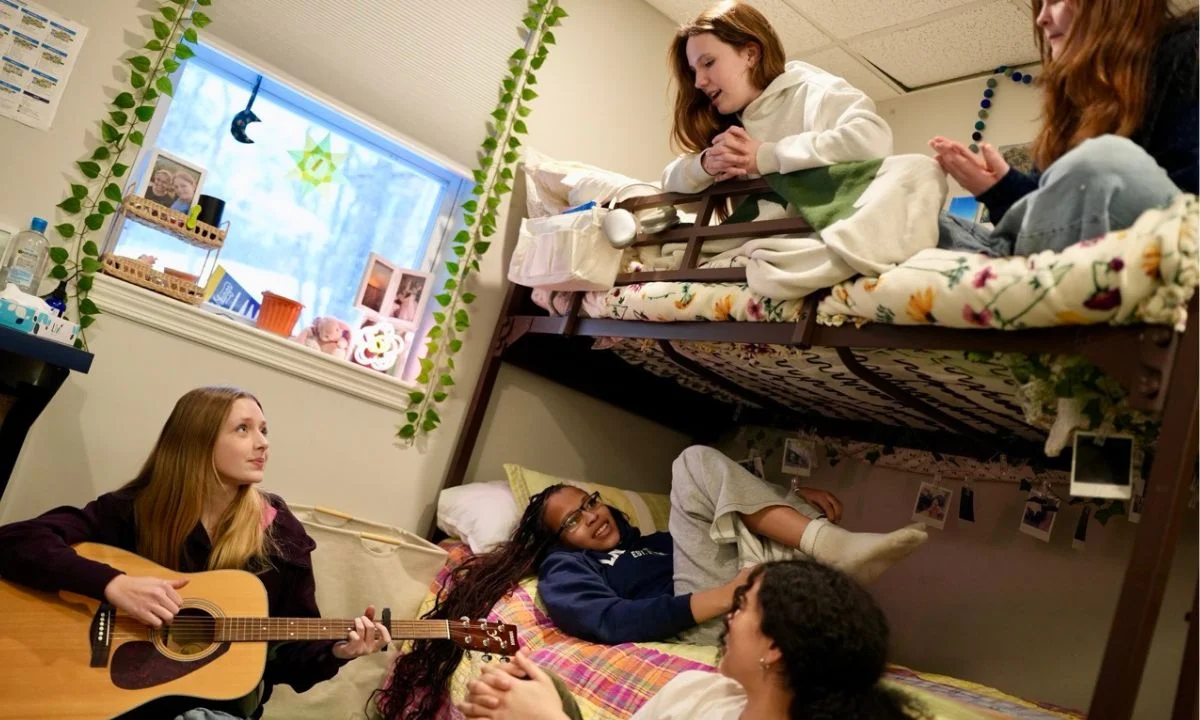
Boarding
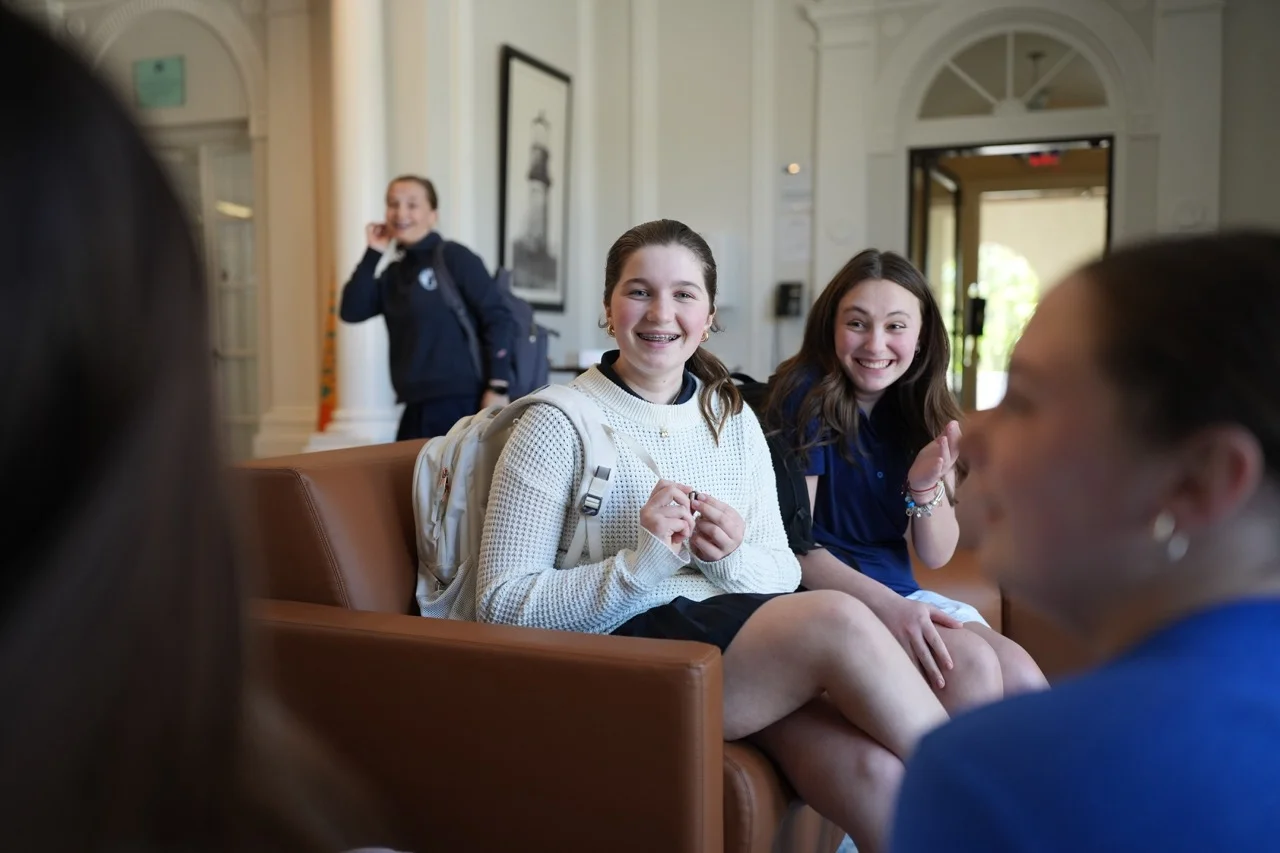
Boarding life builds confidence, self-reliance, and lifelong friendships.
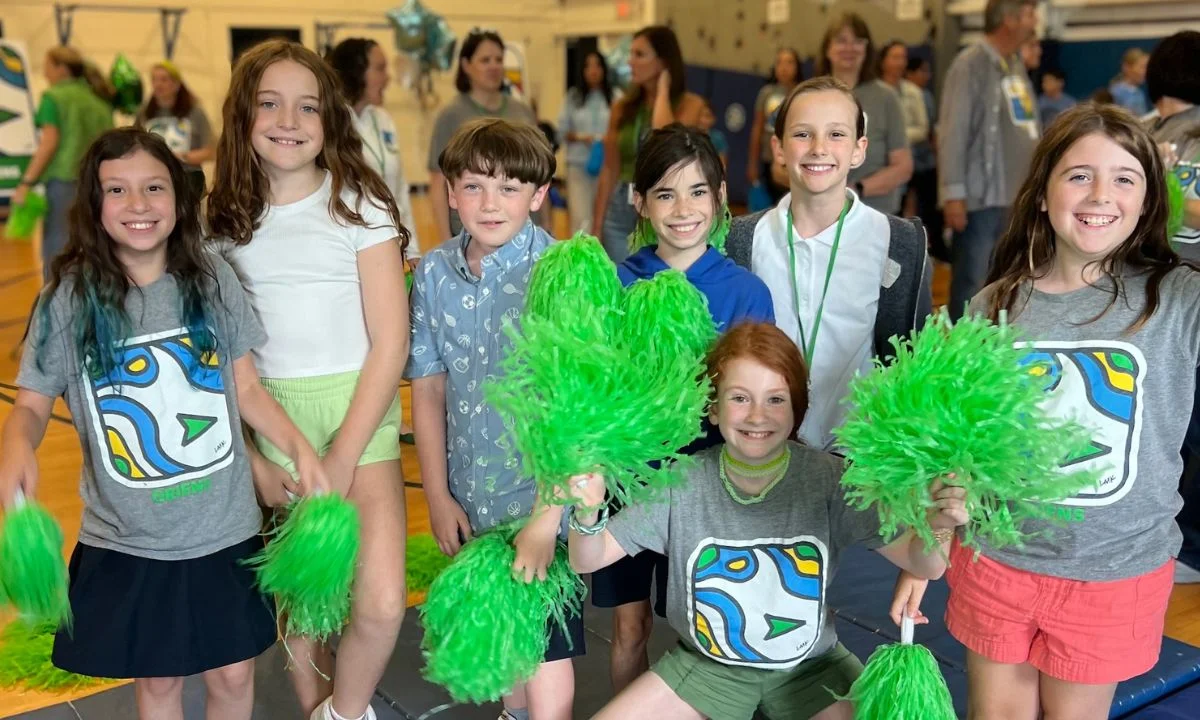
Houses System
Through our Elementary and Middle School House System, students find belonging and take on meaningful leadership roles while they build community.
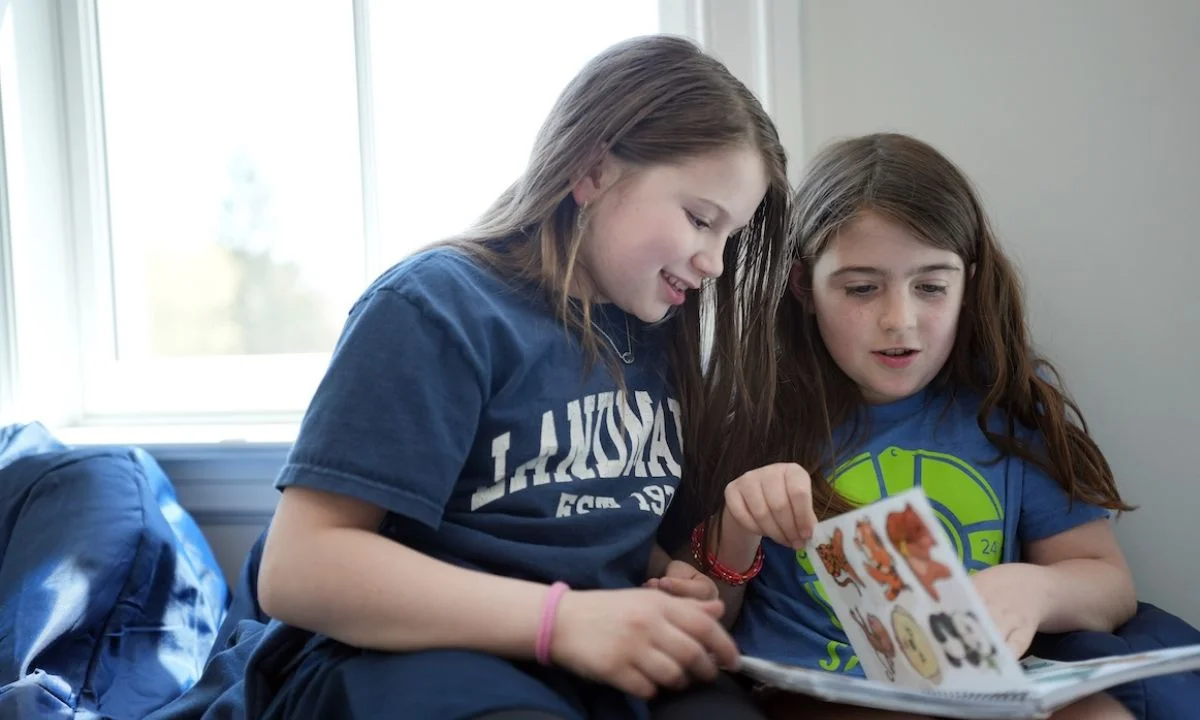
Reading
Our literacy-first approach turns reading into a source of strength and pride.
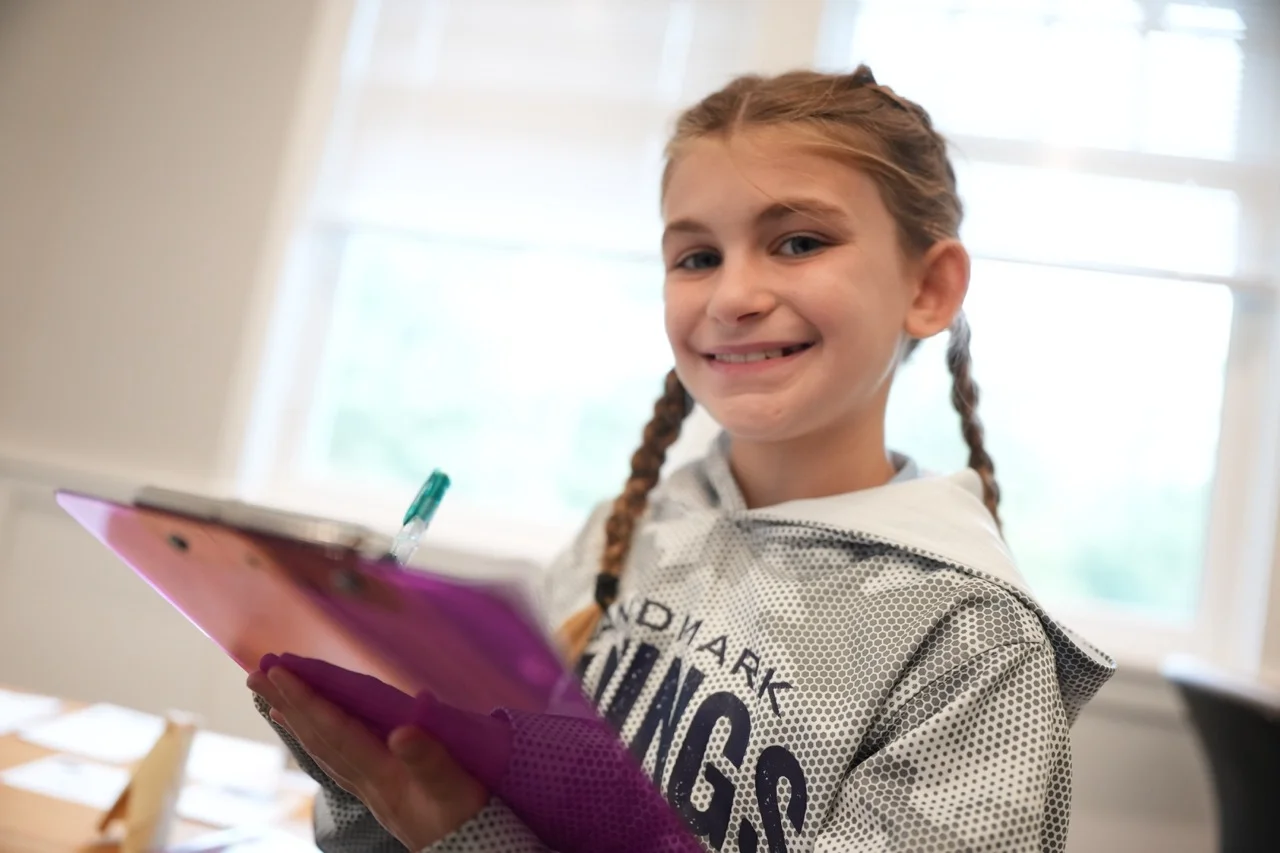
Designed for
Every Season
Summer
at Landmark
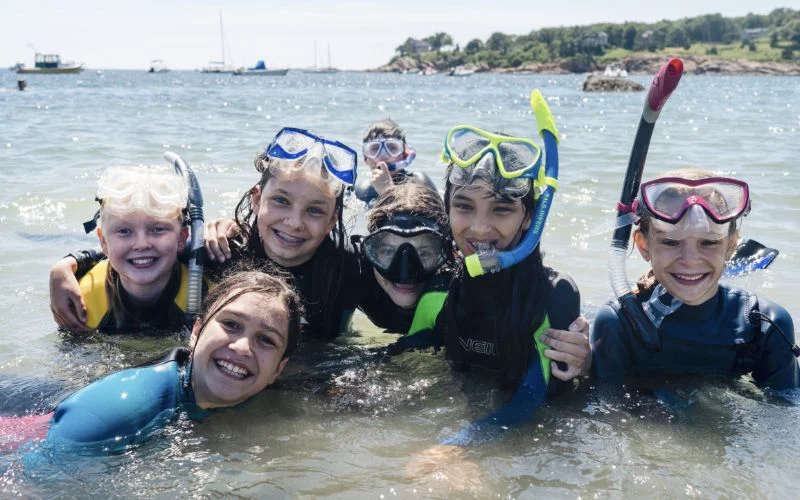
Get back on track with the Landmark Summer Programs. Students say that the individualized approach helps them gain the skills and confidence to succeed inside and outside of the classroom.





