Current Families
 Inquire
 Give
Give

Our Home By the Sea
November 3rd, 2025


What Summer Camp Teaches Us About Boarding School
I was 40 years old when I realized there were two kinds of people: those, like me, who spent their adolescent summers wasting away on Saved by the Bell and Nintendo, and those who were fashioned in the cultish campfire flames of summer camp.
Building Bonds
I remain in awe when some of my most accomplished friends burst into song, complete with choreographed clapping and knee slapping, whenever they reunite with a member of their “found-family” from Bunk 13. Spotting each other unexpectedly in an airport terminal, these public sing-alongs are not celebrations; they are expressions of a core identity. How could I have so grossly underestimated canoes, crafts, and color wars?
It’s clear that summer camp is more than memories. The late-night whispers of the one-armed bandit still send shivers down their spines, and the thought of launching into the lake from the rope swing stirs something wild in them.
Space to Authentically Discover
Here’s what I’ve come to understand: the magic wasn’t in the programming—it was in the agency. It wasn’t the learning that transformed them; it was the doing. Camp didn’t teach them new skills as much as it gave them the space to discover what they were capable of when trusted to navigate novel situations, forge authentic relationships, and put their family’s values to work in a context that both supported and challenged them.
When children returned from camp, their parents didn’t find a new person but a more distilled version of who they always were—more confident, more capable, more themselves.
Living, Learning, Thriving
This is the same alchemy that happens within the walls of a custom-built boarding program. Like those legendary summer camps, living on campus isn’t about what we do to students, but what we empower them to do for themselves. These students don’t just attend classes; they build communities, solve problems, and discover reservoirs of resilience they never knew they had.
In the company of housemates who understand what it means to learn differently, they find their version of Bunk 13. They create traditions, build relationships, and form bonds that will have them singing—metaphorically or literally—years from now when they unexpectedly cross paths in some distant airport terminal.
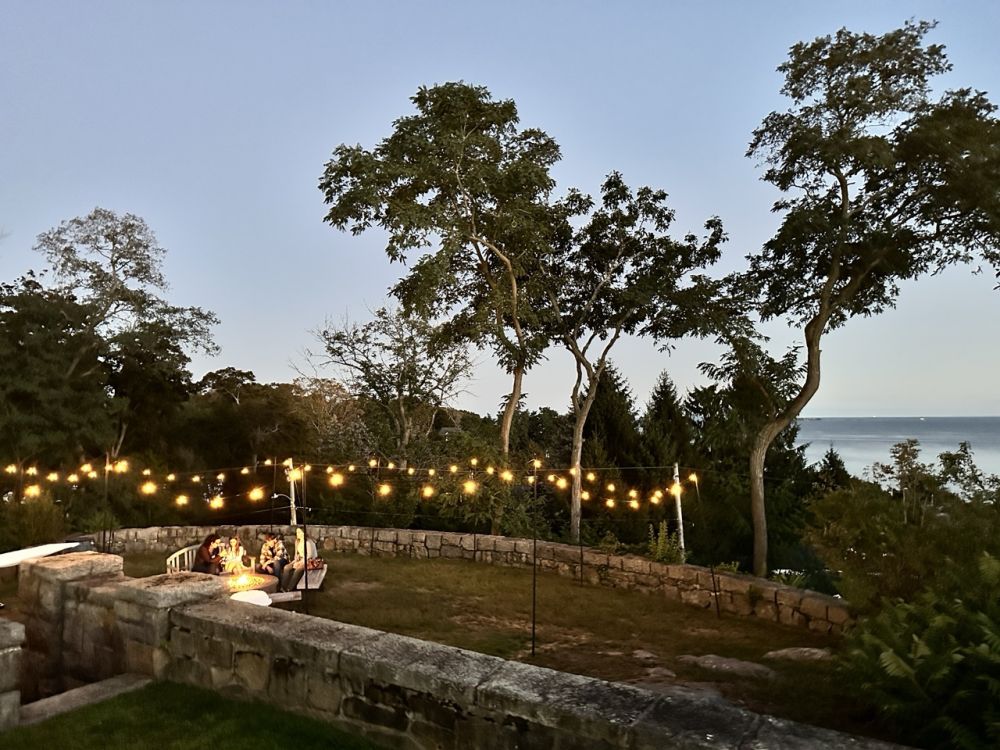
This is our home by the sea: a place where students don’t just learn to read and write, but to also trust in their capacity to navigate whatever waters lie ahead.
About the Author
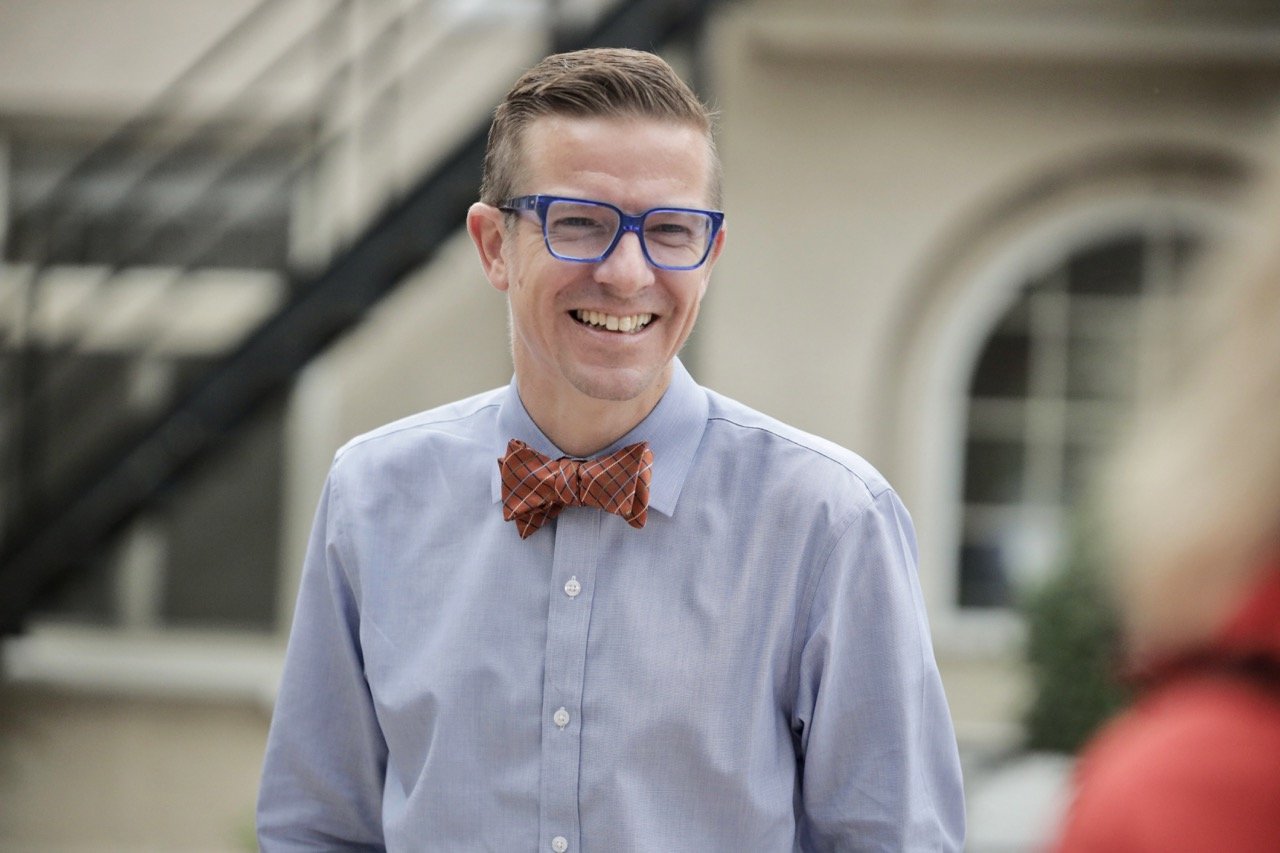
Josh Clark is the current head of Landmark School, located in Beverly, Massachusetts. A committed humanitarian, he champions the cause of neurodiversity in education and promotes the science of reading as a vehicle for education reform and social good. Past Board Chair of International Dyslexia Association, currently serves on the National Association of Independent Schools (NAIS), and is an Expert Contributor to the global nonprofits Made By Dyslexia and Microsoft Education. He also co-founded the Association of LD Schools (ALDS) and serves on its board. Josh has presented about the importance of recognizing and supporting students with dyslexia and other language-based learning disabilities (LBLD) all over the world. Josh is a lifelong educator. He began his career in education at Lausanne Collegiate School, an International Baccalaureate World School in Memphis, Tennessee, where he served as assistant head of the Middle School and a middle and high school English teacher for seven years. Prior to his current position at Landmark School, Josh served as the head of two different schools that serve students with dyslexia: the Bodine School in Memphis, Tennessee and The Schenck School in Atlanta, Georgia.